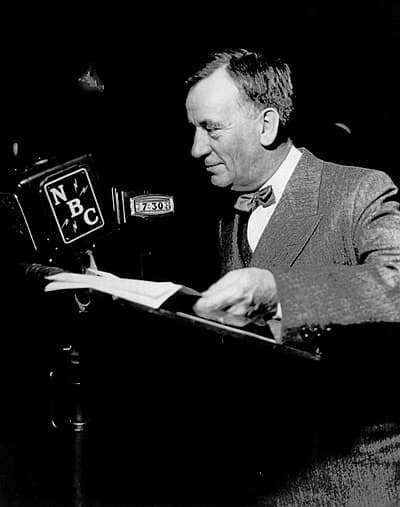
Edgar A. Guest
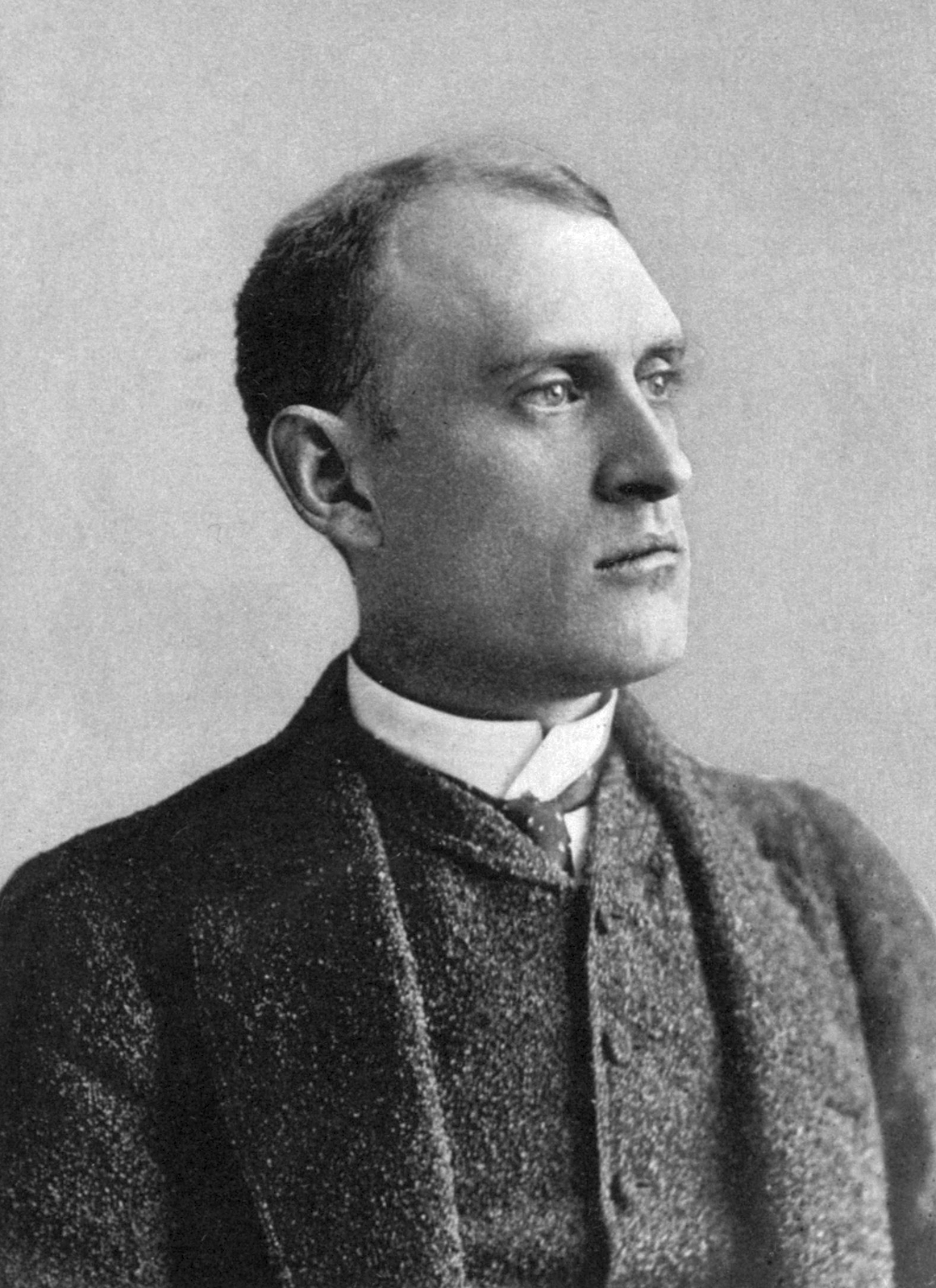
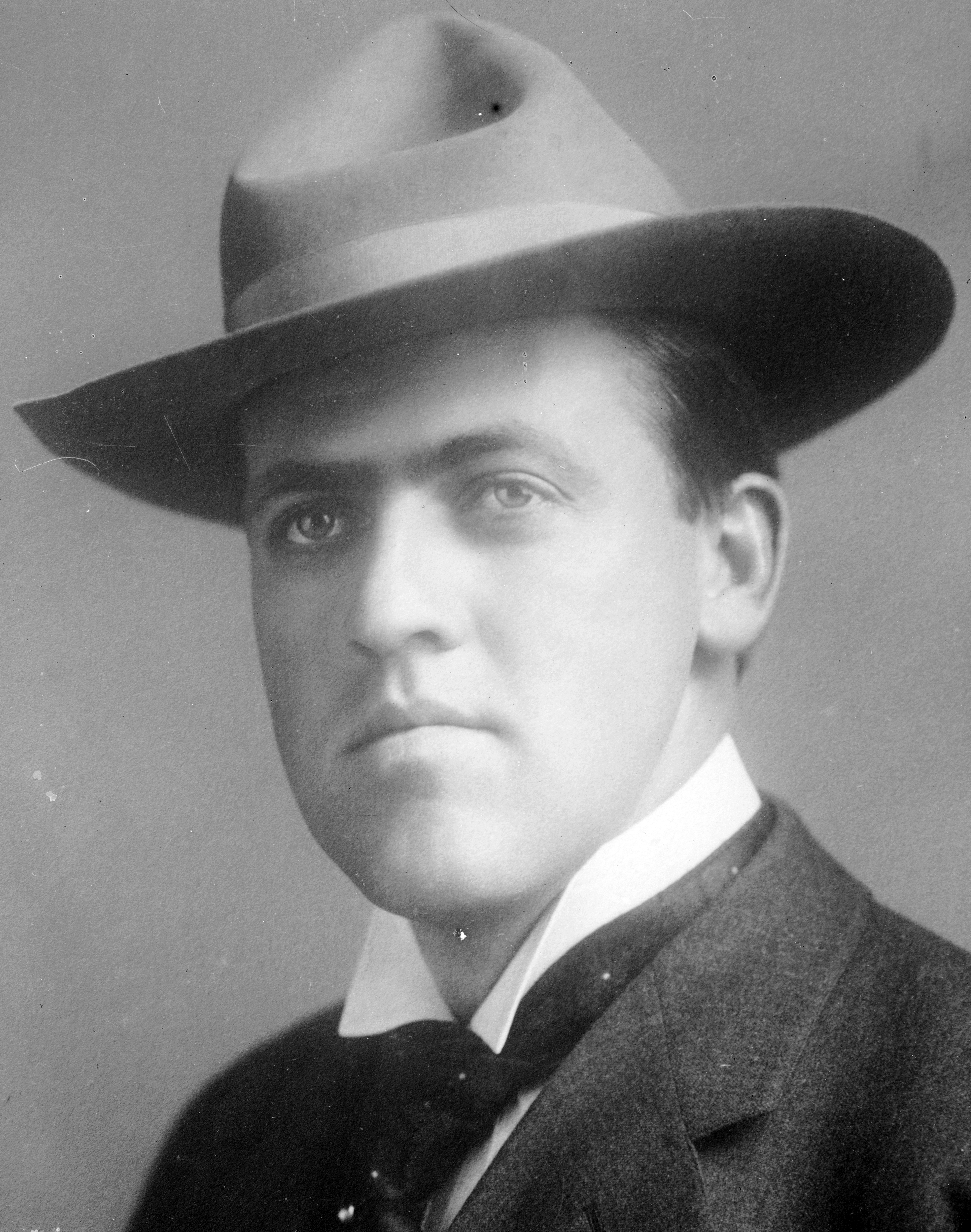
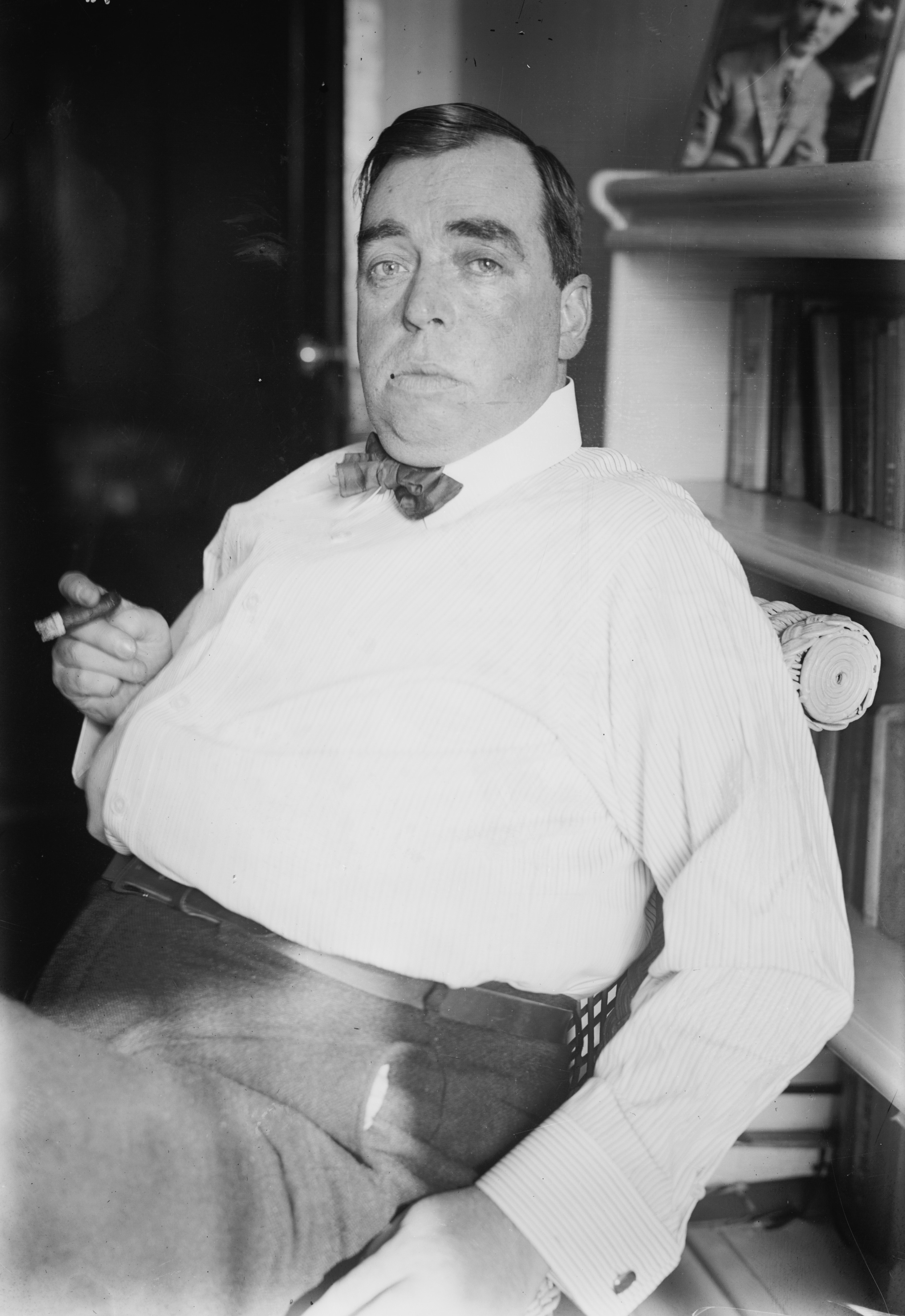
Edgar A. Guest was a prolific American poet and writer, celebrated for his accessible and optimistic verse that resonated with the everyday experiences of ordinary people. Born in Birmingham, England, he emigrated to the United States with his family at a young age. Guest began his career as a newspaper columnist in Detroit, where he gained popularity for his uplifting poems that often reflected themes of home, family, and perseverance. His work was characterized by its simple language and heartfelt sentiment, making poetry approachable for a wide audience. Among his notable works are "The Path to Home," "Just Folks," and "A Heap O' Livin,'" each showcasing his belief in the power of positivity and the beauty of everyday life. Guest's poetry often served as a source of comfort and inspiration during challenging times, particularly during the Great Depression and World War II. His ability to capture the essence of American life earned him the title of the "People's Poet," and he became a beloved figure in American literature. Throughout his career, he published numerous collections and contributed to various periodicals, leaving a lasting legacy that continues to influence poets and writers today. Guest's work is notable not only for its popularity but also for its role in shaping the public's perception of poetry as a medium for expressing common sentiments. His encouragement of resilience and hope in the face of adversity remains relevant, solidifying his place in the canon of American poetry.
Famous Quotes
View all 18 quotes“When things go wrong, as they sometimes will,When the road you’re trudging seems all uphill,When the funds are low and the debts are high,And you want to smile, but you have to sigh,When care is pressing you down a bit,Rest, if you must, but don’t you quit.Life is queer with its twists and turns,As every one of us sometimes learns,And many a failure turns about,When he might have won had he stuck it out;Don’t give up though the pace seems slow-You may succeed with another blow.Often the goal is nearer than,It seems to a faint and faltering man,Often the struggler has given up,When he might have captured the victor’s cup,And he learned too late when the night slipped down,How close he was to the golden crown.Success is failure turned inside out-The silver tint of the clouds of doubt,And you never can tell how close you are,It may be near when it seems so far,So stick to the fight when you’re hardest hit-It’s when things seem worst that you must not quit””
“I watched them tearing a building down,A gang of men in a busy town.With a ho-heave-ho and a lusty yell, They swung a beam, and the side wall fell.I asked the foreman: "Are these skilled--And the men you'd hire if you had to build?"He gave me a laugh and said: "No, indeed!Just common labor is all I need.I can wreck in a day or twoWhat builders have taken a year to do."And I thought to myself as I went my way,Which of these roles have I tried to play?Am I a builder who works with careMeasuring life by a rule and square?Am I shaping my deeds to a well made Plan,Patiently doing the best I can?Or am I a wrecker, who walks the townContent with the labor of tearing down?””
“Somebody said that it couldn't be doneBut he with a chuckle repliedThat "maybe it couldn't," but he would be oneWho wouldn't say so till he tried.So he buckled right in with the trace of a grinOn his face. If he worried he hid it.He started to sing as he tackled the thingThat couldn't be done, and he did it.””
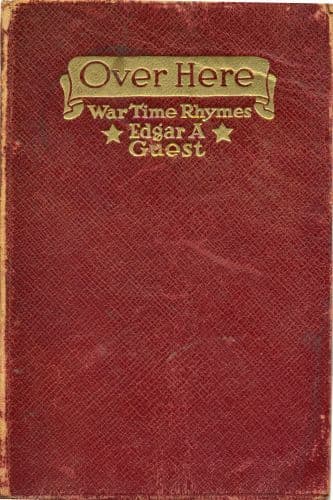
Books from the author





Link to this page
Add a free, dofollow link to Lex on your blog, forum, syllabus, or reading list.

<a href="https://lex-books.com/author/edgar-a-guest"><img src="https://lex-books.com/badges/read-on-lex.svg" alt="Edgar A. Guest on Lex" width="160" height="40"></a>[](https://lex-books.com/author/edgar-a-guest)[url=https://lex-books.com/author/edgar-a-guest][img]https://lex-books.com/badges/read-on-lex.svg[/img][/url]Edgar A. Guest on Lex: https://lex-books.com/author/edgar-a-guest