
Guillaume Apollinaire
Guillaume Apollinaire was a pioneering French poet, playwright, and art critic of Polish descent, recognized as a leading figure in early 20th-century literature. He emerged as a significant voice in the avant-garde movement, coining terms such as 'Cubism' and 'Surrealism' to describe groundbreaking artistic trends. His innovative approach to poetry included writing without punctuation, reflecting his desire to break free from traditional forms and embrace modernity. Apollinaire's work was heavily influenced by Symbolism, yet he transcended these roots to create a unique style that emphasized imagination and intuition as the core of artistic expression. Among his notable works is the play 'The Breasts of Tiresias,' one of the earliest examples of Surrealist literature, which later inspired an opera by Francis Poulenc. Apollinaire's contributions to poetry and art criticism left a lasting impact, influencing a generation of writers and artists, including the Surrealist group led by André Breton. His legacy is marked by a commitment to innovation and a profound exploration of the human experience, making him a key figure in the literary revolution of the early 20th century.
Famous Quotes
View all 3 quotes“Now and then it's good to pause in our pursuit of happiness and just be happy.”
“How slow life is, how violent hope is.”
“Come to the edge," he said. "We can't, we're afraid!" they responded. "Come to the edge," he said. "We can't, We will fall!" they responded. "Come to the edge," he said. And so they came. And he pushed them. And they flew.”
Books from the author

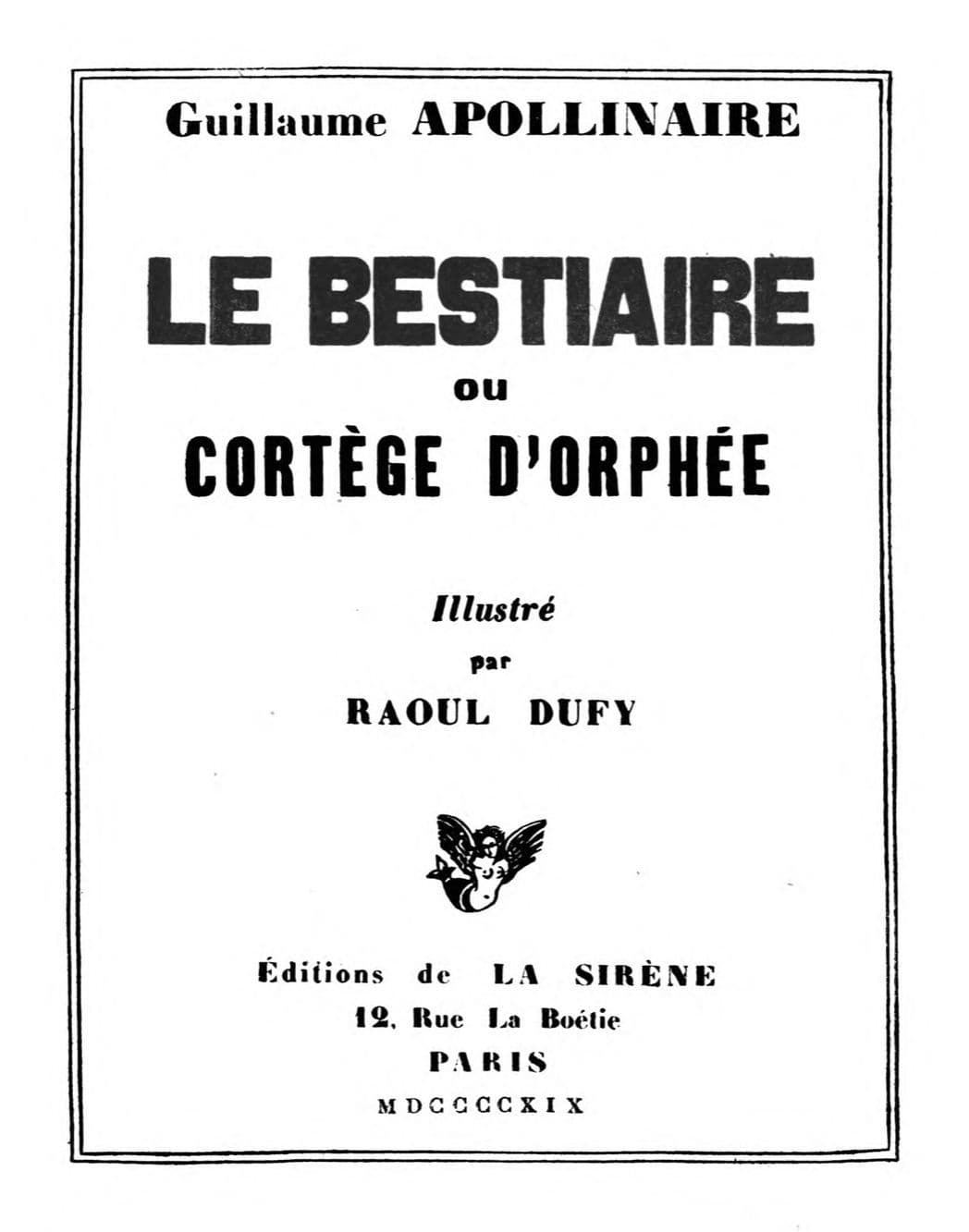

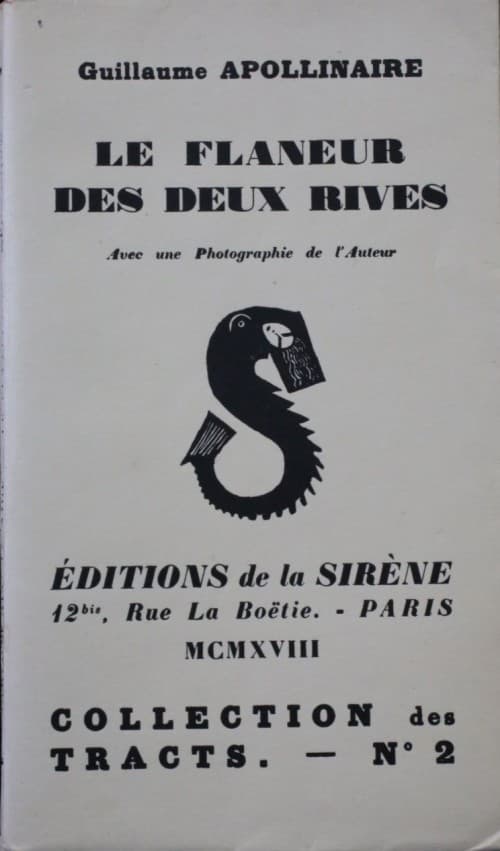











Link to this page
Add a free, dofollow link to Lex on your blog, forum, syllabus, or reading list.

<a href="https://lex-books.com/author/guillaume-apollinaire"><img src="https://lex-books.com/badges/read-on-lex.svg" alt="Guillaume Apollinaire on Lex" width="160" height="40"></a>[](https://lex-books.com/author/guillaume-apollinaire)[url=https://lex-books.com/author/guillaume-apollinaire][img]https://lex-books.com/badges/read-on-lex.svg[/img][/url]Guillaume Apollinaire on Lex: https://lex-books.com/author/guillaume-apollinaire