
Joseph Black
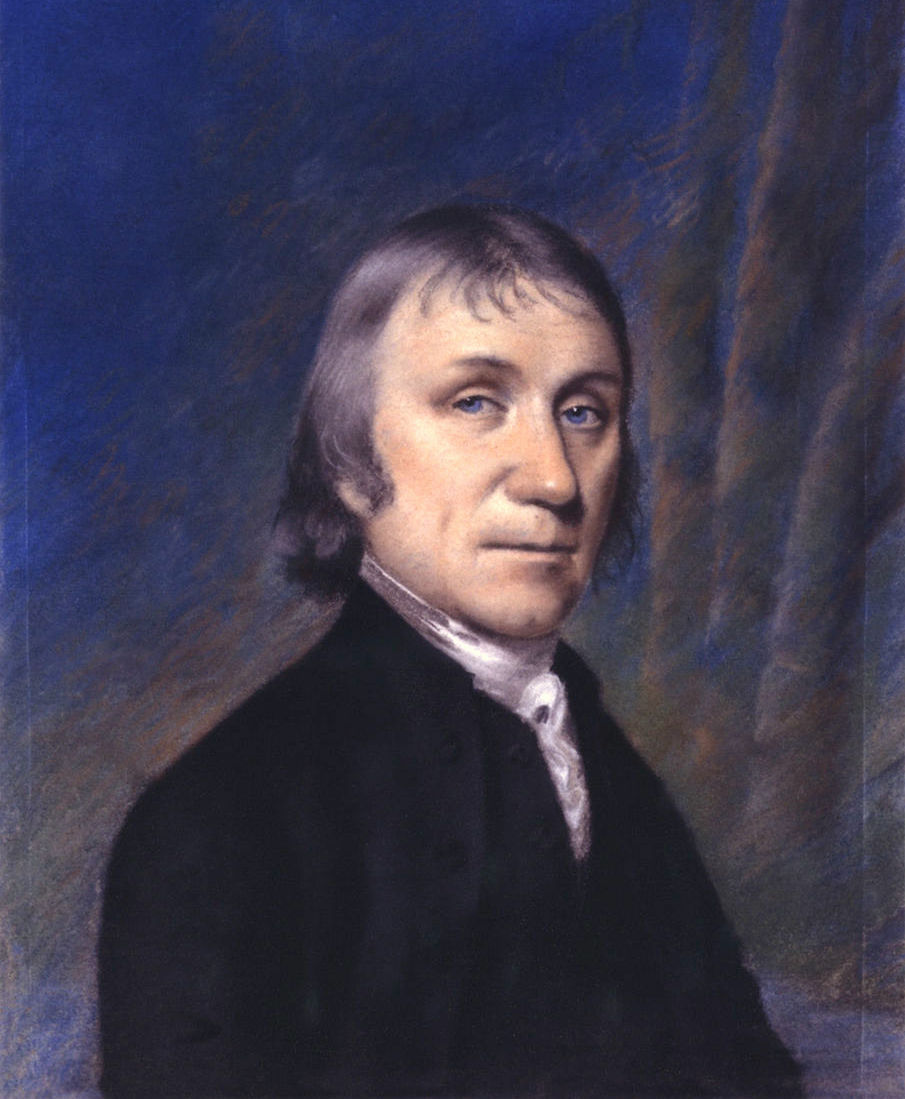
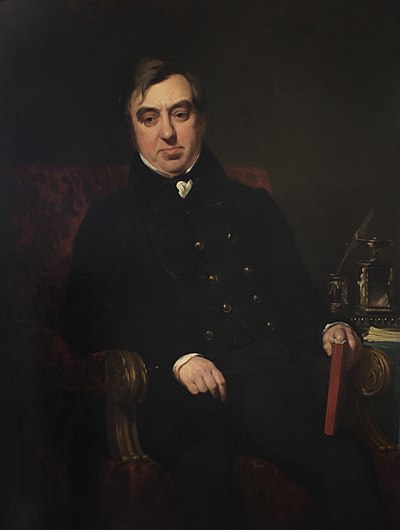
Joseph Black was a pioneering British physicist and chemist whose groundbreaking work laid the foundation for modern thermodynamics and chemistry. He is best known for his discovery of latent heat, which explained how heat is absorbed or released during phase changes without a change in temperature. Additionally, Black identified specific heat, a concept crucial for understanding thermal properties of substances, and he was instrumental in the discovery of carbon dioxide, which he referred to as 'fixed air.' His academic career began at the University of Glasgow, where he served as Professor of Anatomy and Chemistry from 1756, before moving to the University of Edinburgh in 1766, where he held the position of Professor of Medicine and Chemistry for over three decades. Black's influence extended beyond his discoveries; he was a mentor to notable figures such as James Watt and helped shape the field of chemistry during the Scottish Enlightenment. His legacy is commemorated in the naming of chemistry buildings at both the University of Edinburgh and the University of Glasgow, reflecting his lasting impact on the scientific community. Black's contributions to the understanding of heat and gases not only advanced the field of chemistry but also paved the way for future innovations in physics and engineering, solidifying his place as a key figure in the history of science.
Famous Quotes
View all 16 quotes“The black moment is the moment when the real message of transformation is going to come. At the darkest moment comes the light.””
“The offing was barred by a black bank of clouds, and the tranquil water-way leading to the uttermost ends of the earth flowed somber under an overcast sky--seemed to lead into the heart of an immense darkness.””
“You see, insanity runs in my family. It practically gallops.””
Books from the author





Link to this page
Add a free, dofollow link to Lex on your blog, forum, syllabus, or reading list.

<a href="https://lex-books.com/author/joseph-black"><img src="https://lex-books.com/badges/read-on-lex.svg" alt="Joseph Black on Lex" width="160" height="40"></a>[](https://lex-books.com/author/joseph-black)[url=https://lex-books.com/author/joseph-black][img]https://lex-books.com/badges/read-on-lex.svg[/img][/url]Joseph Black on Lex: https://lex-books.com/author/joseph-black