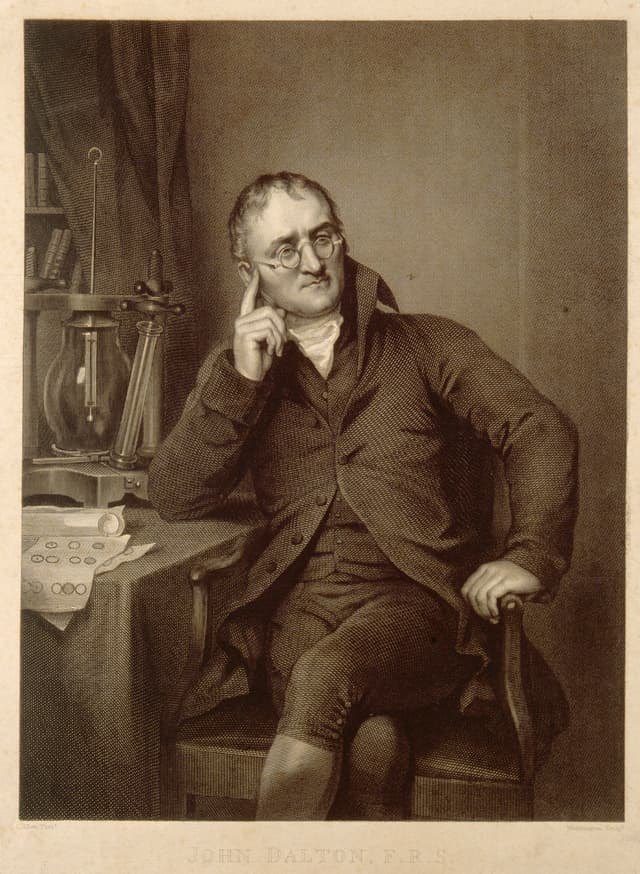
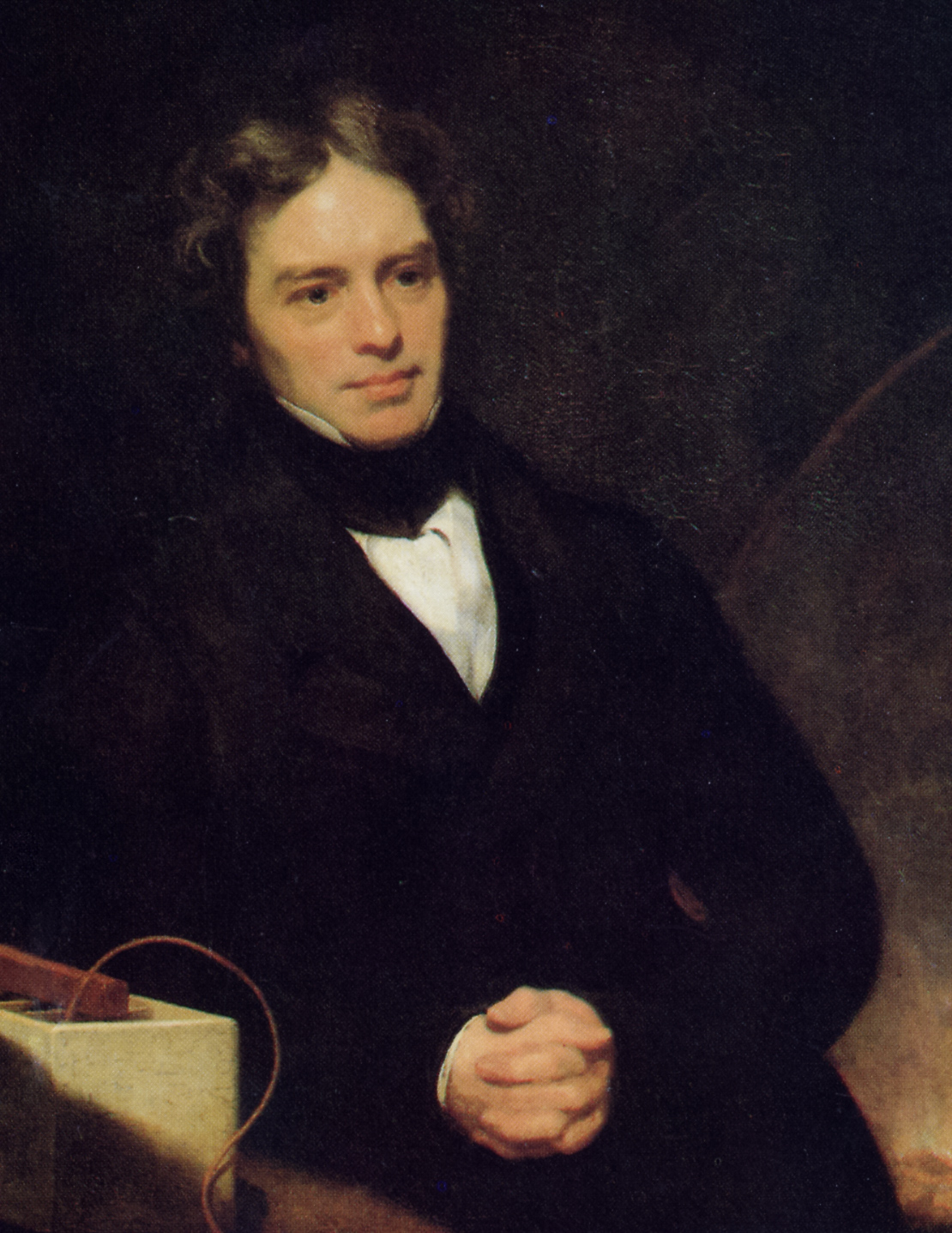
John Dalton
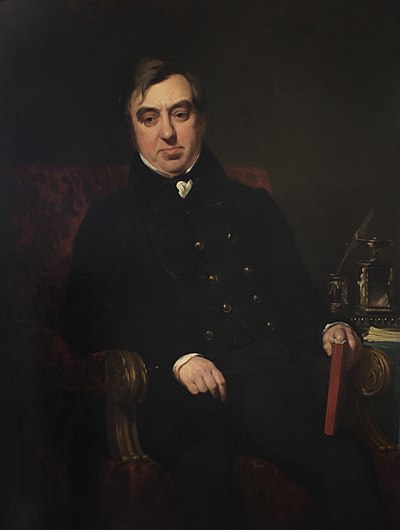
John Dalton was an English chemist, physicist, and meteorologist who made groundbreaking contributions to the field of chemistry. He is best known for introducing the atomic theory, which revolutionized the understanding of matter by proposing that all substances are composed of indivisible atoms. Dalton's work laid the foundation for modern chemistry and influenced subsequent scientists in their exploration of atomic structure and chemical reactions. His formulation of the law of multiple proportions further solidified his reputation as a pivotal figure in the scientific community. In addition to his work in chemistry, Dalton conducted significant research on color blindness, a condition he himself experienced. His studies led to the identification of red-green color blindness, which is often referred to as Daltonism in various languages. This research not only advanced the understanding of visual perception but also highlighted the importance of scientific inquiry into human health and physiology. Dalton's legacy endures through his contributions to both chemistry and the study of sensory perception, marking him as a key figure in the scientific advancements of the early 19th century.
Famous Quotes
View all 2 quotes“It's the right idea, but not the right time.”
“If I have succeeded better than many who surround me, it has been chiefly - may I say almost solely - from universal assiduity.”
Books from the author





Link to this page
Add a free, dofollow link to Lex on your blog, forum, syllabus, or reading list.

<a href="https://lex-books.com/author/john-dalton"><img src="https://lex-books.com/badges/read-on-lex.svg" alt="John Dalton on Lex" width="160" height="40"></a>[](https://lex-books.com/author/john-dalton)[url=https://lex-books.com/author/john-dalton][img]https://lex-books.com/badges/read-on-lex.svg[/img][/url]John Dalton on Lex: https://lex-books.com/author/john-dalton