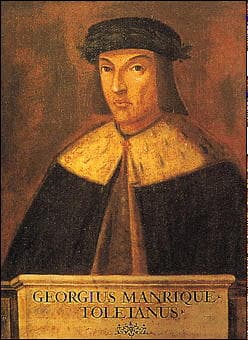
Jorge Manrique
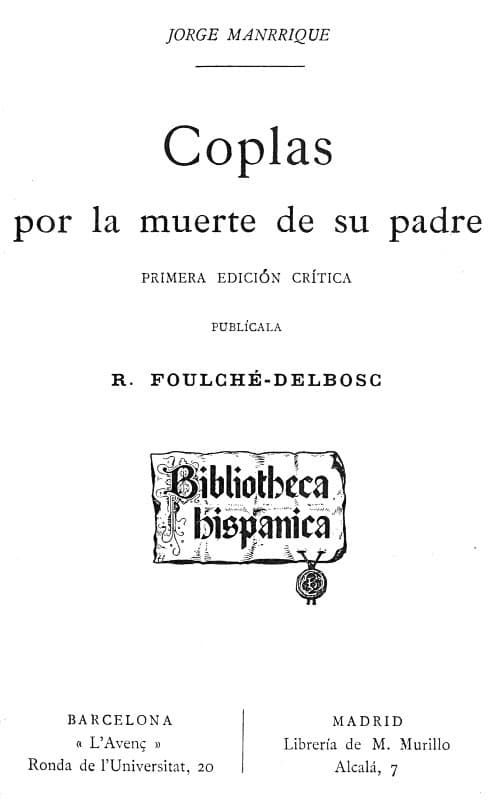
Jorge Manrique was a prominent Castilian poet of the late 15th century, best known for his poignant elegy, 'Coplas por la muerte de su padre,' which reflects on the themes of mortality and the passage of time. Born into a noble family with deep literary roots, he was the great-nephew of the influential poet Iñigo López de Mendoza and was closely connected to other notable literary figures of his time. Manrique's work is characterized by its emotional depth and philosophical insights, making it a significant contribution to Spanish literature. A supporter of Queen Isabel I of Castile, Manrique actively participated in the civil conflicts of his era, aligning himself against her half-brother, Enrique IV. His life was marked by both literary achievement and political engagement, culminating in his death during a military campaign in 1479. Despite his relatively short life, Manrique's exploration of existential themes and his mastery of poetic form have left a lasting legacy, influencing subsequent generations of poets and writers in the Spanish literary tradition.
Famous Quotes
View all 7 quotes“Any time gone by was better.””
“Nuestra vida son los ríos que van a dar en la mar, que es el morir””
“Ni miento ni me arrepiento””
Books from the author



Link to this page
Add a free, dofollow link to Lex on your blog, forum, syllabus, or reading list.

<a href="https://lex-books.com/author/jorge-manrique"><img src="https://lex-books.com/badges/read-on-lex.svg" alt="Jorge Manrique on Lex" width="160" height="40"></a>[](https://lex-books.com/author/jorge-manrique)[url=https://lex-books.com/author/jorge-manrique][img]https://lex-books.com/badges/read-on-lex.svg[/img][/url]Jorge Manrique on Lex: https://lex-books.com/author/jorge-manrique