Lex

Browse

GenresShelvesPremiumBlog

Company

AboutJobsPartnersSell on LexAffiliates

Audio

Lex StudioVoicesFirst chapter freeAudiobook pricingAudiobook samplesAudiobook guidesAudio blog

Resources

DocsInvite FriendsFAQ

Legal

Terms of ServicePrivacy Policygeneral@lex-books.com+1 951-551-2243WhatsApp (international)

© 2026 LexBooks, Inc. All rights reserved.

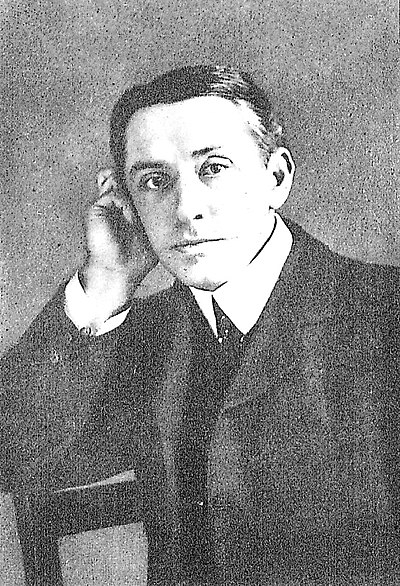
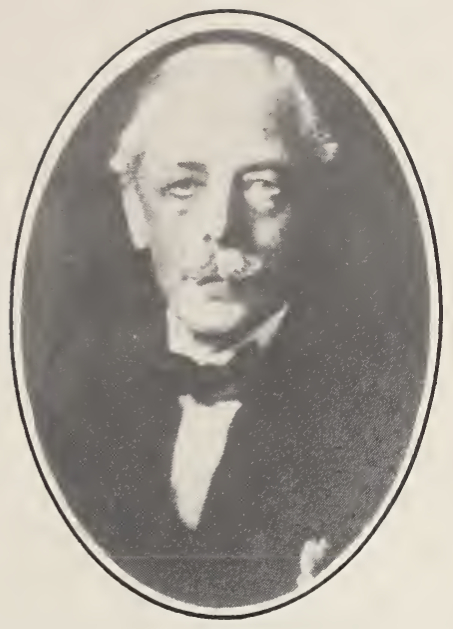
John S. Farmer

John S. Farmer was a British lexicographer, spiritualist, and writer, best known for his extensive contributions to the study of slang. His most notable work, a seven-volume dictionary of slang, provided a comprehensive resource that captured the evolving nature of informal language in the late 19th and early 20th centuries. Farmer's dedication to documenting colloquial speech not only highlighted the richness of English vernacular but also reflected the cultural shifts of his time. In addition to his lexicographical endeavors, Farmer was involved in spiritualism, which influenced his writing and perspective on language as a living entity. His works served as a bridge between the formalities of traditional lexicons and the dynamic, often playful nature of everyday speech. Farmer's legacy endures through his pioneering efforts in slang lexicography, making him a significant figure in the evolution of English language studies.

Wikipedia

John Stephen Farmer (7 March 1854 – 18 January 1916) also known as J. S. Farmer was a British lexicographer, spiritualis...

Written by Lex AI

Famous Quotes

View all 7 quotes

“The rich were getting richer, the poor were getting poorer, small farmers were being squeezed out, workingmen were working twelve hours a day for a bare living; profits were for the rich, the law was for the rich, the cops were for the rich;””

1919

“Farmers don't nap," he said. "Knights nap.""That's where we get the expression 'a good knight's sleep,'" Will said, smiling at his own wit. Halt turned a baleful eye on him."Horace is right. You're not funny.””

Halt's Peril

“Firmly grounded in the divine dream of Israel’s Torah, the Bible’s prophetic vision insists that God demands the fair and equitable sharing of God’s world among all of God’s people. In Israel’s Torah, God says, “The land is mine; with me you are but aliens and tenants” (Lev. 25:23). We are all tenant farmers and resident aliens in a land and on an earth not our own.The prophets speak in continuity with that radical vision of the earth’s divine ownership. They repeatedly proclaim it with two words in poetic parallelism. “The Lord is exalted,” proclaims Isaiah. “He dwells on high; he filled Zion with justice and righteousness” (33:5). “I am the Lord,” announces Jeremiah in the name of God. “I act with steadfast love, justice, and righteousness in the earth, for in these things I delight” (9:24). And those qualities must flow from God to us, from heaven to earth. “Thus says the Lord,” continues Jeremiah. “Act with justice and righteousness, and deliver from the hand of the oppressor anyone who has been robbed. And do no wrong or violence to the alien, the orphan, and the widow, or shed innocent blood in this place” (22:3).“Justice and righteousness” is how the Bible, as if in a slogan, summarizes the character and spirit of God the Creator and, therefore, the destiny and future of God’s created earth. It points to distributive justice as the Bible’s radical vision of God. “Ah, you who join house to house, who add field to field,” mourns the prophet Isaiah, “until there is room for no one but you, and you are left to live alone in the midst of the land” (5:8). But that landgrab is against the dream of God and the hope of Israel. Covenant with a God of distributive justice who owns the earth necessarily involves, the prophets insist, the exercise of distributive justice in God’s world and on God’s earth. All God’s people must receive a fair share of God’s earth.””

The Greatest Prayer: A Revolutionary Manifesto and Hymn of Hope

Books from the author

right arrow

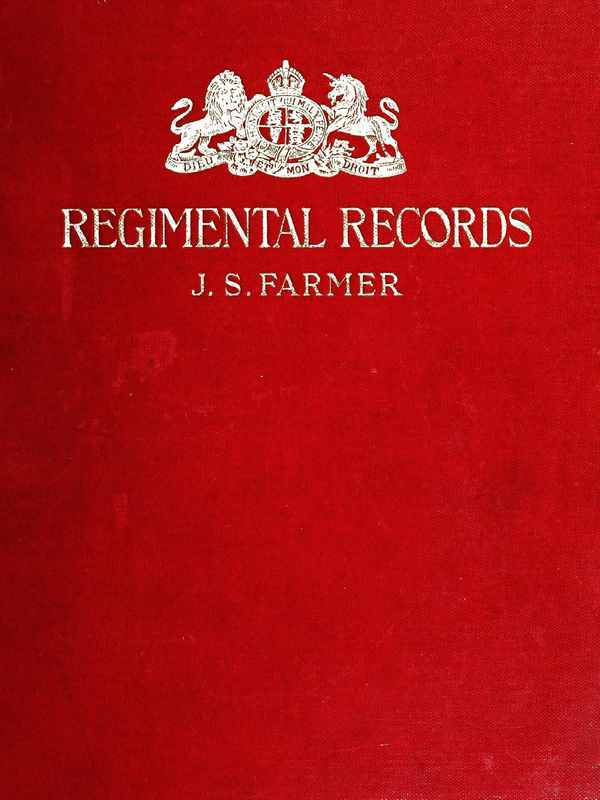
TheRegimentalRecords ofthe Briti...

John S. Farmer

The Regimental Records of the British Army: A Historical Résumé Chronologically Arranged of Titles, Campaigns, Honours, Uniforms, Facings, Badges, Nicknames, Etc.

More authors like this

right arrow
Bertrand de, seigneur de La Mothe-Fénelon, active 16th century Salignac
Unknown
Charles Amory Beach
Unknown
J. S. Fletcher
J. S. Fletcher
Unknown
Louis Creswicke
Unknown
Procopius
Unknown
Sunzi
Sunzi
Unknown
United States. War Department
Unknown
David Hannay
David Hannay
1853-1934
E. Keble Chatterton
E. Keble Chatterton
1878-1944
Erskine Childers
Erskine Childers
1870-1922
Henry Woodd Nevinson
1856-1941
Julian Stafford Corbett
1854-1922
Philip Gibbs
Philip Gibbs
1877-1962
Richard Cannon
Richard Cannon
1779-1865
William Wood
1864-1947
Adolphe Thiers
Adolphe Thiers
1797-1877

Link to this page

Add a free, dofollow link to Lex on your blog, forum, syllabus, or reading list.

John S. Farmer on Lex
HTML
<a href="https://lex-books.com/author/john-s-farmer"><img src="https://lex-books.com/badges/read-on-lex.svg" alt="John S. Farmer on Lex" width="160" height="40"></a>
Markdown
[![John S. Farmer on Lex](https://lex-books.com/badges/read-on-lex.svg)](https://lex-books.com/author/john-s-farmer)
BBCode
[url=https://lex-books.com/author/john-s-farmer][img]https://lex-books.com/badges/read-on-lex.svg[/img][/url]
Plain link
John S. Farmer on Lex: https://lex-books.com/author/john-s-farmer