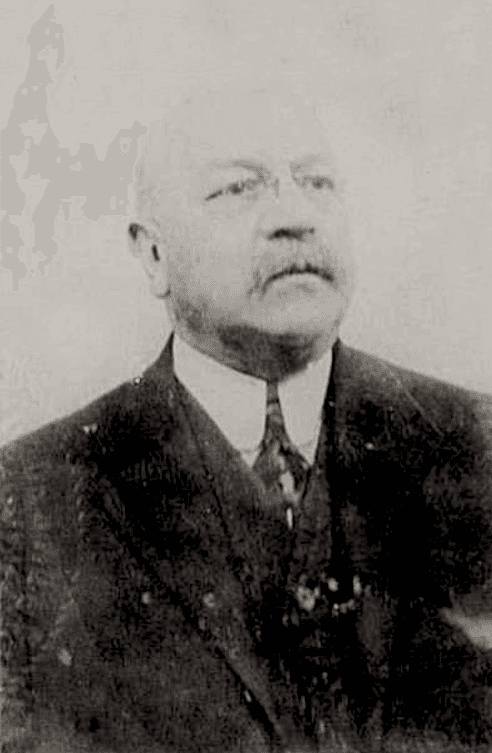
John N. Luff
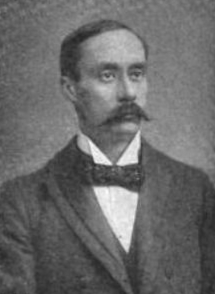
John N. Luff was an American philatelist and author, recognized for his contributions to the study and appreciation of postage stamps. He was particularly influential in the late 19th and early 20th centuries, a period that saw a burgeoning interest in philately as both a hobby and a scholarly pursuit. Luff's notable work, 'What Philately Teaches,' delivered as a lecture at the Brooklyn Institute of Arts and Sciences in 1899, emphasized the educational value of stamp collecting and its ability to foster a deeper understanding of history, geography, and culture. Through his writings and lectures, he sought to elevate philately from mere collecting to a respected intellectual activity. Luff's legacy lies in his role as a pioneer in philatelic education, advocating for the appreciation of stamps as historical artifacts that tell stories of nations and peoples. His work not only inspired collectors but also contributed to the establishment of philately as a serious field of study. By promoting the idea that stamps could serve as a gateway to learning, Luff helped to shape the future of philatelic scholarship and community engagement, leaving a lasting impact on the world of stamp collecting and education.
Books from the author


Link to this page
Add a free, dofollow link to Lex on your blog, forum, syllabus, or reading list.

<a href="https://lex-books.com/author/john-n-luff"><img src="https://lex-books.com/badges/read-on-lex.svg" alt="John N. Luff on Lex" width="160" height="40"></a>[](https://lex-books.com/author/john-n-luff)[url=https://lex-books.com/author/john-n-luff][img]https://lex-books.com/badges/read-on-lex.svg[/img][/url]John N. Luff on Lex: https://lex-books.com/author/john-n-luff