
John Jewel
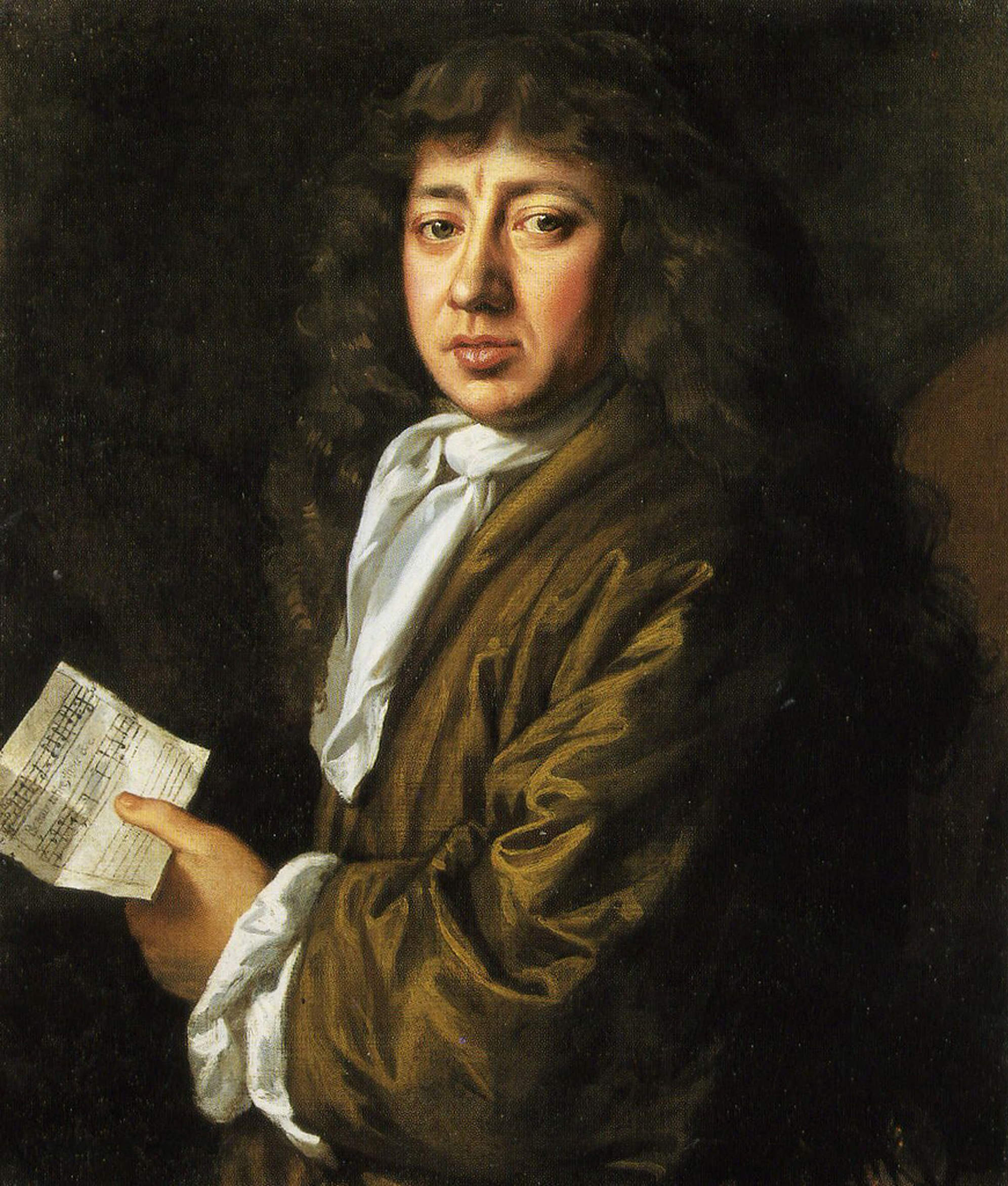
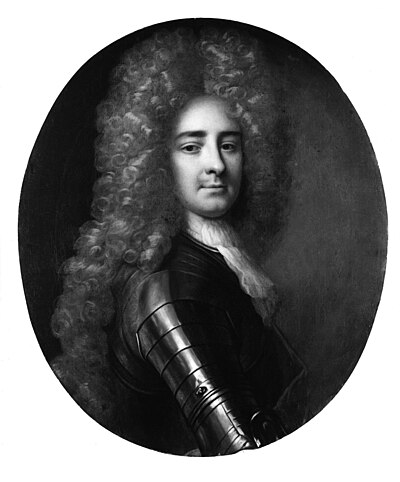
John Jewel was a prominent English bishop and theologian, best known for his role as the Bishop of Salisbury from 1559 until his death in 1571. Born in Devon, he was educated at the University of Oxford, where he developed a strong foundation in theology and classical studies. Jewel became a significant figure during the English Reformation, advocating for the Protestant faith and defending the Church of England against Catholic criticisms. His most notable work, 'Apologia Ecclesiae Anglicanae' (Apology of the Church of England), was a comprehensive defense of the Anglican Church, articulating its beliefs and practices in contrast to Roman Catholicism. This work not only solidified his reputation as a theologian but also played a crucial role in shaping the identity of the Church of England during a tumultuous period. Jewel's influence extended beyond his writings; he was instrumental in the establishment of the Elizabethan religious settlement. His efforts in promoting the Protestant cause and his commitment to the principles of the Reformation made him a key figure in the religious landscape of 16th-century England. Jewel's legacy is marked by his theological contributions and his role in the development of Anglican identity, making him a significant figure in the history of English Christianity. His works continue to be studied for their historical and theological insights, reflecting the complexities of faith during a time of profound change.
Famous Quotes
View all 12 quotes“It is a time of quiet joy, the sunny morning. When the glittery dew is on the mallow weeds, each leaf holds a jewel which is beautiful if not valuable. This is no time for hurry or for bustle. Thoughts are slow and deep and golden in the morning.””
“Up then, fair phoenix bride, frustrate the sun;Thyself from thine affectionTakest warmth enough, and from thine eyeAll lesser birds will take their jollity.Up, up, fair bride, and callThy stars from out their several boxes, takeThy rubies, pearls, and diamonds forth, and makeThyself a constellation of them all;And by their blazing signifyThat a great princess falls, but doth not die.Be thou a new star, that to us portendsEnds of much wonder; and be thou those ends.””
“FOR THE DYING May death come gently toward you, Leaving you time to make your way Through the cold embrace of fear To the place of inner tranquillity. May death arrive only after a long life To find you at home among your own With every comfort and care you require. May your leave-taking be gracious, Enabling you to hold dignity Through awkwardness and illness. May you see the reflection Of your life’s kindness and beauty In all the tears that fall for you. As your eyes focus on each face, May your soul take its imprint, Drawing each image within As companions for the journey. May you find for each one you love A different locket of jeweled words To be worn around the heart To warm your absence. May someone who knows and loves The complex village of your heart Be there to echo you back to yourself And create a sure word-raft To carry you to the further shore. May your spirit feel The surge of true delight When the veil of the visible Is raised, and you glimpse again The living faces Of departed family and friends. May there be some beautiful surprise Waiting for you inside death, Something you never knew or felt, Which with one simple touch, Absolves you of all loneliness and loss, As you quicken within the embrace For which your soul was eternally made. May your heart be speechless At the sight of the truth Of all belief had hoped, Your heart breathless In the light and lightness Where each and everything Is at last its true self Within that serene belonging That dwells beside us On the other side Of what we see.””
Books from the author







Link to this page
Add a free, dofollow link to Lex on your blog, forum, syllabus, or reading list.

<a href="https://lex-books.com/author/john-jewel"><img src="https://lex-books.com/badges/read-on-lex.svg" alt="John Jewel on Lex" width="160" height="40"></a>[](https://lex-books.com/author/john-jewel)[url=https://lex-books.com/author/john-jewel][img]https://lex-books.com/badges/read-on-lex.svg[/img][/url]John Jewel on Lex: https://lex-books.com/author/john-jewel