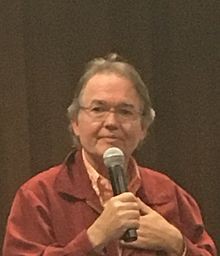
John Gray
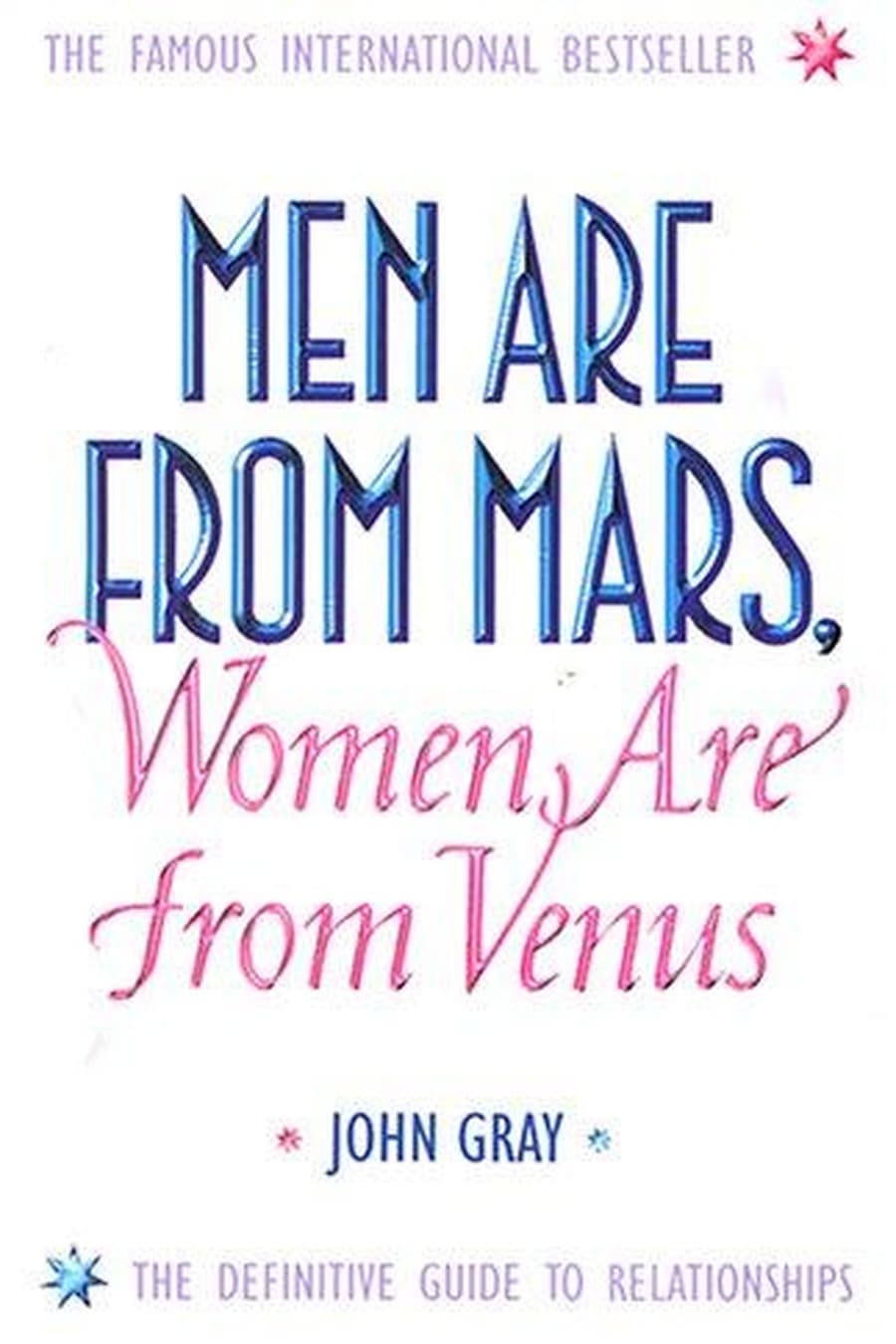
John Gray is an American relationship counselor, lecturer, and author. His book Men Are from Mars, Women Are from Venus became one of the bestselling relationship books of all time, selling over 50 million copies worldwide.
Famous Quotes
View all 3 quotes“When a man can listen to a woman's feelings without getting angry and frustrated, he gives her a wonderful gift. He makes it safe for her to express herself. The more she is able to express herself, the more she feels heard and understood, and the more she is able to give a man the loving trust, acceptance, appreciation, admiration, approval, and encouragement that he needs.”
“Men are motivated when they feel needed while women are motivated when they feel cherished.”
“" when men and women are able to respect and accept their differences then love has a chance to blossom”
Books from the author






Link to this page
Add a free, dofollow link to Lex on your blog, forum, syllabus, or reading list.

<a href="https://lex-books.com/author/john-gray"><img src="https://lex-books.com/badges/read-on-lex.svg" alt="John Gray on Lex" width="160" height="40"></a>[](https://lex-books.com/author/john-gray)[url=https://lex-books.com/author/john-gray][img]https://lex-books.com/badges/read-on-lex.svg[/img][/url]John Gray on Lex: https://lex-books.com/author/john-gray