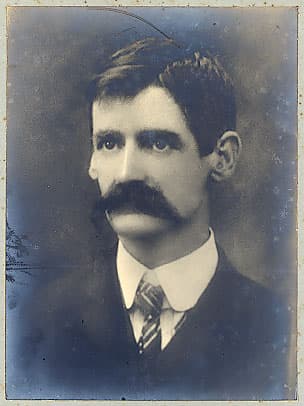
Henry Lawson
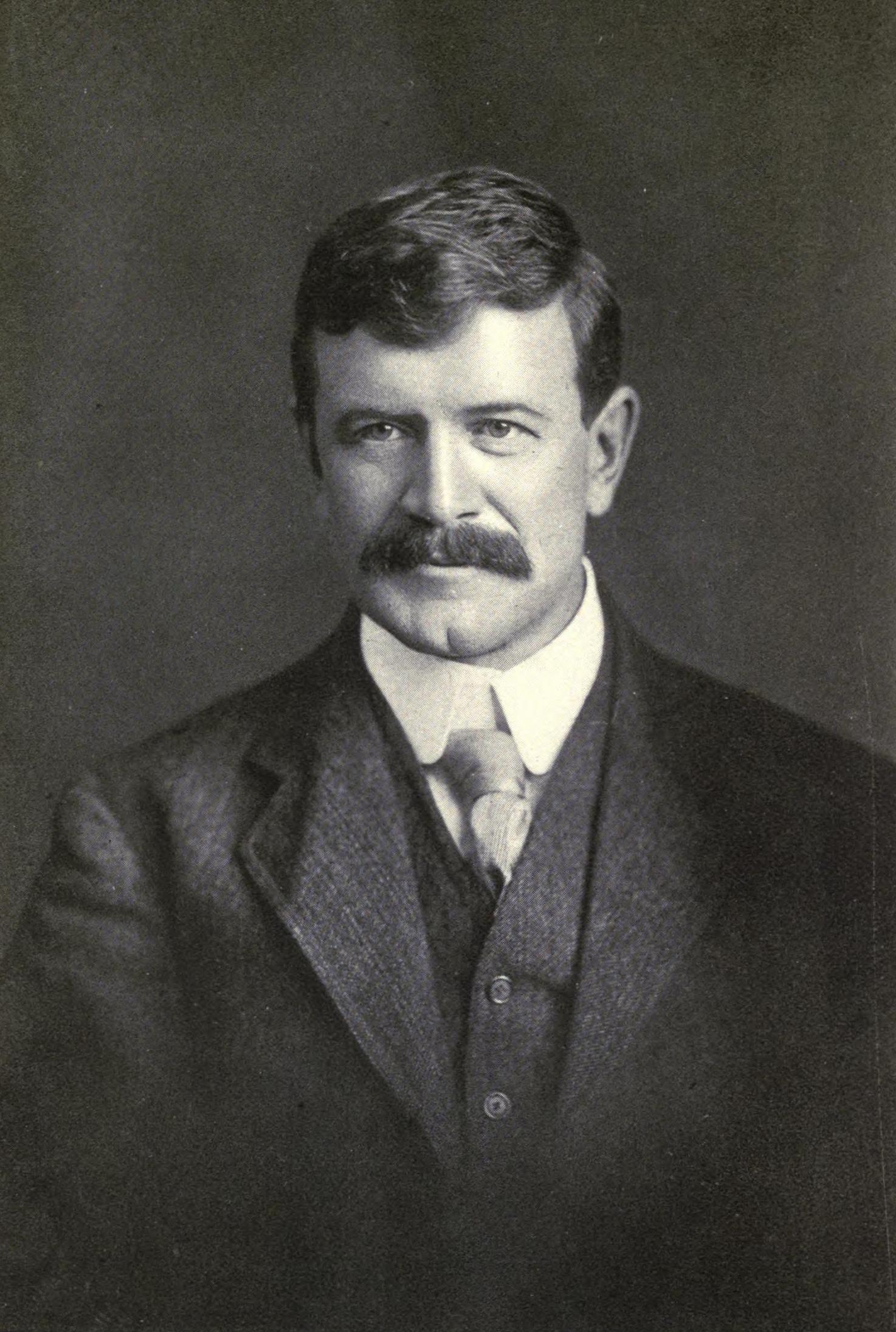
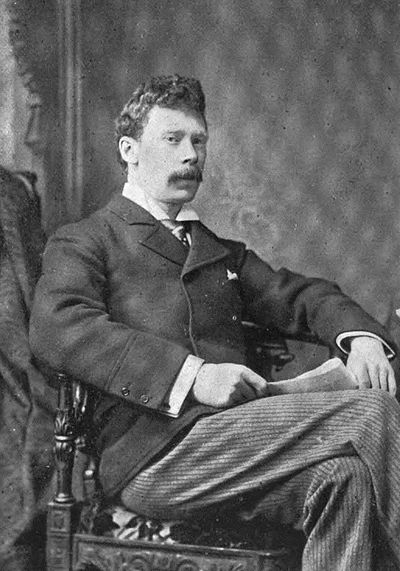
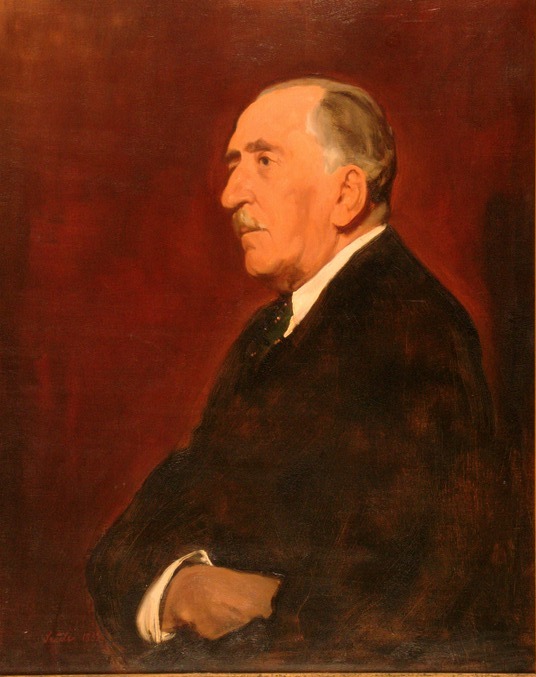
Henry Lawson was a prominent Australian writer and bush poet, celebrated for his contributions to literature during the colonial period. Alongside Banjo Paterson, he is often regarded as Australia's greatest short story writer, with a distinctive style that captured the essence of the Australian experience. Lawson's works, including notable pieces like 'The Drover's Wife' and 'The Bush Undertaker', played a crucial role in popularizing the Australian vernacular in fiction, reflecting the struggles and resilience of rural life. His writing was characterized by a deep sense of nationalism and a commitment to social issues, which resonated with the sentiments of his time. Despite his literary success, Lawson faced significant personal challenges, including battles with alcoholism and mental illness, which affected his prolific output after the 1890s. His later years were marked by periods of poverty and institutionalization, yet his legacy endured. Upon his death in 1922, he became the first Australian writer to receive a state funeral, a testament to his impact on the nation's literary landscape. Lawson's ability to articulate the Australian identity and his pioneering use of local dialect have left an indelible mark on Australian literature, influencing generations of writers who followed him.
Famous Quotes
View all 3 quotes“Beer makes you feel the way you ought to feel without beer.”
“Oh, my ways are strange ways and new ways and old ways, And deep ways and steep ways and high ways and low, I'm at home and at ease on a track that I know not, And restless and lost on a road that I know.”
“Grey eyes that grow sadder than sunset or rain, Fond heart that is ever more true Firm faith that grows firmer for watching in vain--- She’ll wait by the sliprails for you.”
Books from the author





Link to this page
Add a free, dofollow link to Lex on your blog, forum, syllabus, or reading list.

<a href="https://lex-books.com/author/henry-lawson"><img src="https://lex-books.com/badges/read-on-lex.svg" alt="Henry Lawson on Lex" width="160" height="40"></a>[](https://lex-books.com/author/henry-lawson)[url=https://lex-books.com/author/henry-lawson][img]https://lex-books.com/badges/read-on-lex.svg[/img][/url]Henry Lawson on Lex: https://lex-books.com/author/henry-lawson