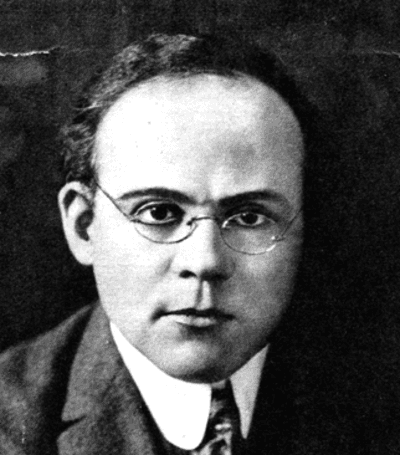
Edgar Lee Masters
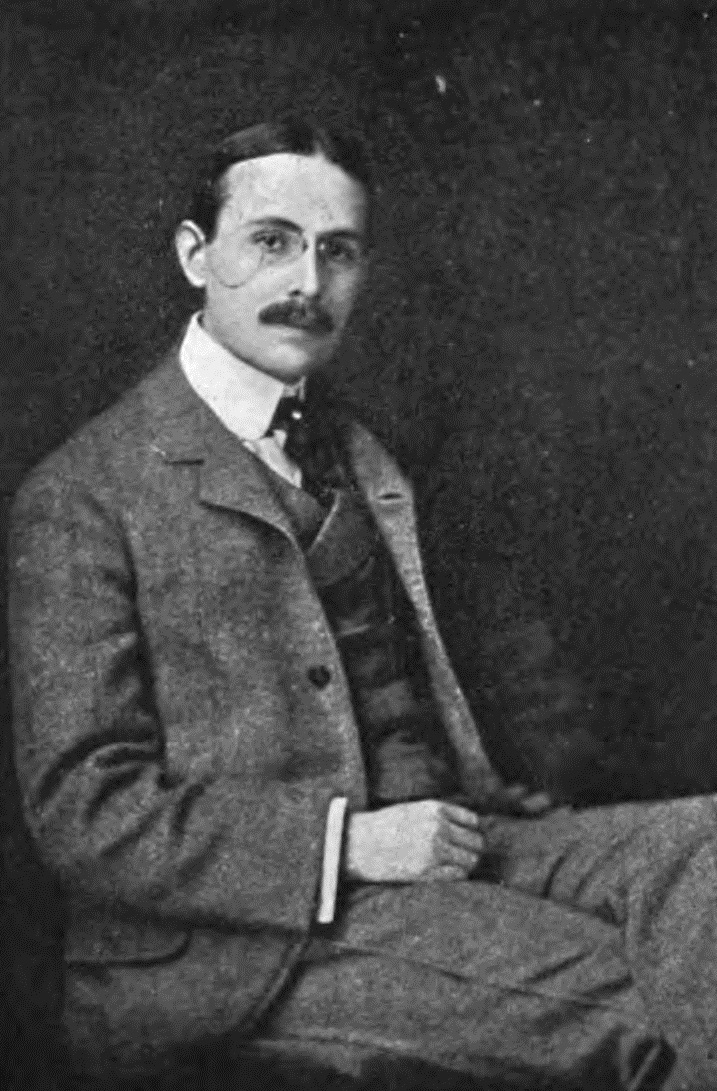
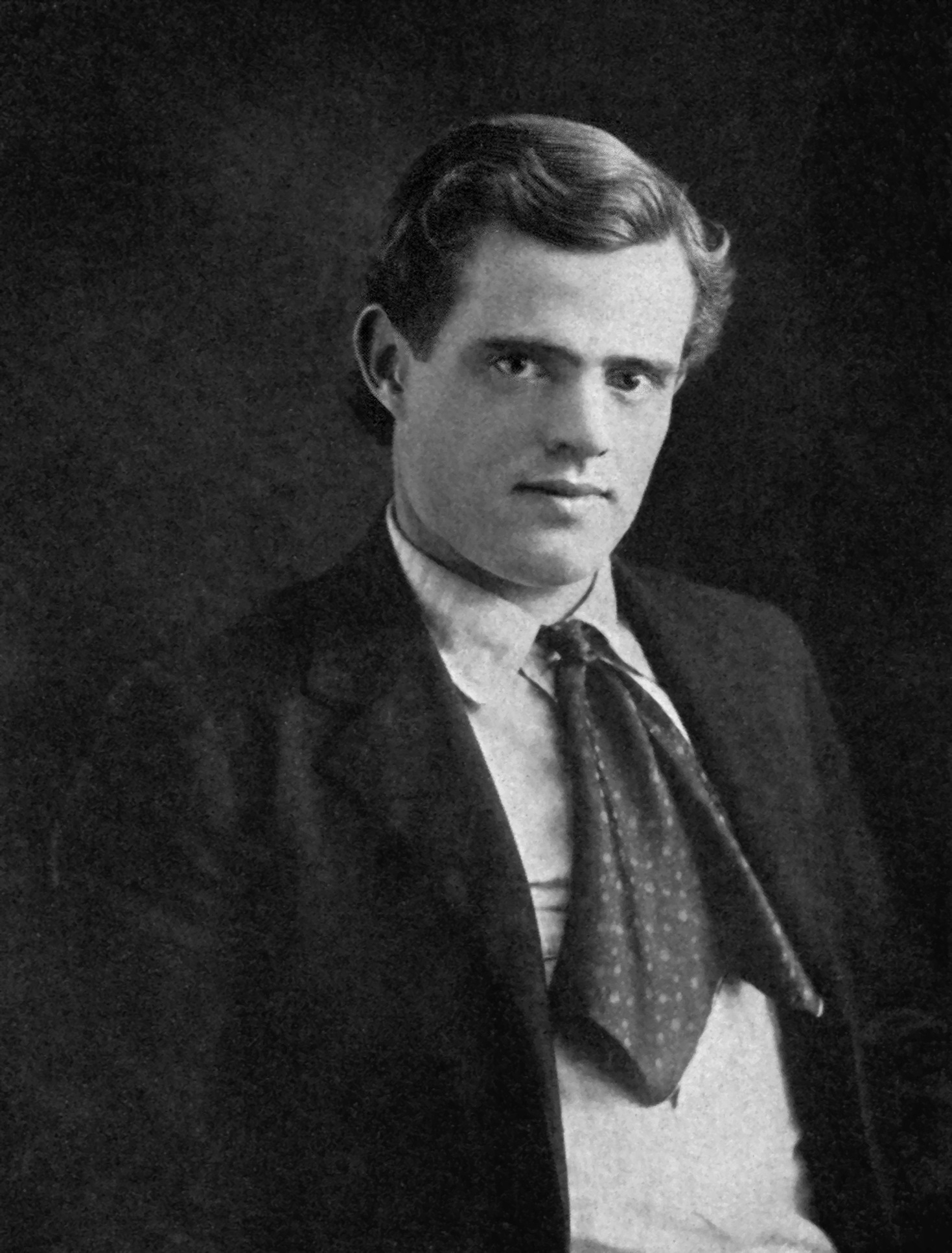
Edgar Lee Masters was an influential American poet, attorney, and biographer, best known for his groundbreaking work, Spoon River Anthology, published in 1915. This collection of free-verse epitaphs from the fictional Spoon River cemetery offered a candid portrayal of small-town life and the complexities of human experience, establishing Masters as a significant figure in American literature. His innovative use of voice and character paved the way for future poets and writers, making him a precursor to modernist poetry. In addition to Spoon River Anthology, Masters authored a diverse array of works, including essays, plays, and biographies, with notable titles such as Lincoln: The Man and Mark Twain: A Portrait. Throughout his career, he published twelve plays, twenty-one poetry collections, six novels, and six biographies, showcasing his versatility as a writer. Masters' literary significance lies not only in his contributions to poetry but also in his exploration of American identity and the human condition, which continue to resonate in literary discussions today. His legacy endures through his innovative narrative techniques and his ability to capture the essence of life in the early 20th century.
Famous Quotes
View all 20 quotes“To this generation I would say:Memorize some bit of verse of truth or beauty.””
“To put meaning in one's life may end in madness,But life without meaning is the tortureOf restlessness and vague desire--It is a boat longing for the sea and yet afraid.””
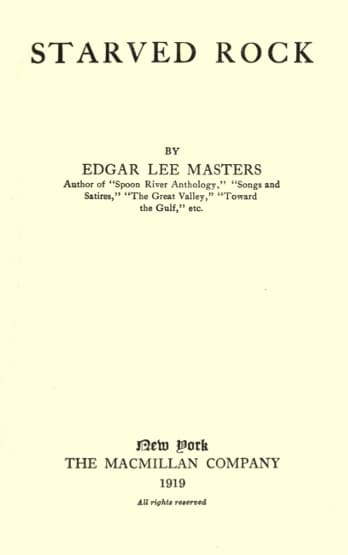
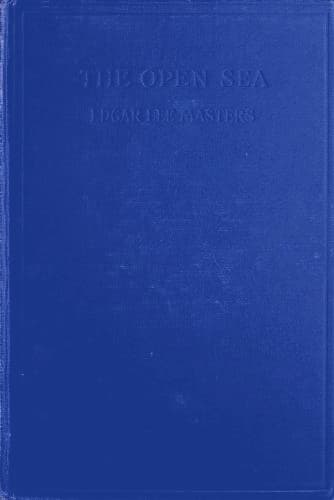
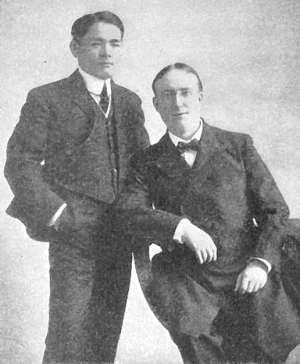
Books from the author






Link to this page
Add a free, dofollow link to Lex on your blog, forum, syllabus, or reading list.

<a href="https://lex-books.com/author/edgar-lee-masters"><img src="https://lex-books.com/badges/read-on-lex.svg" alt="Edgar Lee Masters on Lex" width="160" height="40"></a>[](https://lex-books.com/author/edgar-lee-masters)[url=https://lex-books.com/author/edgar-lee-masters][img]https://lex-books.com/badges/read-on-lex.svg[/img][/url]Edgar Lee Masters on Lex: https://lex-books.com/author/edgar-lee-masters