
John Earle
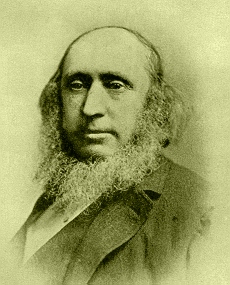
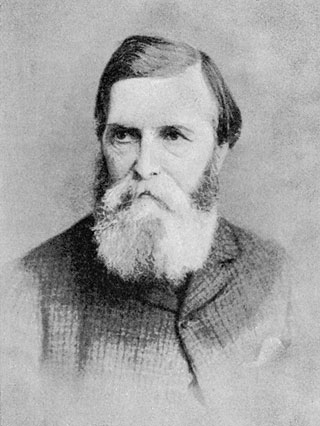
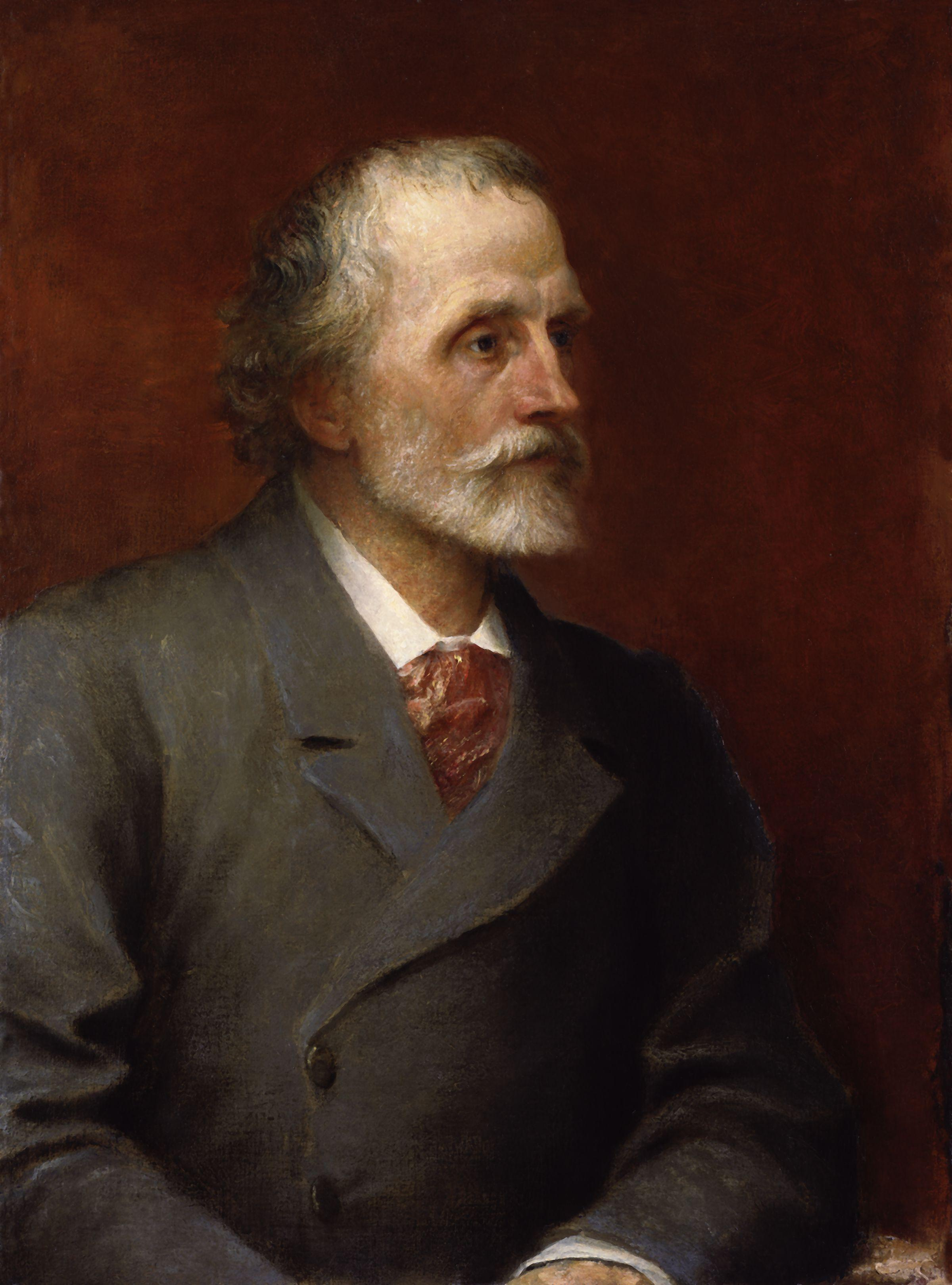
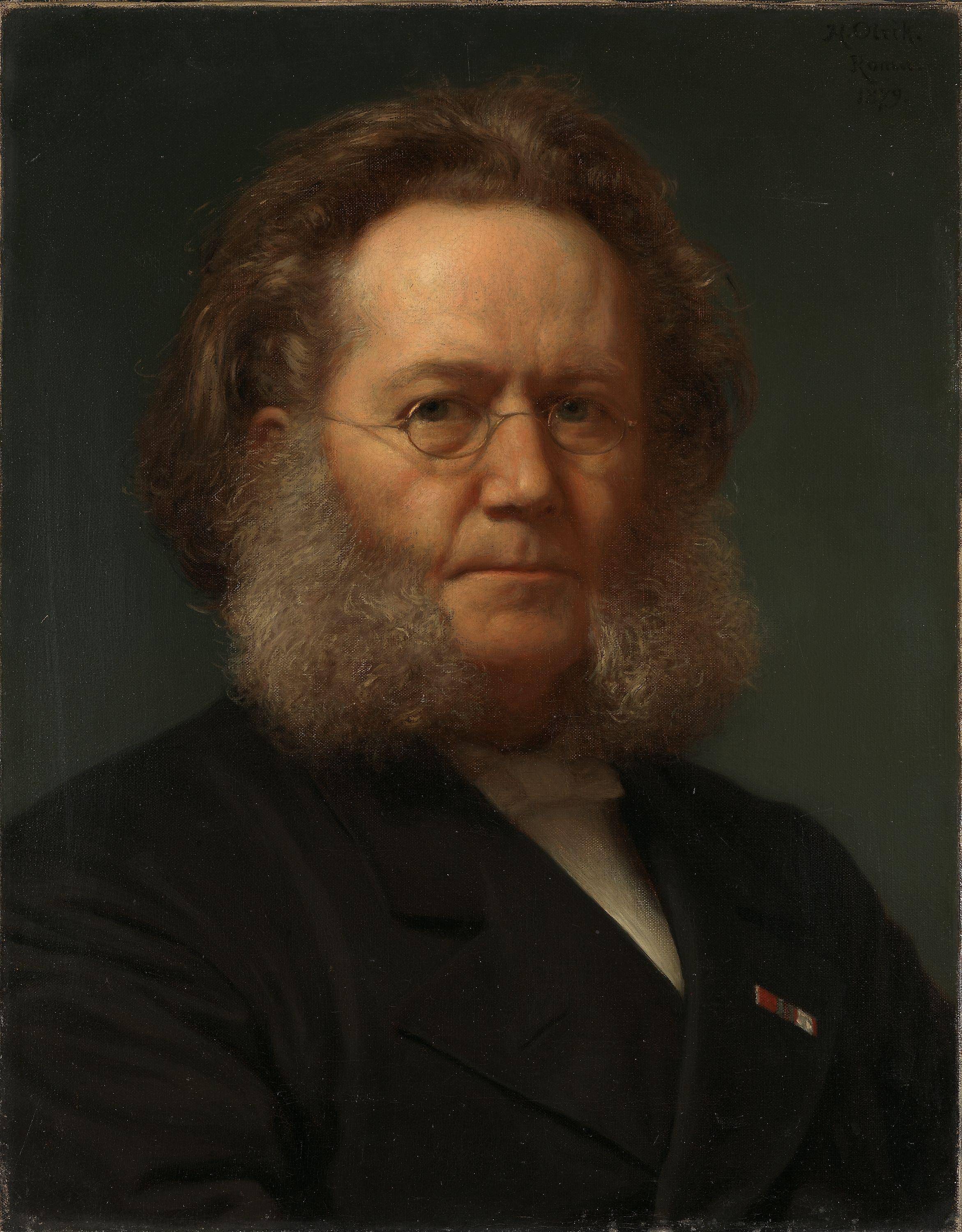
John Earle was an English cleric and author known for his contributions to literature and translation during the 17th century. He served as chaplain to Charles II and later ascended to the positions of Bishop of Worcester and Bishop of Salisbury. Earle's literary significance is particularly marked by his work 'Microcosmography,' a collection of character sketches that offered a satirical and insightful look at various types of people in society. This work is notable for its early use of the essay form and its exploration of human nature, providing a precursor to later character studies in English literature. Earle's writings reflect the complexities of his time, blending religious themes with social commentary. His ability to capture the essence of human behavior and societal norms has earned him a place in the canon of English literature. Through his roles in the church and his literary endeavors, Earle contributed to the cultural landscape of the Restoration period, influencing both contemporaries and future writers with his keen observations and engaging prose.
Famous Quotes
View all 10 quotes“I dislike the phrase 'Internet friends,' because it implies that people you know online aren't really your friends, that somehow the friendship is less real or meaningful to you because it happens through Skype or text messages. The measure of a friendship is not its physicality but its significance.””
“I have to speak my mind. Because what is in my mind is always more interesting than what is happening in the world outside my mind.””
“She used that word at some point referring to her family's love, infinite, and I thought about how infinite is not a large number. It is something else entirely. It is boundlessness.””
Books from the author


Link to this page
Add a free, dofollow link to Lex on your blog, forum, syllabus, or reading list.

<a href="https://lex-books.com/author/john-earle"><img src="https://lex-books.com/badges/read-on-lex.svg" alt="John Earle on Lex" width="160" height="40"></a>[](https://lex-books.com/author/john-earle)[url=https://lex-books.com/author/john-earle][img]https://lex-books.com/badges/read-on-lex.svg[/img][/url]John Earle on Lex: https://lex-books.com/author/john-earle