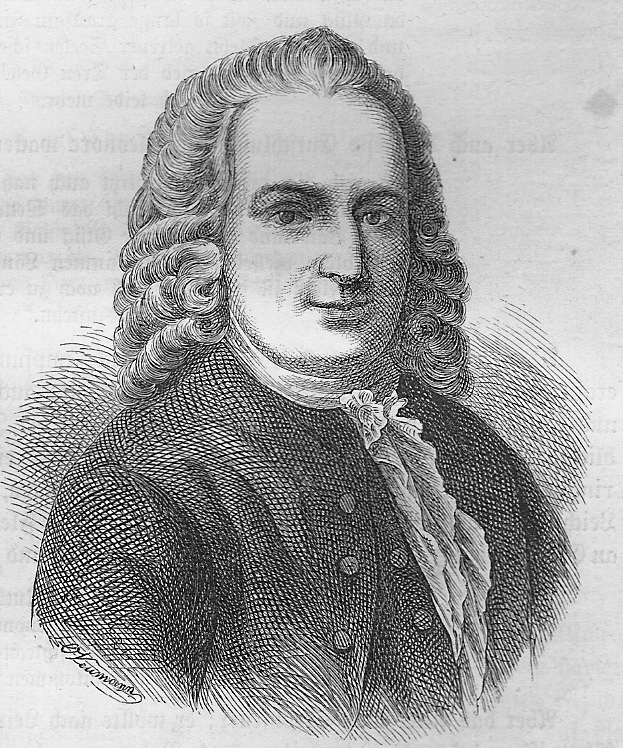
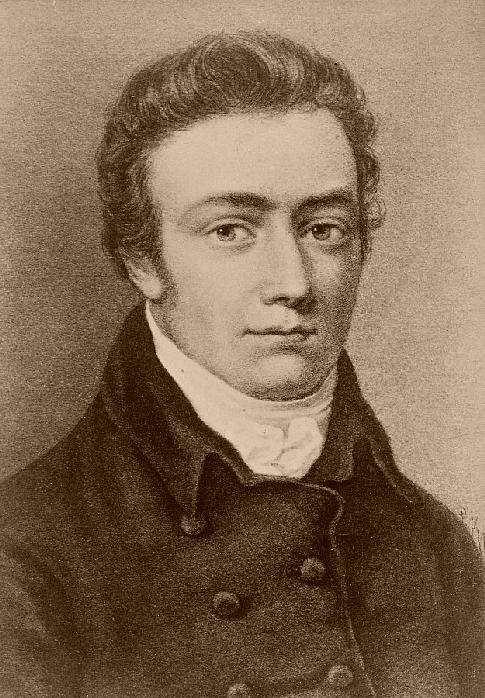
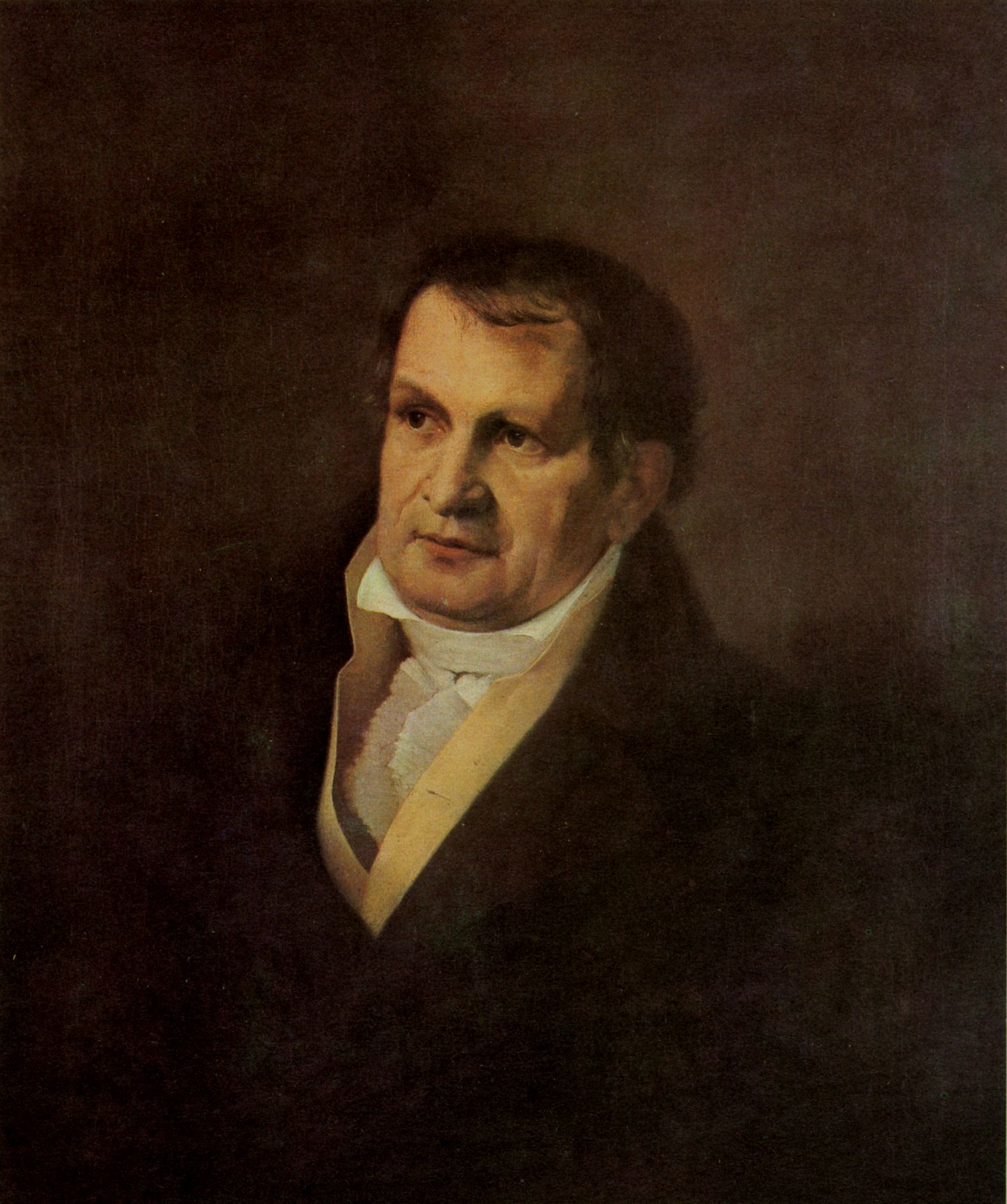
Johann Christian Günther
Johann Christian Günther was a German poet whose work is often associated with the early Baroque period. Born in 1695 in the city of Jena, he was educated at the University of Jena, where he began to develop his literary talents. Günther's poetry is characterized by its emotional depth and exploration of themes such as love, nature, and the human condition. His style reflects the influence of both classical and contemporary literary movements, making him a unique voice in German literature of his time. Despite his short life, which ended at the young age of 27, Günther produced a significant body of work, including his notable collection "Sämtliche Gedichte" (Complete Poems). His poetry often delved into personal and existential themes, showcasing a blend of melancholy and philosophical reflection. Günther's influence can be seen in the works of later German poets, and he is recognized for his contributions to the development of lyrical poetry in the German language. His legacy endures as a precursor to the Sturm und Drang movement, and he remains an important figure in the study of early modern German literature.
Famous Quotes
View all 1 quotes“Dein armer Dichter kommt schon wiederUnd fällt mit seiner Bürde niederUnd sieht dich, weil er sonst nichts kann,Mit Augen voller Schwermut an.Er hat kein Blut mehr zu den TränenUnd kann vor Schwachheit nicht mehr schrein,Mein Heiland, laß das stumme SehnenEin Opfer um Erbarmung sein!””

Link to this page
Add a free, dofollow link to Lex on your blog, forum, syllabus, or reading list.

<a href="https://lex-books.com/author/johann-christian-günther"><img src="https://lex-books.com/badges/read-on-lex.svg" alt="Johann Christian Günther on Lex" width="160" height="40"></a>[](https://lex-books.com/author/johann-christian-günther)[url=https://lex-books.com/author/johann-christian-günther][img]https://lex-books.com/badges/read-on-lex.svg[/img][/url]Johann Christian Günther on Lex: https://lex-books.com/author/johann-christian-günther