
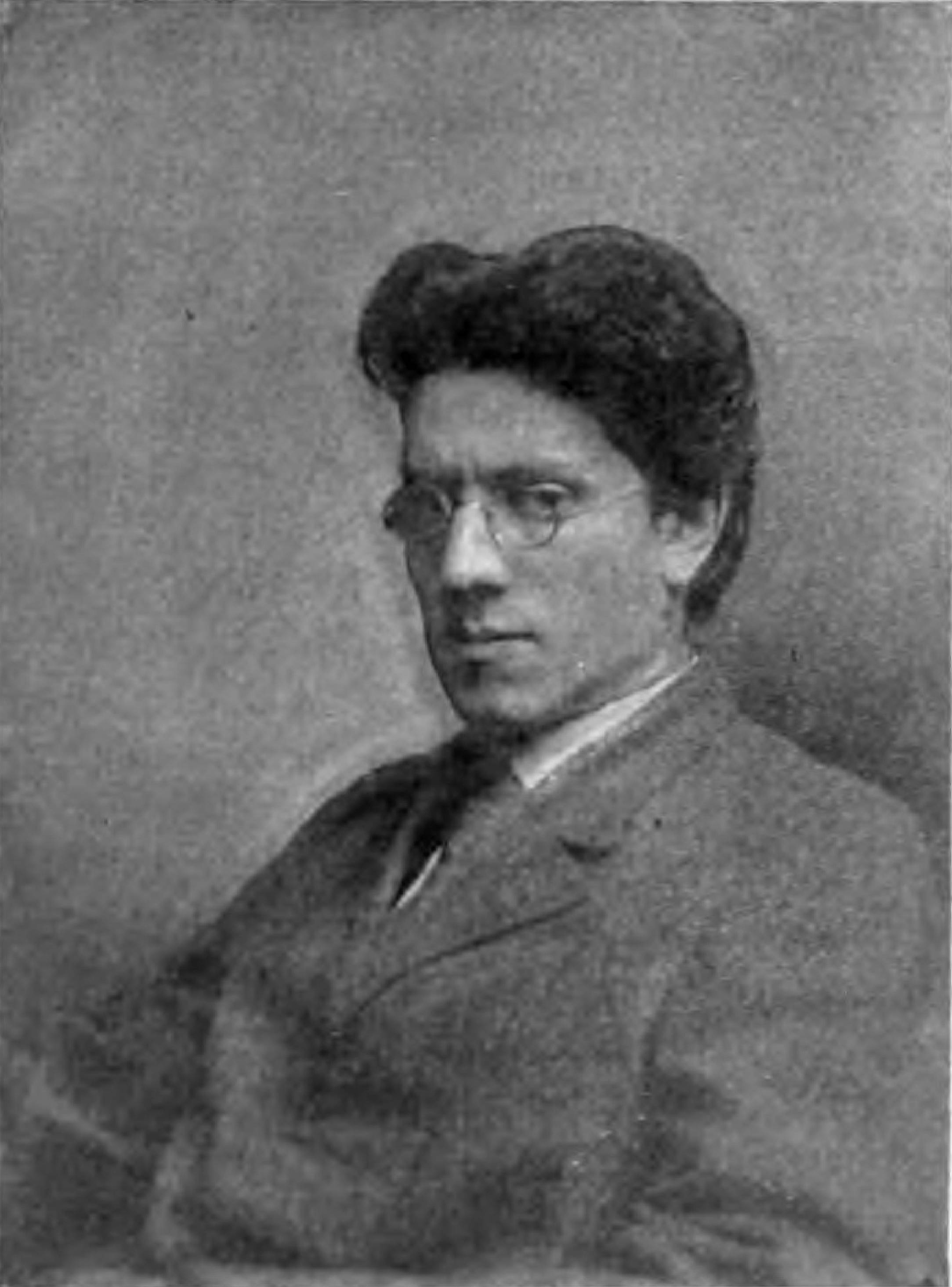
Jean Toomer
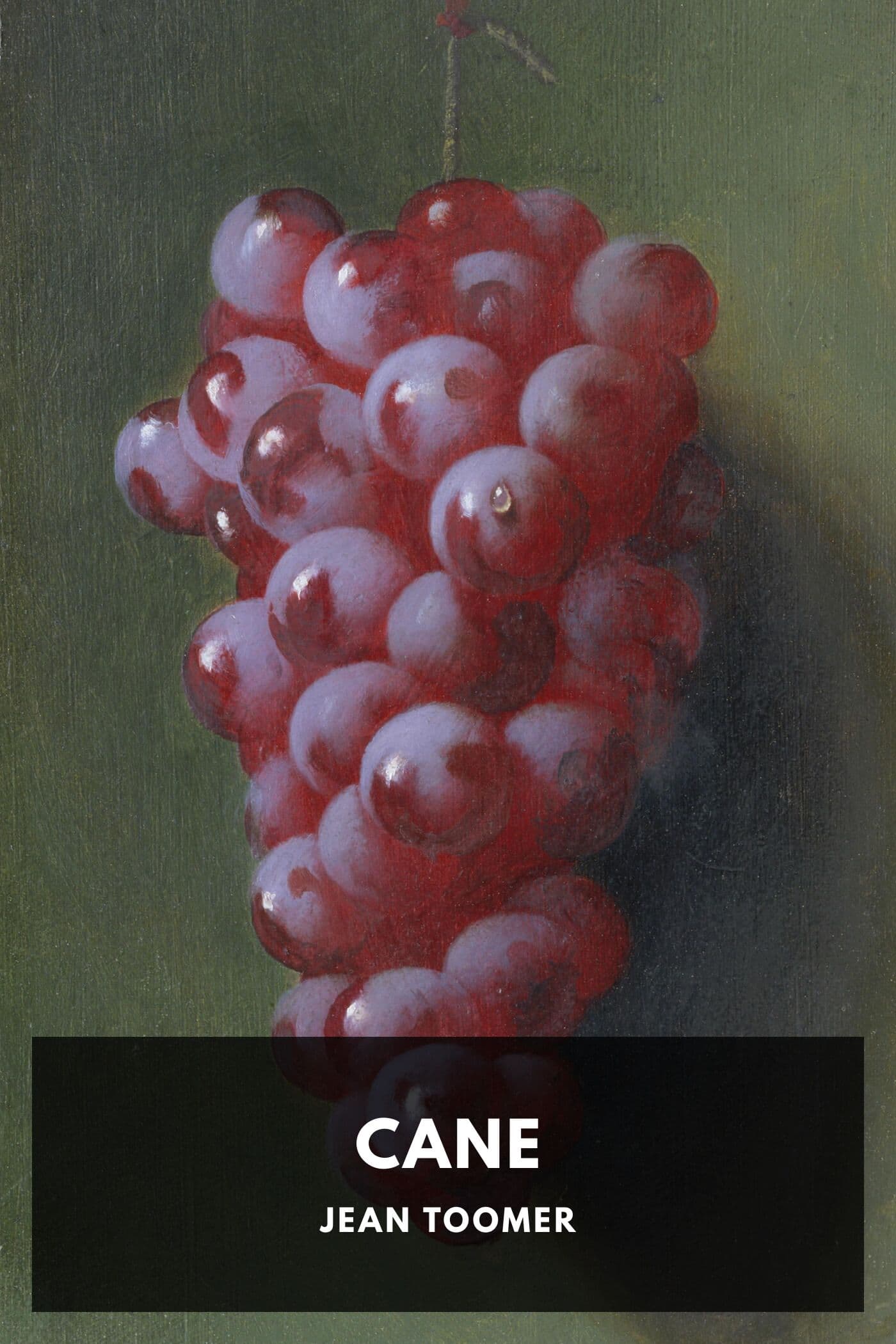
Jean Toomer, originally named Nathan Pinchback Toomer, was an influential American poet and novelist whose work is often linked to modernism and the Harlem Renaissance, despite his own resistance to such labels. His most notable work, the novel Cane (1923), emerged during his time as a school principal in rural Sparta, Georgia. This groundbreaking text weaves together the narratives of six women and features autobiographical elements, earning acclaim for its innovative style. Sociologist Charles S. Johnson hailed it as 'the most astonishingly brilliant beginning of any Negro writer of his generation,' highlighting Toomer's unique voice and perspective in American literature. Throughout his life, Toomer sought to transcend racial categorization, identifying himself simply as 'American.' His literary contributions extended beyond Cane, as he continued to write poetry, short stories, and essays. After experiencing personal tragedy with the death of his first wife shortly after childbirth, he remarried in 1934 and relocated to Doylestown, Pennsylvania. There, he embraced the Quaker faith and withdrew from public life, focusing on his spiritual journey and writing. Toomer's legacy endures through his innovative approach to narrative and identity, as well as his influence on subsequent generations of writers who grappled with similar themes of race and self-definition.
Famous Quotes
View all 3 quotes“Men are apt to idolize or fear that which they cannot understand, especially if it be a woman.”
“Thank everyone who calls out your faults, your anger, your impatience, your egotism; do this consciously, voluntarily.”
“We do not posses imagination enough to sense what we are missing.”
Books from the author






Link to this page
Add a free, dofollow link to Lex on your blog, forum, syllabus, or reading list.

<a href="https://lex-books.com/author/jean-toomer"><img src="https://lex-books.com/badges/read-on-lex.svg" alt="Jean Toomer on Lex" width="160" height="40"></a>[](https://lex-books.com/author/jean-toomer)[url=https://lex-books.com/author/jean-toomer][img]https://lex-books.com/badges/read-on-lex.svg[/img][/url]Jean Toomer on Lex: https://lex-books.com/author/jean-toomer