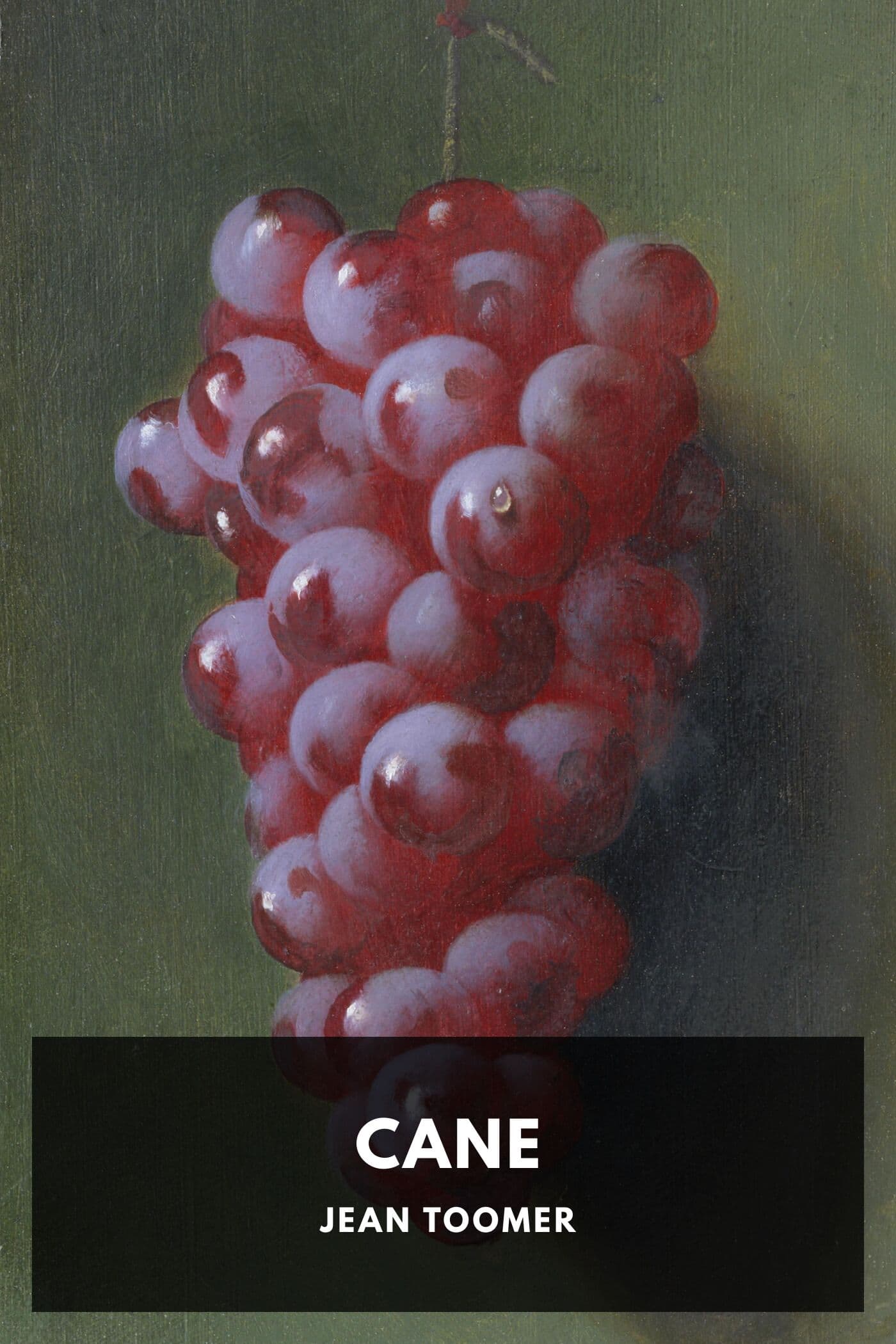
Cane
Jean Toomer's 1923 masterpiece, *Cane*, unfurls a kaleidoscopic vision of Black life in America, traversing the rural South and the burgeoning urban North. Through a daring mosaic of interconnected vignettes, poems, stories, and dramatic dialogues, Toomer crafts a lyrical exploration of identity, desire, and the enduring legacy of slavery. The narrative begins in the sun-drenched, often tragic, landscape of rural Georgia, focusing on the lives of Black women and the men who both adore and complicate them. It then shifts to the bustling Northern cities, capturing the experiences of Black Americans in the wake of the Great Migration, before returning to the South for a poignant confrontation between Northern and Southern Black sensibilities. More than a century later, *Cane* remains a foundational text, not just of the Harlem Renaissance, but of American modernism itself. Toomer's experimental sensibility, blending the raw power of African-American spirituals with the avant-garde spirit of his contemporaries, forged a new literary language. Its fragmented structure mirrors the fractured identities and experiences it portrays, resonating with a timeless urgency. To read *Cane* is to encounter a work of profound beauty and heartbreak, a testament to the enduring human spirit and a vital bridge between past and present, whose influence continues to shape generations of writers, including Alice Walker, who declared she "could not possibly exist without it."
Editions


Link to this book
Add a free, dofollow link to Lex on your blog, forum, syllabus, or reading list.

<a href="https://lex-books.com/book/cane-199a58f3-b45d-4e90-a97d-ad4fecef72a4"><img src="https://lex-books.com/badges/read-on-lex.svg" alt="Read Cane by Jean Toomer free on Lex" width="160" height="40"></a>[](https://lex-books.com/book/cane-199a58f3-b45d-4e90-a97d-ad4fecef72a4)[url=https://lex-books.com/book/cane-199a58f3-b45d-4e90-a97d-ad4fecef72a4][img]https://lex-books.com/badges/read-on-lex.svg[/img][/url]Read Cane by Jean Toomer free on Lex: https://lex-books.com/book/cane-199a58f3-b45d-4e90-a97d-ad4fecef72a4Cite this book
Reading this edition for a paper or guide? Copy a citation.
Toomer, Jean. Cane. Lex, lex-books.com/book/cane-199a58f3-b45d-4e90-a97d-ad4fecef72a4.Toomer, J. (n.d.). Cane. Lex. https://lex-books.com/book/cane-199a58f3-b45d-4e90-a97d-ad4fecef72a4Toomer, Jean. Cane. Lex. https://lex-books.com/book/cane-199a58f3-b45d-4e90-a97d-ad4fecef72a4.