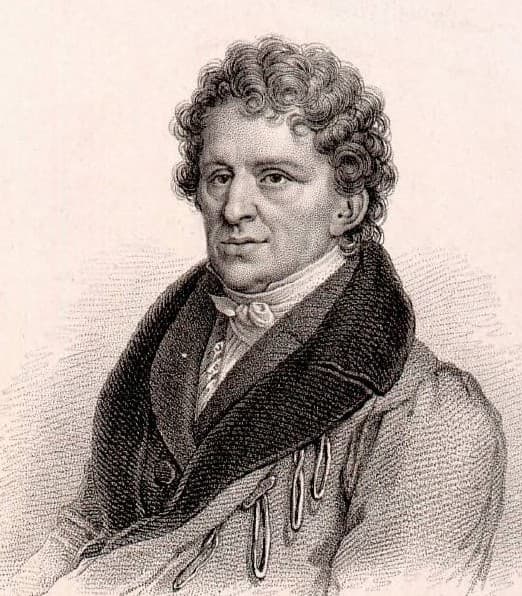
Jean Nicolas Bouilly
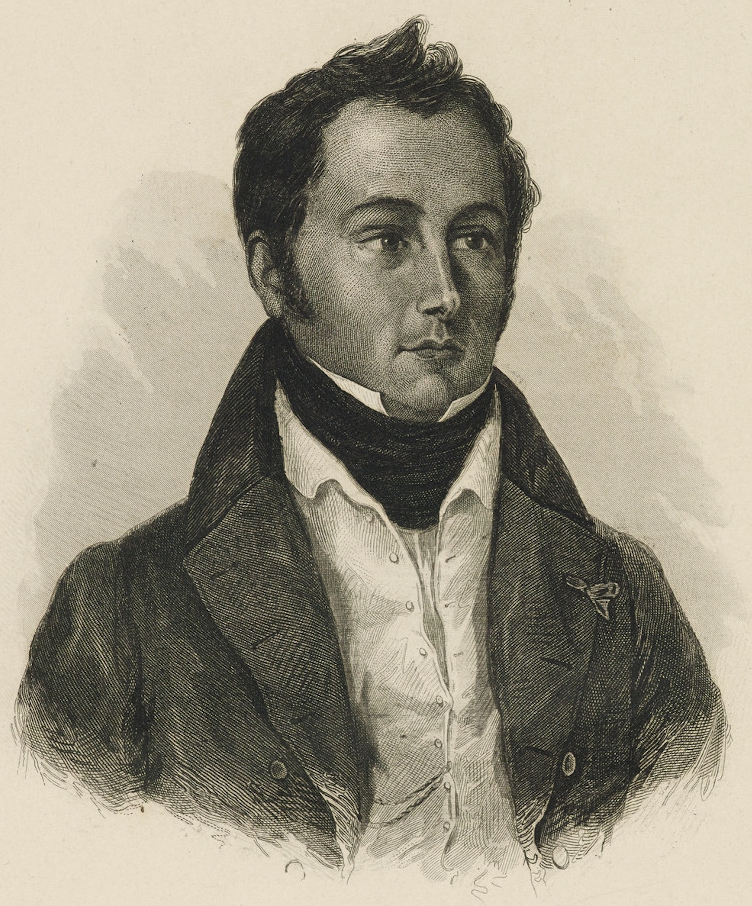
Jean-Nicolas Bouilly was a prominent French playwright and librettist, whose works contributed significantly to the theatrical landscape of the early 19th century. Born in 1763, he became well-known for his ability to weave compelling narratives that often reflected the tumultuous political climate of his time. Bouilly's most notable achievement was his libretto for the opera 'Fidelio,' which tells the story of a woman who disguises herself as a man to rescue her husband from prison. This powerful narrative not only captivated audiences but also inspired Ludwig van Beethoven, who adapted it into his only opera, further cementing Bouilly's legacy in the world of music and drama. In addition to 'Fidelio,' Bouilly's contributions to children's literature and his involvement in the political sphere during the French Revolution marked him as a multifaceted figure of his era. His works often explored themes of heroism and sacrifice, resonating with the revolutionary spirit of the time. Bouilly's influence extended beyond his lifetime, as his stories and characters continued to inspire adaptations in various artistic forms, showcasing his enduring impact on both literature and opera. His ability to blend personal narratives with broader social themes established him as a key figure in the evolution of French theatrical tradition.
Books from the author


Link to this page
Add a free, dofollow link to Lex on your blog, forum, syllabus, or reading list.

<a href="https://lex-books.com/author/jean-nicolas-bouilly"><img src="https://lex-books.com/badges/read-on-lex.svg" alt="Jean Nicolas Bouilly on Lex" width="160" height="40"></a>[](https://lex-books.com/author/jean-nicolas-bouilly)[url=https://lex-books.com/author/jean-nicolas-bouilly][img]https://lex-books.com/badges/read-on-lex.svg[/img][/url]Jean Nicolas Bouilly on Lex: https://lex-books.com/author/jean-nicolas-bouilly