Jean Baptiste Henri Savigny
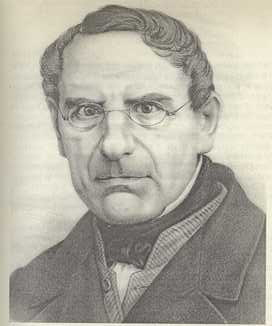
Jean Baptiste Henri Savigny was a French naval officer and explorer, best known for his vivid accounts of maritime adventures and the human condition in extreme circumstances. His most notable work, 'Narrative of a Voyage to Senegal in 1816,' details a harrowing journey undertaken by order of the French government. This narrative not only chronicles the shipwreck of the Medusa but also the subsequent sufferings of the crew and their desperate struggle for survival on a makeshift raft. Savigny's firsthand observations provide a unique perspective on the challenges faced by explorers and the harsh realities of life at sea during the early 19th century. In addition to his gripping storytelling, Savigny contributed valuable insights into the agriculture of the Western African coast, reflecting his broader interests in natural history and the socio-economic conditions of the regions he explored. His work is significant not only for its dramatic recounting of survival against the odds but also for its contributions to the understanding of colonial encounters in Africa. Savigny's legacy endures as a testament to the complexities of exploration, human endurance, and the often-overlooked narratives of those who lived through such tumultuous events.
Books from the author







Link to this page
Add a free, dofollow link to Lex on your blog, forum, syllabus, or reading list.

<a href="https://lex-books.com/author/jean-baptiste-henri-savigny"><img src="https://lex-books.com/badges/read-on-lex.svg" alt="Jean Baptiste Henri Savigny on Lex" width="160" height="40"></a>[](https://lex-books.com/author/jean-baptiste-henri-savigny)[url=https://lex-books.com/author/jean-baptiste-henri-savigny][img]https://lex-books.com/badges/read-on-lex.svg[/img][/url]Jean Baptiste Henri Savigny on Lex: https://lex-books.com/author/jean-baptiste-henri-savigny