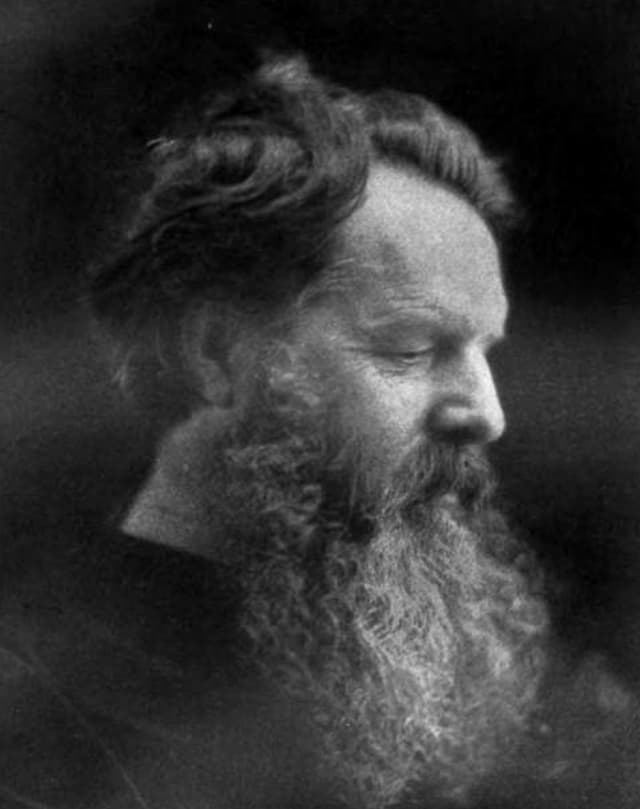
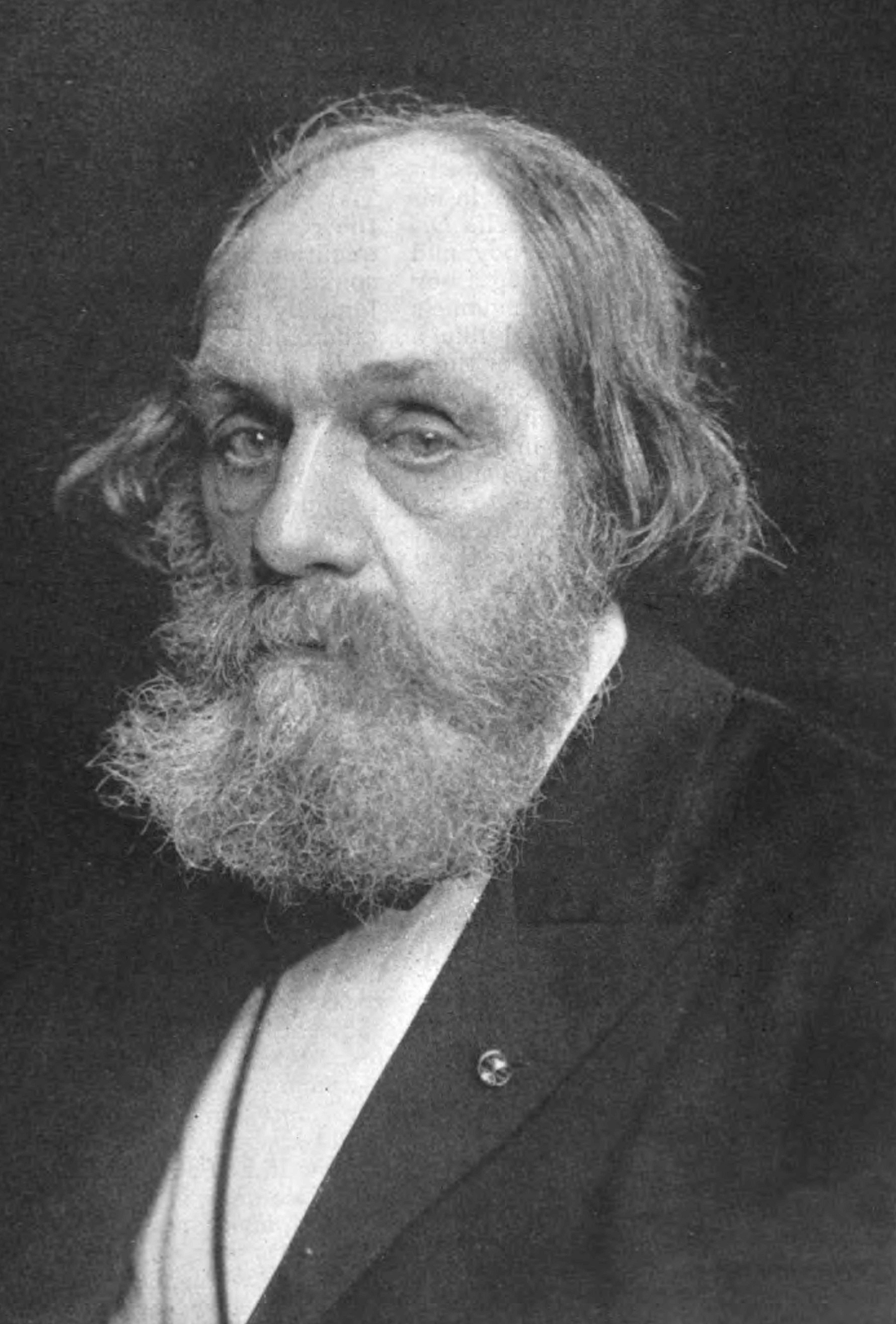
James Thomas Fields
James Thomas Fields was an influential American publisher, editor, and poet, known for his significant contributions to the literary landscape of 19th century Boston. He co-founded the esteemed publishing house Ticknor and Fields, which became a beacon for many prominent authors of the time, including Nathaniel Hawthorne, Louisa May Alcott, and Henry James. Fields played a crucial role in shaping the careers of these writers, providing them with a platform to reach broader audiences and fostering a vibrant literary community. In addition to his work in publishing, Fields was also a poet, though his literary output is often overshadowed by his editorial and publishing achievements. His poetry reflected the Romantic ideals of his time, and he was known for his ability to connect with both readers and writers alike. Fields' legacy endures not only through the works he published but also through his influence on the literary culture of his era, making him a pivotal figure in American literature during a time of great change and innovation.
Famous Quotes
View all 2 quotes“They stood in a vast courtyard several times the size of a football field, surrounded by four enormous walls made of gray stone and covered in spots with thick ivy. The walls had to be hundreds of feet high and formed a perfect square around them, each side split in the exact middle by an opening as tall as the walls themselves that, from what Thomas could see, led to passages and long corridors beyond.””
“By having the self-confidence to apply the methods of scientific inquiry to human situations, they developed several new scholarly fields. In his magisterial study of the Enlightenment, Peter Gay states that Montesquieu invented sociology in The Spirit of Laws, that Edward Gibbon founded the modern writing of history with The History of the Decline and Fall of the Roman Empire, and that Adam Smith did the same for economics with The Wealth of Nations.57 (Xenophon’s Oeconomicus might from its title appear to claim to be a foundational document, but it really is about how to manage a household, which is what the word means in Greek.)58 Gay does not mention it, but Hume’s essay on “The Populousness of Ancient Nations” also was an early venture into creating the field of demography. Another Scot, James Hutton, came up with an astonishing new way to think about time, and so invented modern geology, a subject to which we will return. It is noteworthy that several of these innovative scholarly ventures”
Books from the author




Link to this page
Add a free, dofollow link to Lex on your blog, forum, syllabus, or reading list.

<a href="https://lex-books.com/author/james-thomas-fields"><img src="https://lex-books.com/badges/read-on-lex.svg" alt="James Thomas Fields on Lex" width="160" height="40"></a>[](https://lex-books.com/author/james-thomas-fields)[url=https://lex-books.com/author/james-thomas-fields][img]https://lex-books.com/badges/read-on-lex.svg[/img][/url]James Thomas Fields on Lex: https://lex-books.com/author/james-thomas-fields