James King
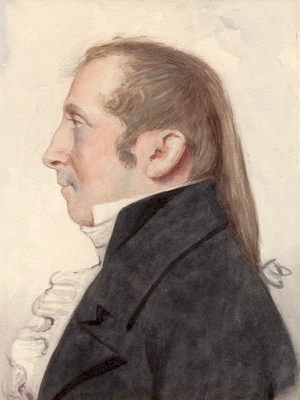
James King, 4th Baron Kingston, was a notable British peer and influential freemason during the early 18th century. His tenure as Grand Master of the Premier Grand Lodge of England from 1728 to 1730 marked a significant period in the history of Freemasonry, as he played a crucial role in shaping the organization and its practices. King's leadership contributed to the establishment of a more structured and formalized approach to Freemasonry, which helped to solidify its place in British society. While not primarily known for literary contributions, King's involvement in Freemasonry and his status as a peer placed him at the intersection of social and cultural developments of his time. His legacy is intertwined with the growth of Freemasonry as a social institution, influencing the networks of power and philanthropy in 18th-century England. Though his life was relatively short, his impact on the Masonic community and the aristocracy of his era remains noteworthy, highlighting the importance of social organizations in shaping cultural and political landscapes.
Books from the author


Link to this page
Add a free, dofollow link to Lex on your blog, forum, syllabus, or reading list.

<a href="https://lex-books.com/author/james-king"><img src="https://lex-books.com/badges/read-on-lex.svg" alt="James King on Lex" width="160" height="40"></a>[](https://lex-books.com/author/james-king)[url=https://lex-books.com/author/james-king][img]https://lex-books.com/badges/read-on-lex.svg[/img][/url]James King on Lex: https://lex-books.com/author/james-king