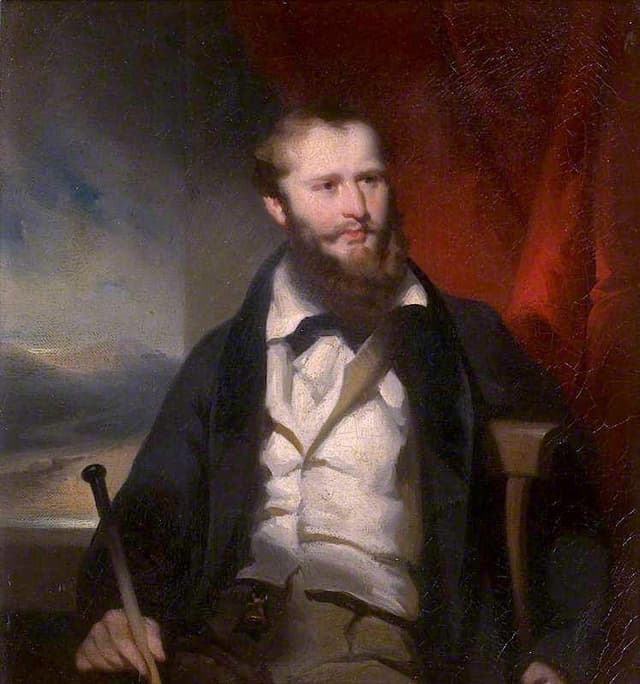
James Holman
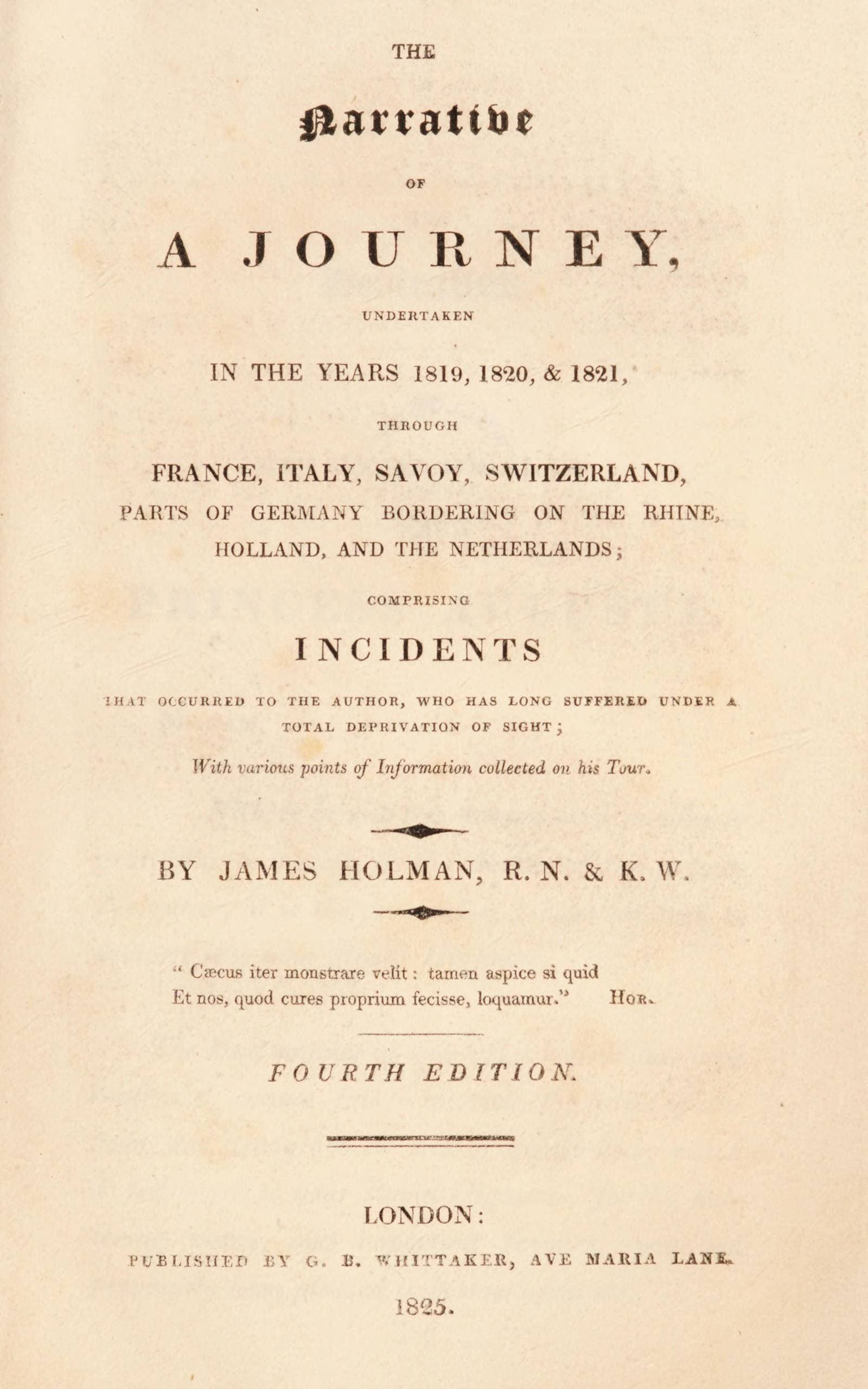
James Holman, known as the 'Blind Traveller,' was a remarkable British adventurer and author whose life was defined by his extraordinary journeys despite his blindness. Born in 1786, Holman lost his sight due to an illness in his youth, yet this did not deter him from exploring the world. He developed a unique method of navigation through 'human echolocation,' allowing him to undertake solo travels that were unprecedented in both their scope and ambition. His travels took him across various continents, making him the first blind person to circumnavigate the globe in 1832. By the time he completed his journeys, he had visited every inhabited continent, earning him acclaim as one of the most accomplished travelers of his time. Holman's writings, which include works such as 'The Narrative of a Journey' and 'The Travels of James Holman,' provided detailed accounts of his experiences and observations of the cultures he encountered. His ability to articulate the nuances of his travels offered a unique perspective on the world, challenging contemporary notions of disability and adventure. Holman's legacy endures as a testament to human resilience and the pursuit of knowledge, inspiring future generations to explore the world beyond their limitations. His contributions to travel literature and social observation remain significant, marking him as a pioneering figure in the realm of exploration and personal narrative.
Famous Quotes
View all 2 quotes“The passion for travelling is, I believe, instinctive in some natures. We have seen men persevere in their enterprises against the most formidable obstacles; and, without means or friends, and even ignorant of the languages of the various countries through which they passed, pursue their perilous journeys into remote places, until, like the knight in the Arabian tale, they succeeded in snatching a memorial from every shrine they visited.”
“Illness is merely the bitter, which a wise Providence mingles in the cup of life.”
Books from the author



Link to this page
Add a free, dofollow link to Lex on your blog, forum, syllabus, or reading list.

<a href="https://lex-books.com/author/james-holman"><img src="https://lex-books.com/badges/read-on-lex.svg" alt="James Holman on Lex" width="160" height="40"></a>[](https://lex-books.com/author/james-holman)[url=https://lex-books.com/author/james-holman][img]https://lex-books.com/badges/read-on-lex.svg[/img][/url]James Holman on Lex: https://lex-books.com/author/james-holman