James F. Downs
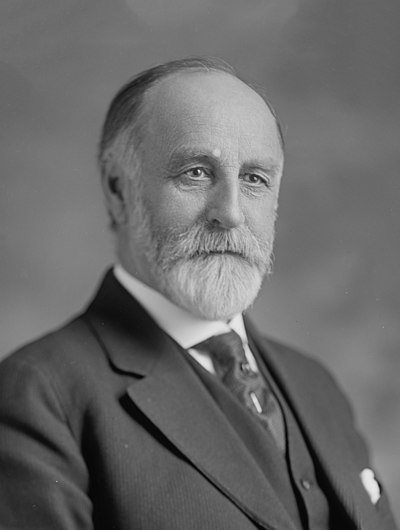
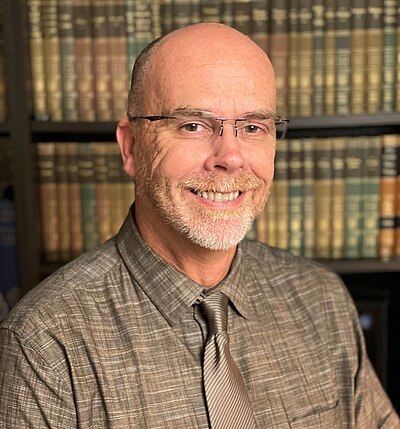
James F. Downs was an influential American anthropologist and author, best known for his scholarly work on Native American religions, particularly the Washo people of Nevada and California. His seminal book, 'Washo Religion,' published in 1966, provided an in-depth analysis of the spiritual beliefs and practices of the Washo tribe, offering valuable insights into their cultural identity and worldview. Downs' meticulous research and ethnographic approach helped to preserve and document the rich traditions of the Washo, contributing significantly to the field of anthropology and the understanding of indigenous spirituality in North America. Throughout his career, Downs was dedicated to the study of Native American cultures, emphasizing the importance of respecting and understanding their unique perspectives. His work not only highlighted the complexities of Washo religious practices but also served as a critique of the broader societal attitudes towards indigenous peoples. By bringing attention to the Washo's spiritual heritage, Downs played a crucial role in fostering appreciation for their traditions and advocating for their cultural preservation. His legacy endures in the ongoing efforts to recognize and honor the rich tapestry of Native American religions and their contributions to the cultural landscape of the United States.
Famous Quotes
View all 5 quotes“Mothers of normal children teach them about the realities of life by introducing them to frustration experiences in carefully measured doses that gradually dispel the notion that the fused “grandiose child-omnipotent mother” entity can go on forever. They deflate their children’s feelings of grandeur and bring them down to earth. The mother of the future narcissistic personality never dispels this notion. Thus, the fused, symbiotic relationship endures, and the child grows to adulthood perceiving himself just as omnipotent and grandiose as he was as a child.””
“Section four people who don’t under stand homophones If ewe due naught no watt a homophone is, eye well X plane. Homophones R words, that win herd, sound the same, butt R naught spelt the same and mien differ rent things. Watt eye yam saying hear is that the English language ran out of words and had two reuse a phew. If some one is reading this too ewe rite now than it mite seam grate, butt just no that the purse son who reeds this is half-ing a reel pane full thyme. If ewe half know clew how two spell some thing and you’re teacher tells ewe two spell it buy “sounding it out,” ask hymn ab out home a phones, cause if the “sound ding it out” method was a hole lot moor ack U rate oar bet her than guess sing, wood home F owns X cyst? Ewe sea, hoe Moe phones own Lee X cyst sew you’re tea chair has a ree sun too mark down you’re pay purse. All so sew ewe sound like ewe half Ben drink king when ewe send text mess ages you sing voice two text. Two bee fare, English spell ling never maid much scents too beg in with.””
“Let us reflect on the brief life of a bit””
Books from the author


Link to this page
Add a free, dofollow link to Lex on your blog, forum, syllabus, or reading list.

<a href="https://lex-books.com/author/james-f-downs"><img src="https://lex-books.com/badges/read-on-lex.svg" alt="James F. Downs on Lex" width="160" height="40"></a>[](https://lex-books.com/author/james-f-downs)[url=https://lex-books.com/author/james-f-downs][img]https://lex-books.com/badges/read-on-lex.svg[/img][/url]James F. Downs on Lex: https://lex-books.com/author/james-f-downs