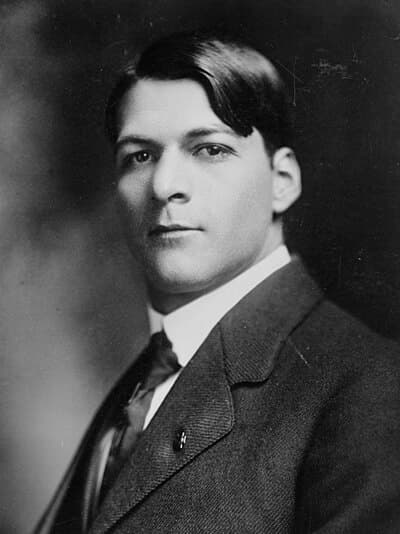
Sydney Anderson
Sydney Anderson was a prominent American politician and a key figure in the Progressive movement during the early 20th century. Born in Zumbrota, Minnesota, he served as a private in the Minnesota Volunteer Infantry during the Spanish-American War before pursuing a career in law. After completing his education at Highland Park College and the University of Minnesota, Anderson established his legal practice in Minnesota. His political career began in earnest when he defeated the incumbent James Albertus Tawney in the 1910 Republican primary, gaining support from notable Progressive leaders such as Theodore Roosevelt and Gifford Pinchot. As a congressman, Anderson served multiple terms from 1911 to 1925, representing Minnesota in the U.S. House of Representatives. He was known for his advocacy of reduced tariffs and his opposition to the political practices of Speaker Joseph Gurney Cannon, which he viewed as detrimental to the Progressive agenda. His legislative efforts contributed to the shaping of early 20th-century American politics, particularly in the context of the Progressive movement's push for reform. Anderson's legacy lies in his role as a champion of Progressive ideals and his influence on the Republican Party during a transformative period in American history.
Books from the author




Link to this page
Add a free, dofollow link to Lex on your blog, forum, syllabus, or reading list.

<a href="https://lex-books.com/author/sydney-anderson"><img src="https://lex-books.com/badges/read-on-lex.svg" alt="Sydney Anderson on Lex" width="160" height="40"></a>[](https://lex-books.com/author/sydney-anderson)[url=https://lex-books.com/author/sydney-anderson][img]https://lex-books.com/badges/read-on-lex.svg[/img][/url]Sydney Anderson on Lex: https://lex-books.com/author/sydney-anderson