James Edward Austen-Leigh
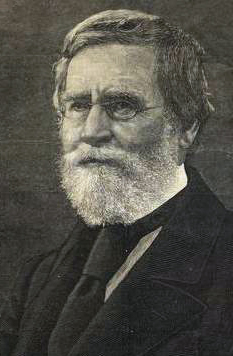
James Edward Austen-Leigh was an English clergyman and biographer, best known for his work on the life and writings of his aunt, the renowned novelist Jane Austen. Born into a family deeply connected to literature, he was the son of Jane Austen's brother, Edward Austen. His most significant contribution to literature is 'A Memoir of Jane Austen,' published in 1869, which provided readers with an intimate glimpse into the life of one of England's most beloved authors. This memoir not only chronicled Jane's life but also offered insights into her personality and the social context in which she wrote, thus enriching the understanding of her literary legacy. Austen-Leigh's efforts were pivotal in preserving Jane Austen's reputation during a time when her works were not as widely recognized as they are today. His memoir played a crucial role in reviving interest in her novels, leading to a resurgence of her popularity in the late 19th and early 20th centuries. By highlighting her wit, keen observations of society, and the depth of her characters, Austen-Leigh helped to establish Jane Austen as a significant figure in English literature, influencing generations of readers and writers alike. Today, James Edward Austen-Leigh is remembered not only as Jane Austen's biographer but also as a key figure in the preservation and promotion of her literary legacy.
Famous Quotes
View all 3 quotes“All persons who undertake to narrate from hearsay things which are supposed to have taken place before they were born are liable to error, and are apt to call in imagination to the aid of memory: and hence it arises that many a fancy piece has been substituted for genuine history.”
“Her reward was not to be the quick return of the cornfield, but the slow growth of the tree which is to endure to another generation”
“It has been said that the happiest individuals, like nations during their happiest periods, have no history. In the case of my aunt, it was not only that her course of life was unvaried, but that her own disposition was remarkably calm and even.”
Books from the author
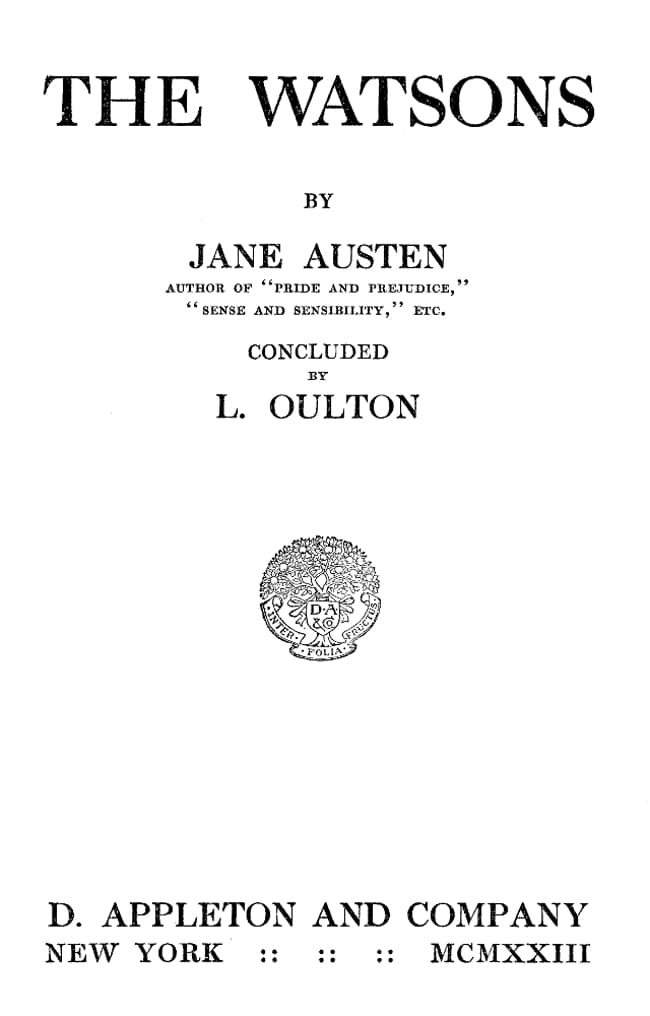

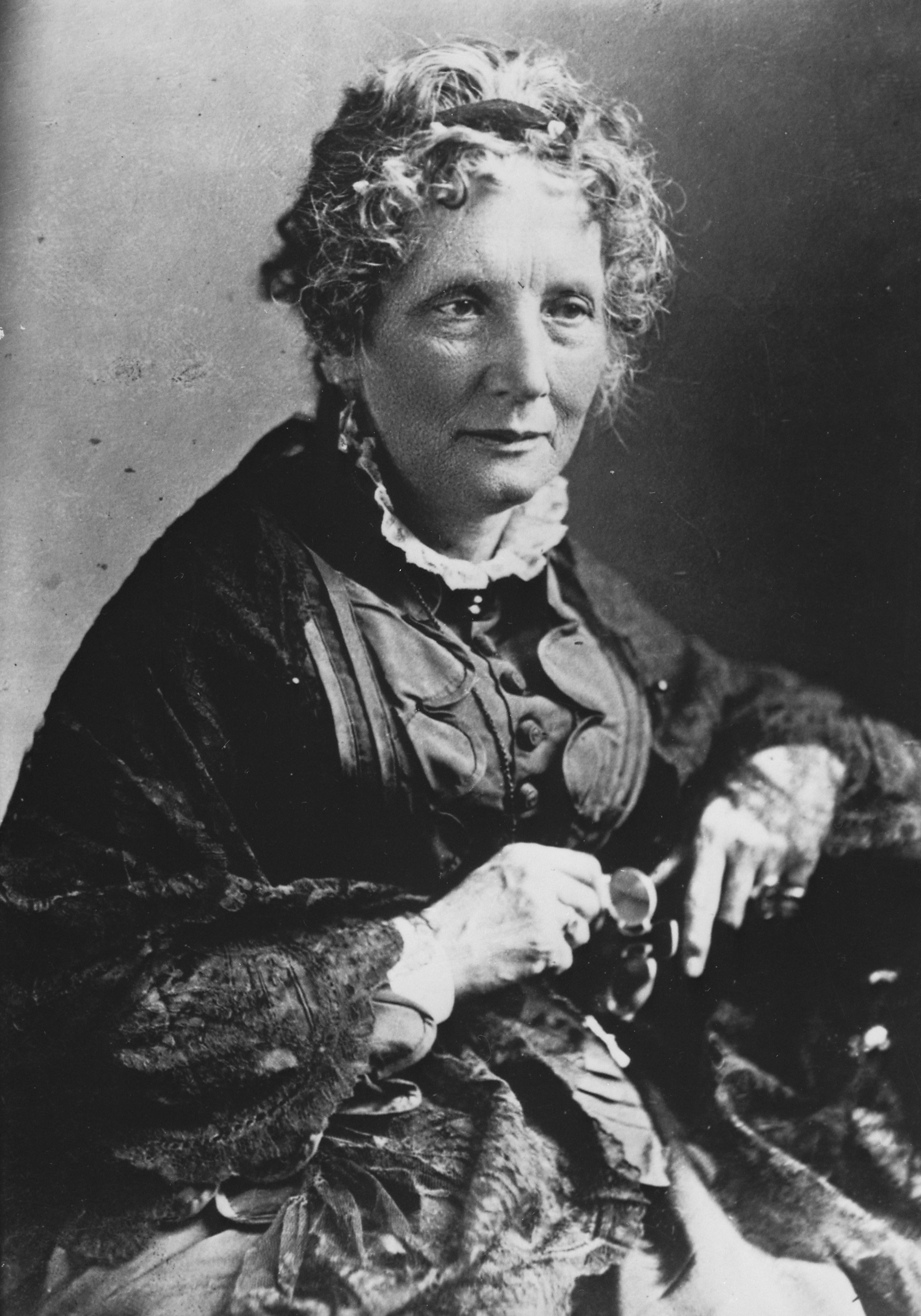
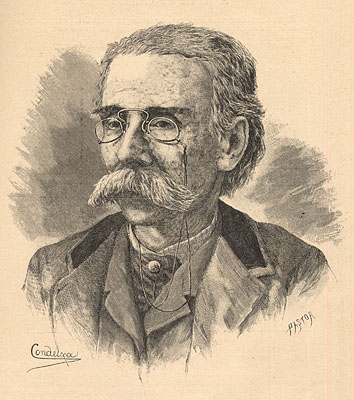
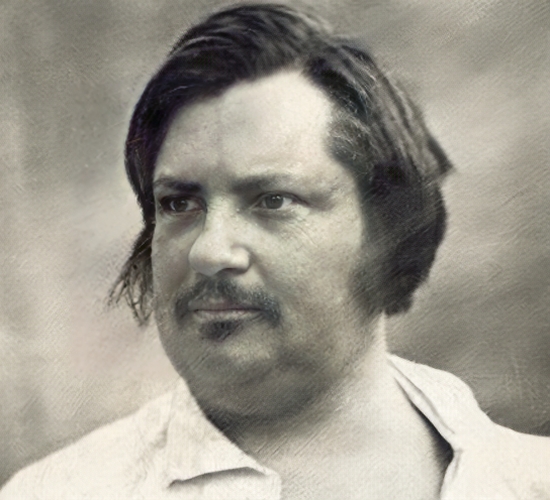


Link to this page
Add a free, dofollow link to Lex on your blog, forum, syllabus, or reading list.

<a href="https://lex-books.com/author/james-edward-austen-leigh"><img src="https://lex-books.com/badges/read-on-lex.svg" alt="James Edward Austen-Leigh on Lex" width="160" height="40"></a>[](https://lex-books.com/author/james-edward-austen-leigh)[url=https://lex-books.com/author/james-edward-austen-leigh][img]https://lex-books.com/badges/read-on-lex.svg[/img][/url]James Edward Austen-Leigh on Lex: https://lex-books.com/author/james-edward-austen-leigh