
James Berry
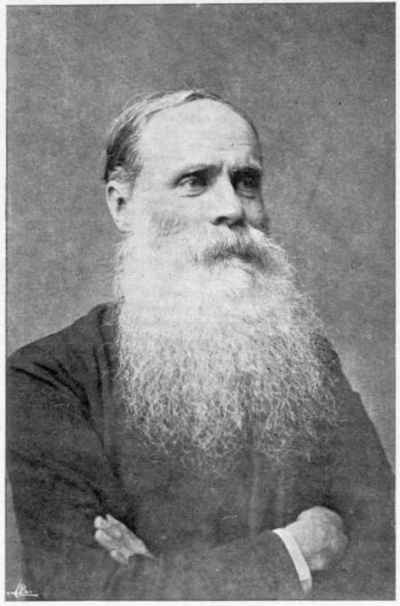
James Berry was a British author and executioner whose unique perspective on the human condition is vividly captured in his writings. He is best known for his controversial memoir, 'My Experiences as an Executioner,' which provides a chilling yet insightful account of his duties in the role of a hangman. Berry's work delves into the moral complexities and psychological toll of carrying out capital punishment, offering readers an unfiltered glimpse into a profession often shrouded in secrecy and stigma. Through his candid reflections, Berry not only chronicled the practicalities of his work but also engaged with broader themes of justice, morality, and the human psyche. His writings challenge societal perceptions of executioners, inviting readers to grapple with the ethical implications of their role in the justice system. Berry's legacy lies in his ability to humanize a figure typically viewed with disdain, prompting discussions about the nature of punishment and the value of life. His contributions remain significant in the context of literature that explores the darker facets of humanity and the complexities of moral responsibility.
Famous Quotes
View all 15 quotes“You may ask me, as others have done before, whether it was kindness or cruelty to allow them to meet, so soon before his departure, with so little time to discover each other. Whether the pangs of loss do not invalidate the bliss of love. Especially where war is concerned, and Death runs rampant with his bloody scythe. You may say that it was wicked of me to allow James to find Hazel, and Hazel, James, if three days were all they would have. I don’t call it cruelty. I do not apologize.””
“You're not really here, are you?" says James. "This is part of my madness?" "Does it matter?" asked Frank. "If it's madness telling you to marry that girl and be happy, whose advice would you rather have?””
“There was a time, in their flat, when the position of the piano meant that while James... saw only the left side of her face. She looked just like the girl he'd first seen at the parish dance in Poplar. But when a furniture rearrangement took place, on a whim, leaving Hazel's right side on display, James decided he liked that view even better. She was his, from every angle. The scars were a reminder that she came back””
Books from the author







Link to this page
Add a free, dofollow link to Lex on your blog, forum, syllabus, or reading list.

<a href="https://lex-books.com/author/james-berry"><img src="https://lex-books.com/badges/read-on-lex.svg" alt="James Berry on Lex" width="160" height="40"></a>[](https://lex-books.com/author/james-berry)[url=https://lex-books.com/author/james-berry][img]https://lex-books.com/badges/read-on-lex.svg[/img][/url]James Berry on Lex: https://lex-books.com/author/james-berry