Jacques Rivière
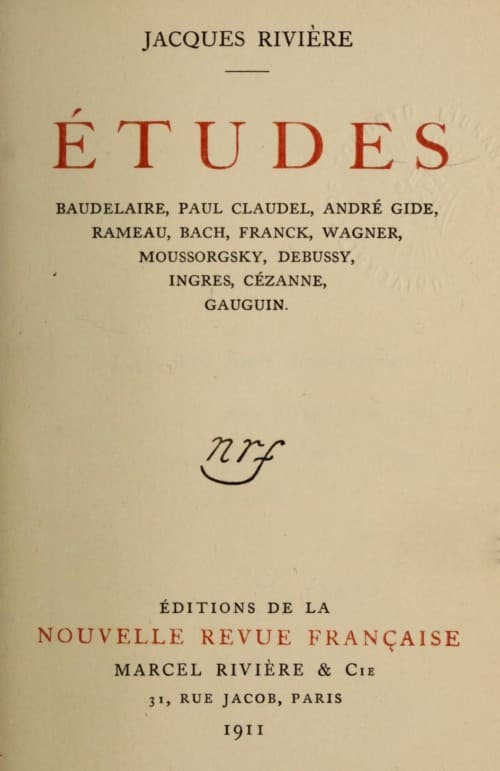
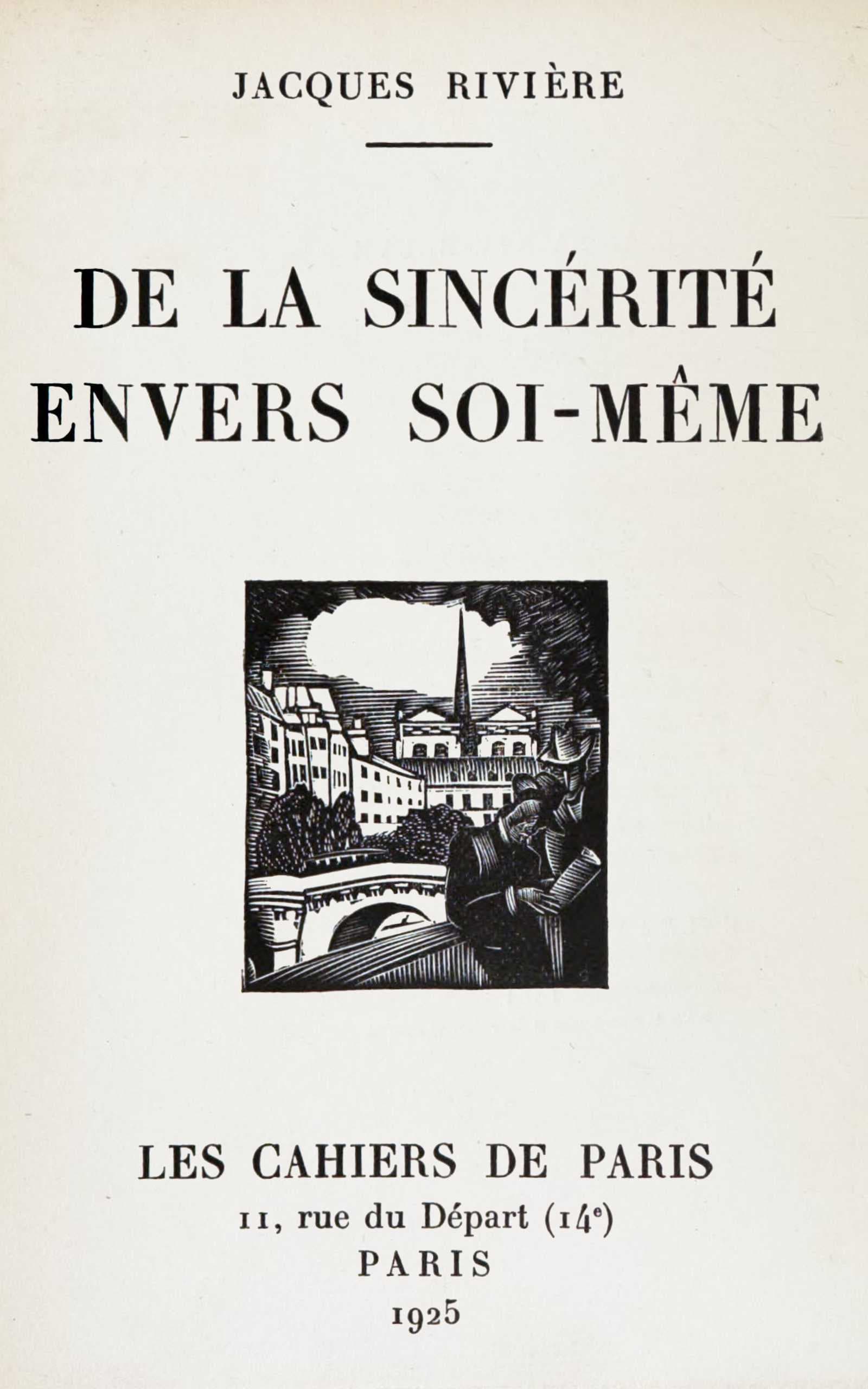
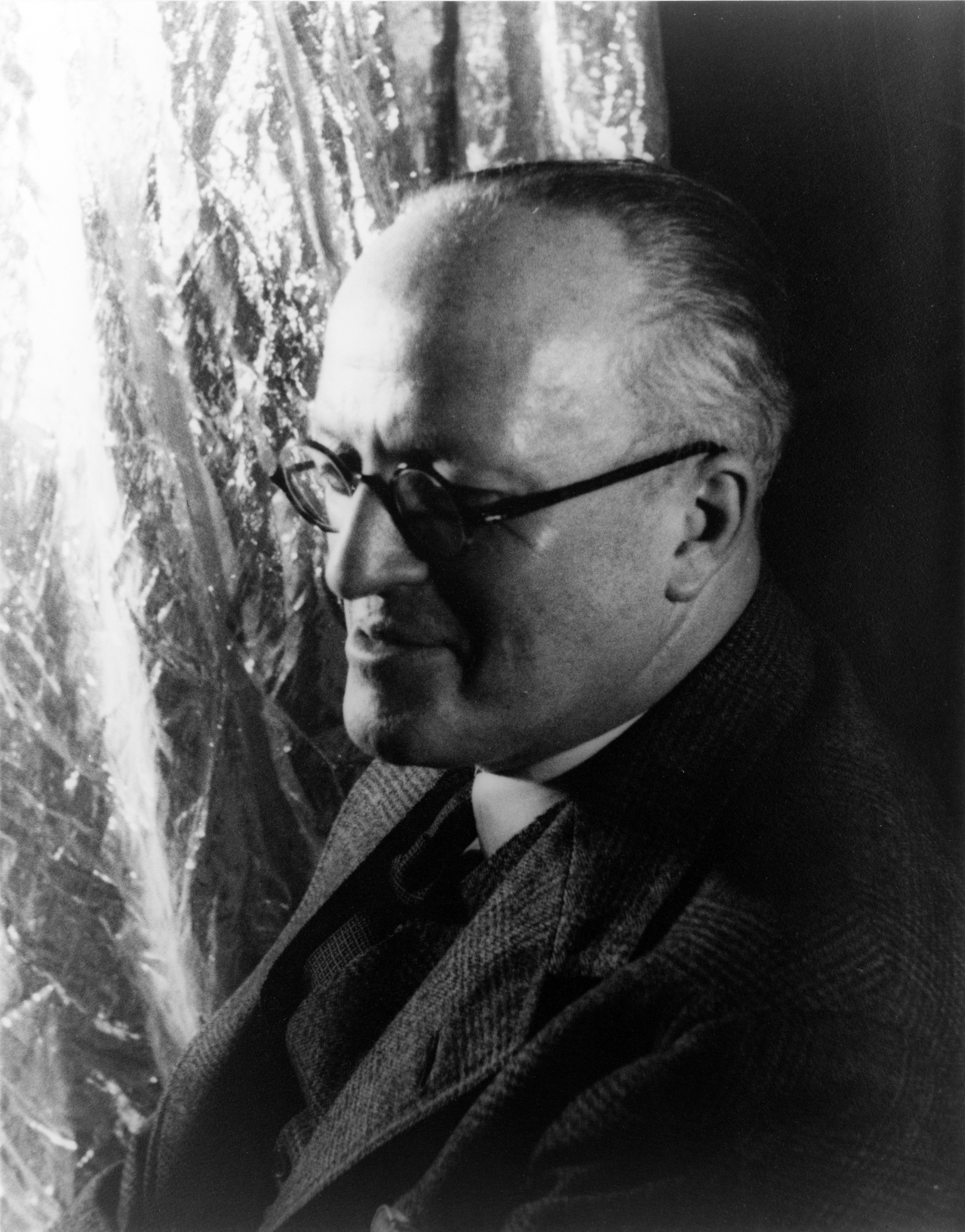
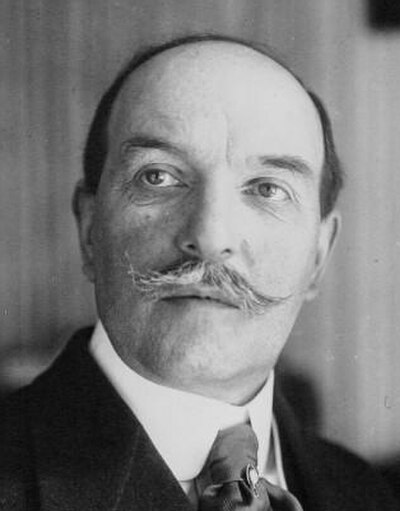
Jacques Rivière was a French writer, critic, and editor known for his influential role in the literary landscape of early 20th-century France. Born in 1886, he was a prominent figure in the literary movement that sought to explore the complexities of human experience through a modernist lens. Rivière's works often reflected his deep engagement with themes of identity, morality, and the human condition, showcasing his intellectual rigor and stylistic innovation. His notable works include 'Le Pèlerin de l'Inconnu' and 'Les Écrits de la guerre', which reveal his keen insights into the psychological and social ramifications of war and modernity. In addition to his fiction, Rivière was a significant literary critic and served as the editor of the influential literary magazine 'La Nouvelle Revue Française'. His editorial work helped to shape the careers of many prominent writers of his time, including André Gide and Paul Valéry. Rivière's commitment to literary excellence and his advocacy for modernist literature left a lasting impact on French literature, making him a key figure in the development of contemporary literary criticism. His untimely death in 1925 cut short a promising career, but his contributions continue to be recognized for their depth and relevance in understanding the evolution of modern literature.
Famous Quotes
View all 3 quotes“There is no absolute peril except for him who abandons himself; There is no complete death except for him who aquires a taste of dying.””
“As long as you allow your intellectual force to pour out into the absolute, it moves in eddies, its power is dissipated, it is exposed to predatory blasts that disorganize it; but as soon as it is brought back by anxiety to your own mind and you direct it to the enigmatic object close at hand, it condenses, intensifies, becomes useful and penetrating, and brings you positive treasures, to wit, truths that are expressed with all the relief that can make them communicable, accessible to others, hence something which transcends your suffering, your very existence, which broadens and consolidates you, which gives you the only reality that man can reasonably hope to conquer by his own powers, reality in others.””
“In a book published in 1664, the Governor of Trois-Rivières Pierre Boucher wrote: “People travel over the snow using a type of shoe made by the Savages known as ‘raquettes’ or snowshoes, and they are very helpful.” Canoes also become necessary for navigating the rivers and lakes. The coureurs de bois could never have developed the fur trade without using canoes and snowshoes.””
Books from the author






Link to this page
Add a free, dofollow link to Lex on your blog, forum, syllabus, or reading list.

<a href="https://lex-books.com/author/jacques-rivière"><img src="https://lex-books.com/badges/read-on-lex.svg" alt="Jacques Rivière on Lex" width="160" height="40"></a>[](https://lex-books.com/author/jacques-rivière)[url=https://lex-books.com/author/jacques-rivière][img]https://lex-books.com/badges/read-on-lex.svg[/img][/url]Jacques Rivière on Lex: https://lex-books.com/author/jacques-rivière