Lex

Browse

GenresShelvesPremiumBlog

Company

AboutJobsPartnersSell on LexAffiliates

Audio

Lex StudioVoicesFirst chapter freeAudiobook pricingAudiobook samplesAudiobook guidesAudio blog

Resources

DocsInvite FriendsFAQ

Legal

Terms of ServicePrivacy Policygeneral@lex-books.com+1 951-551-2243WhatsApp (international)

© 2026 LexBooks, Inc. All rights reserved.

J. Q. Howard

Famous Quotes

View all 2 quotes

“A peels an apple, while B kneels to God,C telephones to D, who has a handOn E’s knee, F coughs, G turns up the sodFor H’s grave, I do not understandBut J is bringing one clay pigeon downWhile K brings down a nightstick on L’s head,And M takes mustard, N drives to town,O goes to bed with P, and Q drops dead, R lies to S, but happens to be heardBy T, who tells U not to fire VFor having to give W the wordThat X is now deceiving Y with Z, Who happens, just now to remember A Peeling an apple somewhere far away.””

“As odd as it may seem, there also are constructive uses of biases against certain groups (Q2 in figure 1.1). They can benefit us in many ways. We determine that people who have aggressive personality types might not be the best fit for a customer service job. Or that people who don’t have certain technology skills and background won’t be a good match for a job that requires computer proficiency. If we didn’t have these filters, hiring would be almost oppressive, because we would start with a huge number of résumés and have to look at all of them more carefully than time might allow. I know that many people would say those are “qualifications,” and that looking for qualifications is not the same as having biases. In fact, qualifications are simply biases that we have agreed upon and codified. There are hundreds of examples of people who have performed in extraordinary ways who do not have the normal qualifications for their roles. If qualifications were the only measure of success, than college dropouts such as Steve Jobs and Bill Gates would still be unknown. However, understandably, we have determined that while there are occasional creative eccentrics like Jobs and Gates, it just doesn’t make good sense to look at 150 résumés and not take education into account. So we use biases against the lack of those characteristics to “filter out” certain people who we might have determined are not a good fit for the job.””

Everyday Bias: Identifying and Navigating Unconscious Judgments in Our Daily Lives

Books from the author

right arrow

The Life,PublicServices andSelect...

J. Q. Howard

More authors like this

right arrow
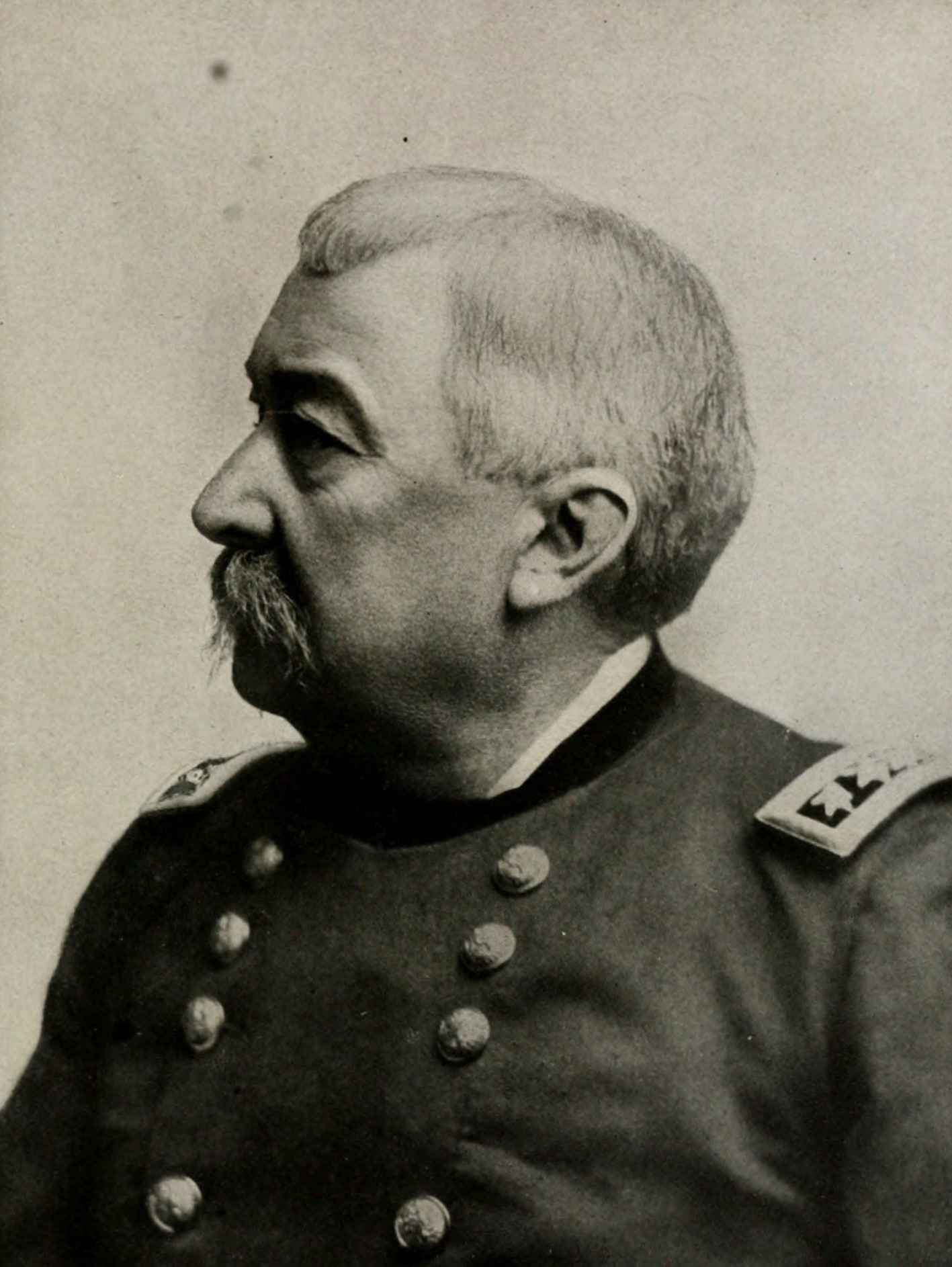
Philip Henry Sheridan
1831-1888
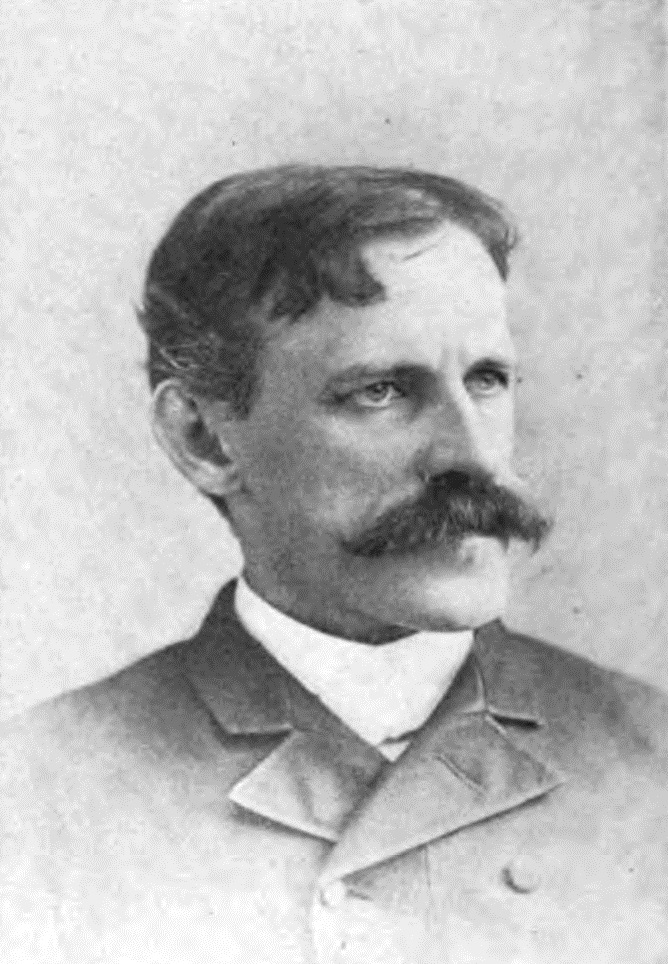
William Elliot Griffis
1843-1928
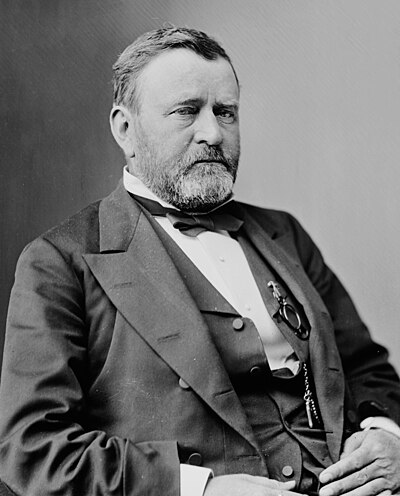
Ulysses S. Grant
Ulysses S. Grant
1822-1885
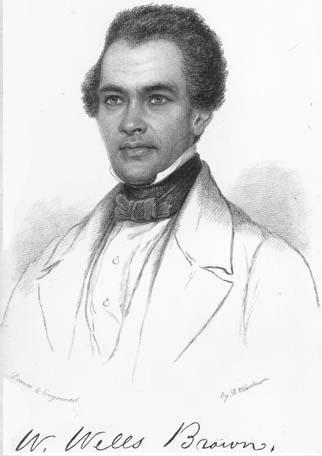
William Wells Brown
William Wells Brown
1814-1884
Abraham Lincoln
Abraham Lincoln
1809-1865
John S. C. Abbott
John S. C. Abbott
1805-1877
Samuel G. Goodrich
Samuel G. Goodrich
1793-1860
John Burroughs
John Burroughs
1837-1921
Henry Adams
Henry Adams
1838-1918
John Morley
John Morley
1838-1923
John Muir
John Muir
1838-1914
Charles Morris
Charles Morris
1833-1922
George Cary Eggleston
1839-1911
Robert Green Ingersoll
1833-1899
Samuel Adams Drake
Samuel Adams Drake
1833-1905
A. T. Mahan
A. T. Mahan
1840-1914

Link to this page

Add a free, dofollow link to Lex on your blog, forum, syllabus, or reading list.

J. Q. Howard on Lex
HTML
<a href="https://lex-books.com/author/j-q-howard"><img src="https://lex-books.com/badges/read-on-lex.svg" alt="J. Q. Howard on Lex" width="160" height="40"></a>
Markdown
[![J. Q. Howard on Lex](https://lex-books.com/badges/read-on-lex.svg)](https://lex-books.com/author/j-q-howard)
BBCode
[url=https://lex-books.com/author/j-q-howard][img]https://lex-books.com/badges/read-on-lex.svg[/img][/url]
Plain link
J. Q. Howard on Lex: https://lex-books.com/author/j-q-howard