J. Maxwell
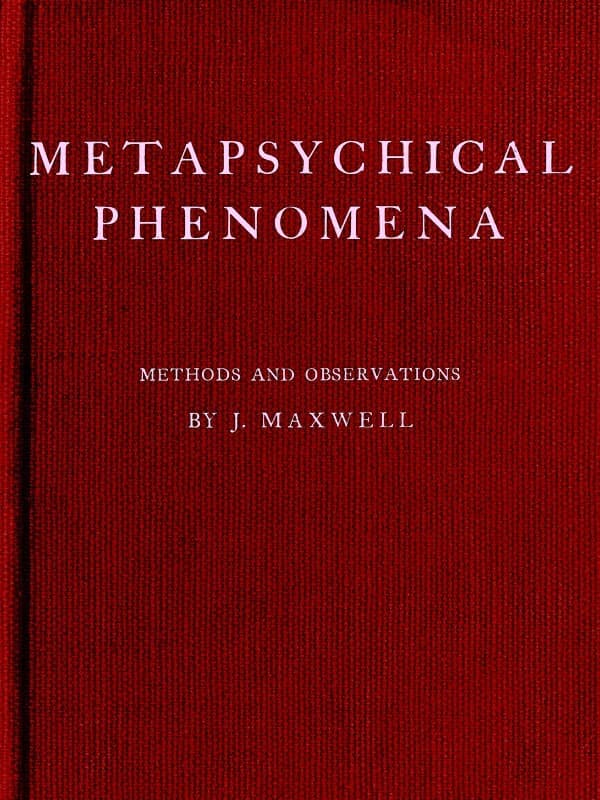
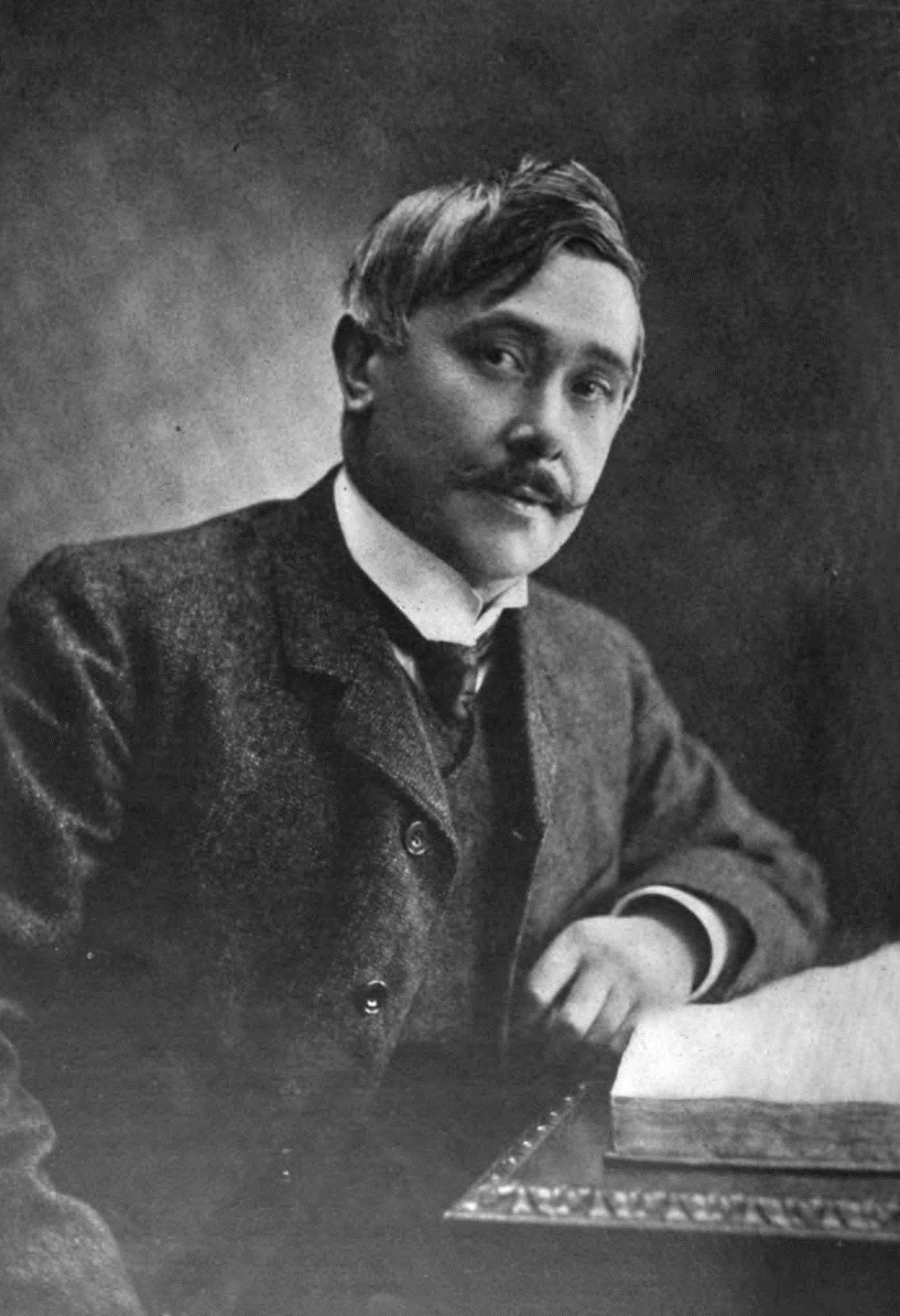
J. Maxwell was a pioneering figure in the field of psychical research during the late 19th and early 20th centuries. His work, particularly in 'Metapsychical Phenomena: Methods and Observations,' explored the boundaries of human consciousness and the potential for life beyond the physical realm. Maxwell's investigations into phenomena such as telepathy, clairvoyance, and other metaphysical experiences positioned him as a significant contributor to the early scientific discourse surrounding spirituality and the paranormal. Maxwell's approach combined rigorous observation with a deep curiosity about the human experience, reflecting the era's fascination with both science and the supernatural. His writings not only documented his findings but also engaged with the philosophical implications of metapsychical phenomena, challenging conventional understandings of reality. Through his work, Maxwell helped to lay the groundwork for future explorations in parapsychology and the study of consciousness, leaving a lasting impact on both scientific and spiritual communities.
Famous Quotes
View all 10 quotes“The most liberating of all thoughts is disregard or “disconcern” for what other people think. Famous mail-order impresario and entrepreneur J. Peterman wrote (in his autobiography Peterman Rides Again); “Once you realize that most people are keeping up appearances and putting on a show, their approval becomes less important.” Excessive concern over what other people think inhibits personality more than any other factor.””
“I strongly encourage you to find a place to think and to discipline yourself to pause and use it, because it has the potential to change your life. It can help you to figure out what’s really important and what isn’t. As writer and Catholic priest Henri J. M. Nouwen observed, “When you are able to create a lonely place in the middle of your actions and concerns, your successes and failures slowly can lose some of their power over you.””
“People are training for success when they should be training for failure. Failure is far more common than success; poverty is more prevalent than wealth; and disappointment more normal than arrival.”
Books from the author





Link to this page
Add a free, dofollow link to Lex on your blog, forum, syllabus, or reading list.

<a href="https://lex-books.com/author/j-maxwell"><img src="https://lex-books.com/badges/read-on-lex.svg" alt="J. Maxwell on Lex" width="160" height="40"></a>[](https://lex-books.com/author/j-maxwell)[url=https://lex-books.com/author/j-maxwell][img]https://lex-books.com/badges/read-on-lex.svg[/img][/url]J. Maxwell on Lex: https://lex-books.com/author/j-maxwell