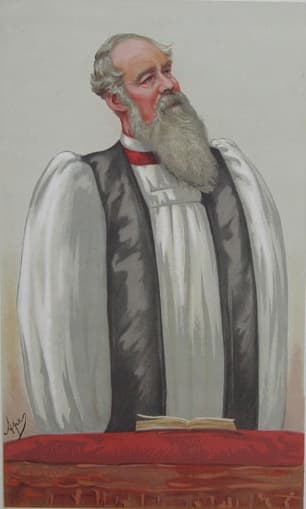
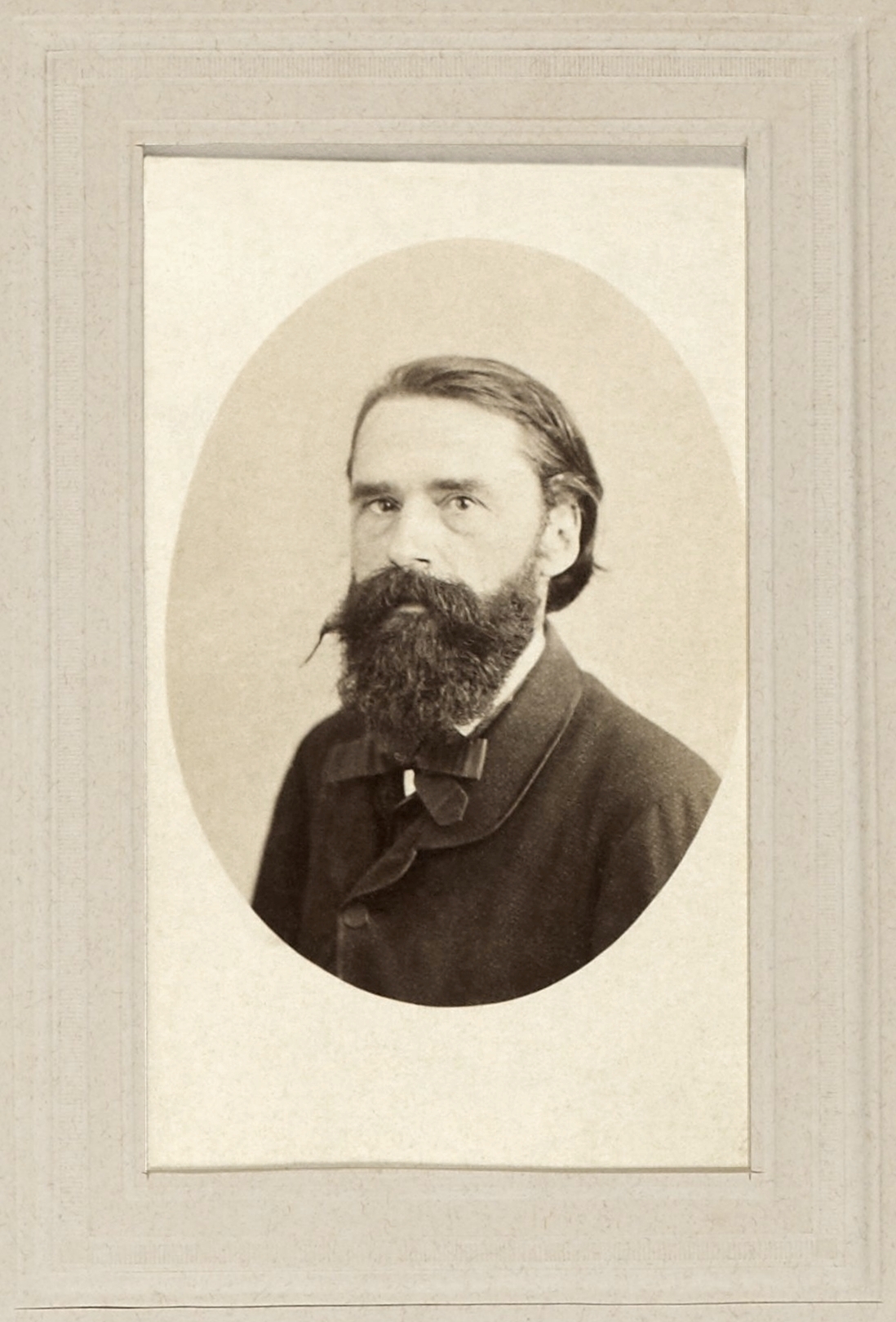
J. C. Ryle
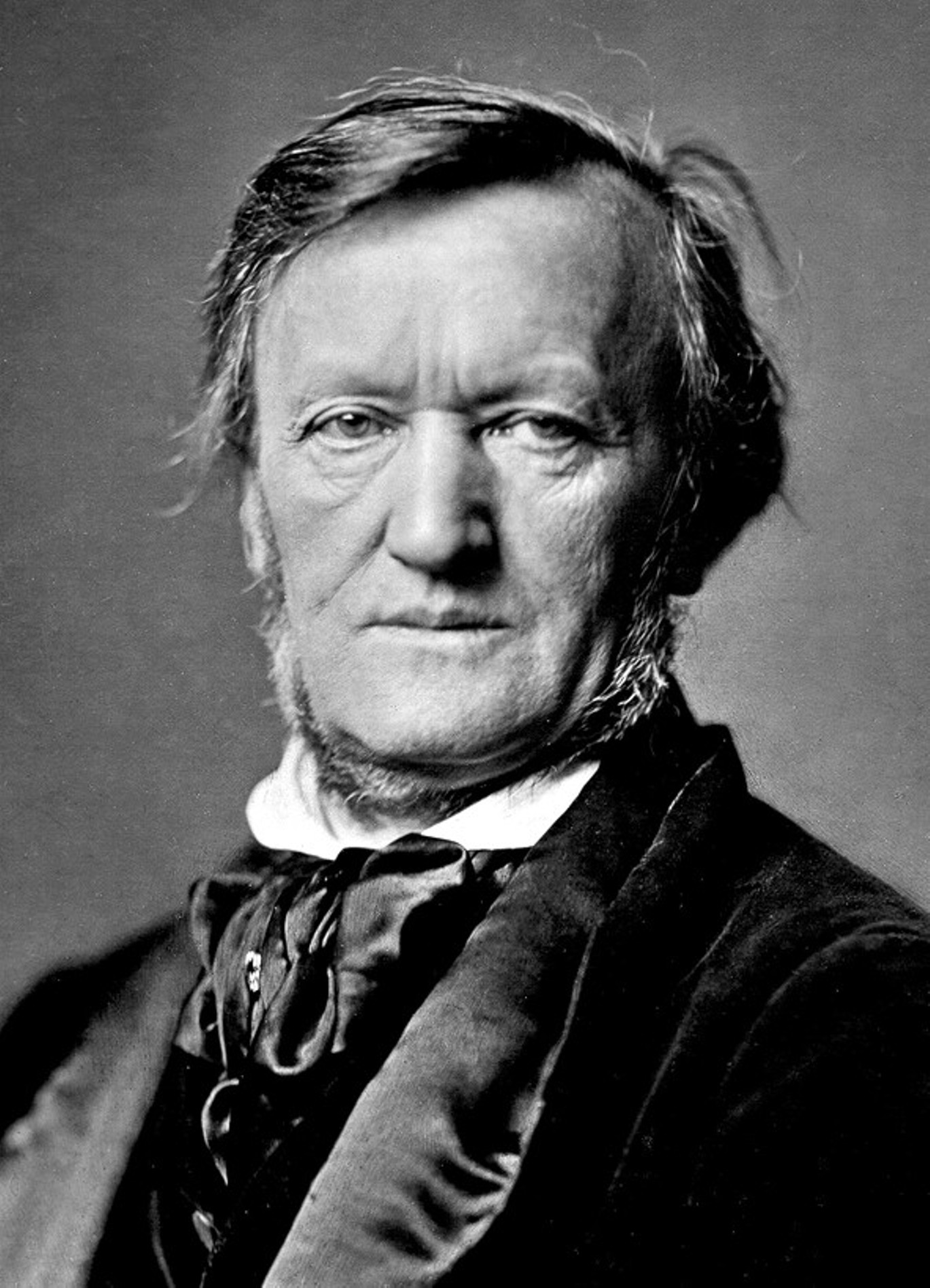
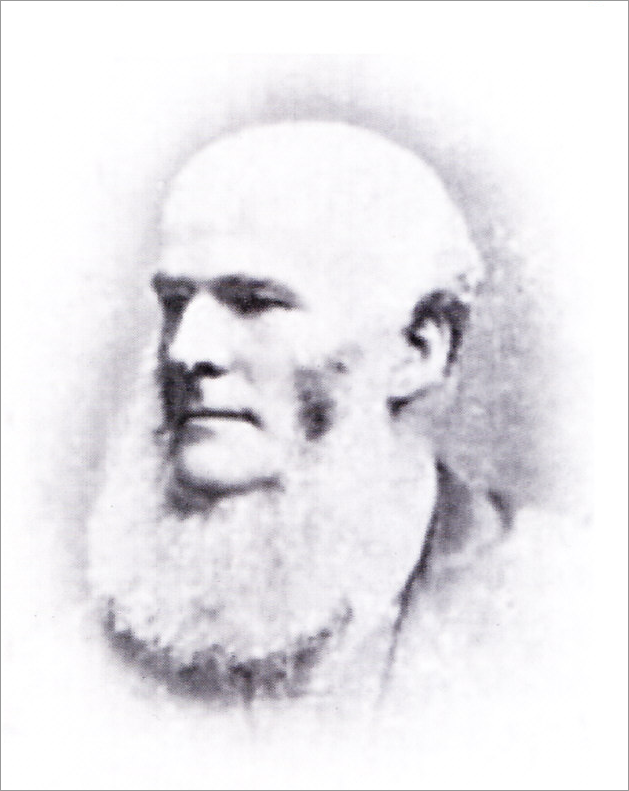
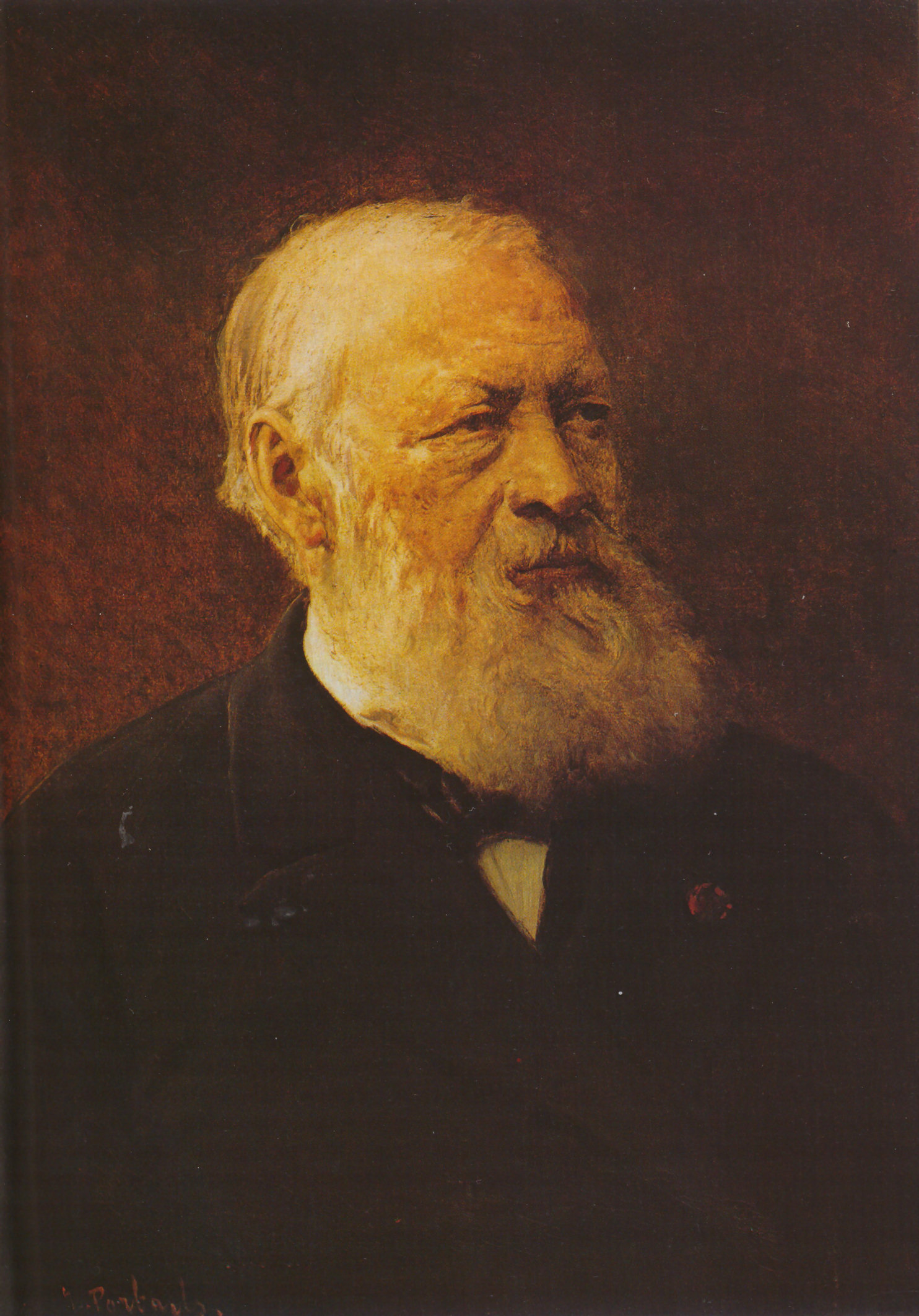
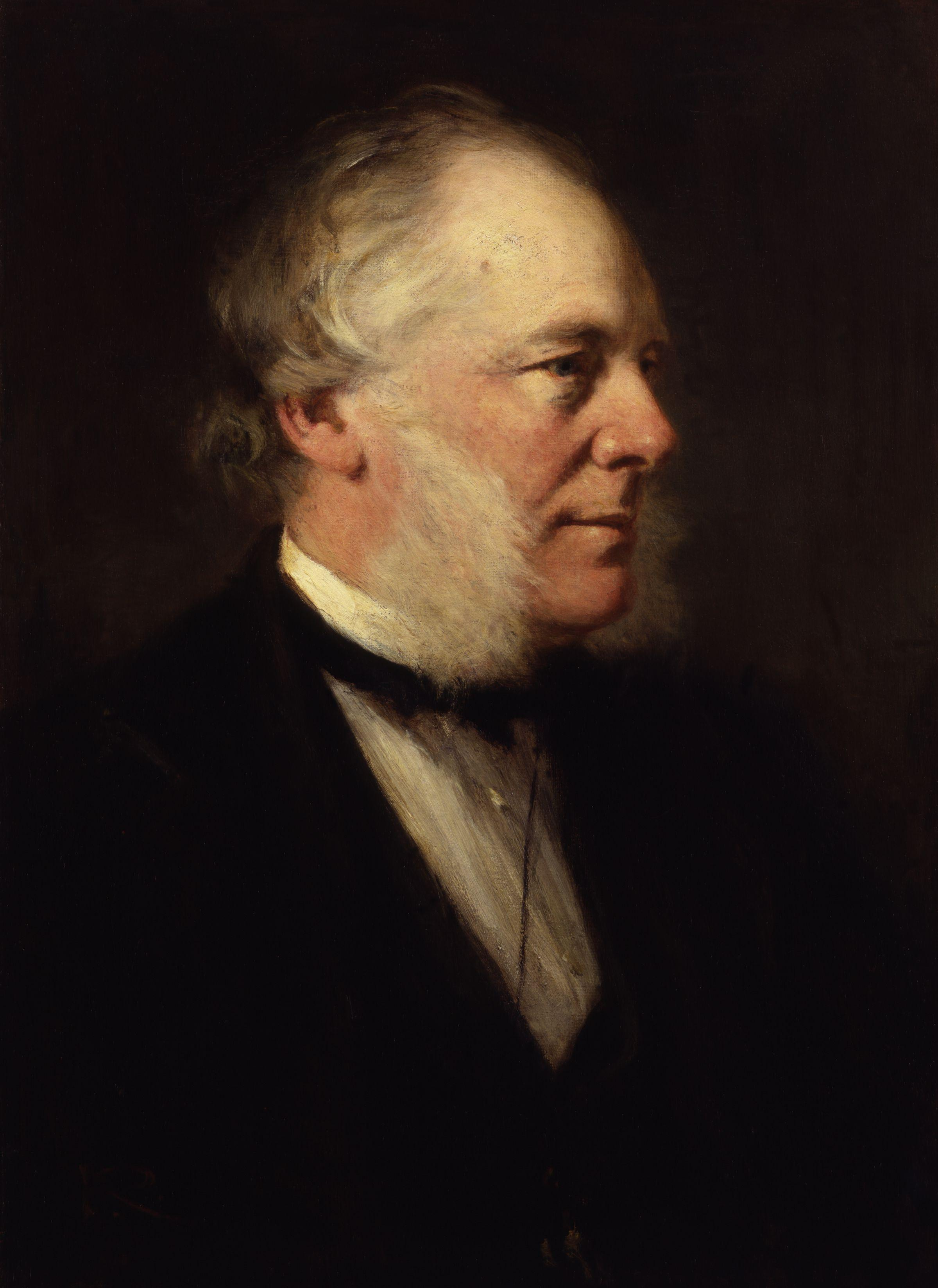
J. C. Ryle was a prominent English evangelical bishop and writer, known for his influential works on Christian faith and practice. Born in 1816, Ryle became a significant figure in the 19th-century evangelical movement, advocating for a return to biblical principles and a personal relationship with Christ. His writings, characterized by clarity and practical application, addressed the daily lives and spiritual challenges of professing Christians. Among his notable works are 'Practical Religion,' which offers guidance on living out one's faith, and 'Expository Thoughts on the Gospels,' a series of commentaries that provide insights into the teachings of Jesus as presented in the New Testament. Ryle's ability to communicate complex theological concepts in an accessible manner made his works widely read and respected. Ryle's legacy extends beyond his writings; he was also a key figure in the establishment of the evangelical tradition within the Church of England. His biography of George Whitefield highlights the importance of revivalist movements in shaping modern Christianity. Ryle's sermons, including 'Two Bears, and Other Sermons for Children,' reflect his commitment to teaching the faith to all ages. Through his extensive body of work, Ryle has left an indelible mark on Christian literature, emphasizing the importance of personal piety and the authority of Scripture in the life of believers.
Famous Quotes
View all 20 quotes“Do nothing that you would not like God to see. Say nothing you would not like God to hear. Write nothing you would not like God to read. Go no place where you would not like God to find you. Read no book of which you would not like God to say, "Show it to Me."Never spend your time in such a way that you would not like to have God say, "What are you doing?””
“Happiness does not depend on outward circumstances, but on the state of the heart.””
“Praying and sinning will never live together in the same heart. Prayer will consume sin, or sin will choke prayer.””
Books from the author



Link to this page
Add a free, dofollow link to Lex on your blog, forum, syllabus, or reading list.

<a href="https://lex-books.com/author/j-c-ryle"><img src="https://lex-books.com/badges/read-on-lex.svg" alt="J. C. Ryle on Lex" width="160" height="40"></a>[](https://lex-books.com/author/j-c-ryle)[url=https://lex-books.com/author/j-c-ryle][img]https://lex-books.com/badges/read-on-lex.svg[/img][/url]J. C. Ryle on Lex: https://lex-books.com/author/j-c-ryle