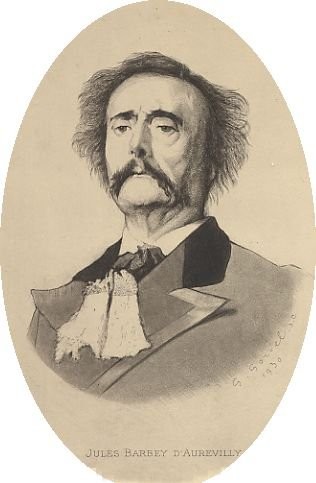
J. Barbey d'Aurevilly
J. Barbey d'Aurevilly was a French novelist and critic known for his flamboyant style and exploration of the darker aspects of human nature. Born in 1808 in a small town in Normandy, he was educated in the traditions of Romanticism and became an influential figure in the literary circles of 19th-century France. His works often delved into themes of passion, morality, and the complexities of desire, reflecting the tensions of his time. Notable works include 'Les Diaboliques,' a collection of short stories that challenge societal norms and explore the duality of good and evil, and 'Une Histoire sans Nom,' which showcases his mastery of psychological insight and narrative complexity. Barbey d'Aurevilly's literary significance lies in his ability to blend Gothic elements with a keen psychological understanding of his characters. He was a precursor to later literary movements, including Symbolism and Decadence, influencing writers such as Marcel Proust and Charles Baudelaire. His controversial views on morality and aesthetics often sparked debate, positioning him as a provocative voice in French literature. Despite being somewhat overshadowed by his contemporaries, his works have gained renewed interest in modern literary studies, solidifying his legacy as a unique and important figure in the exploration of human psychology and moral ambiguity.
Famous Quotes
View all 1 quotes“En dehors des statues finies de Michel-Ange, j'ai la certitude que son atelier serait encore quelque chose de suggestif et de grand. Même la sciure de son marbre, n'aurait-elle pas un aspect auguste ? C'est une impression de cet ordre que vous causera ce gros volume de cinq cent cinquante pages, où il y a de la sciure de ces idées qui, depuis, sont devenues des monuments !””
Books from the author



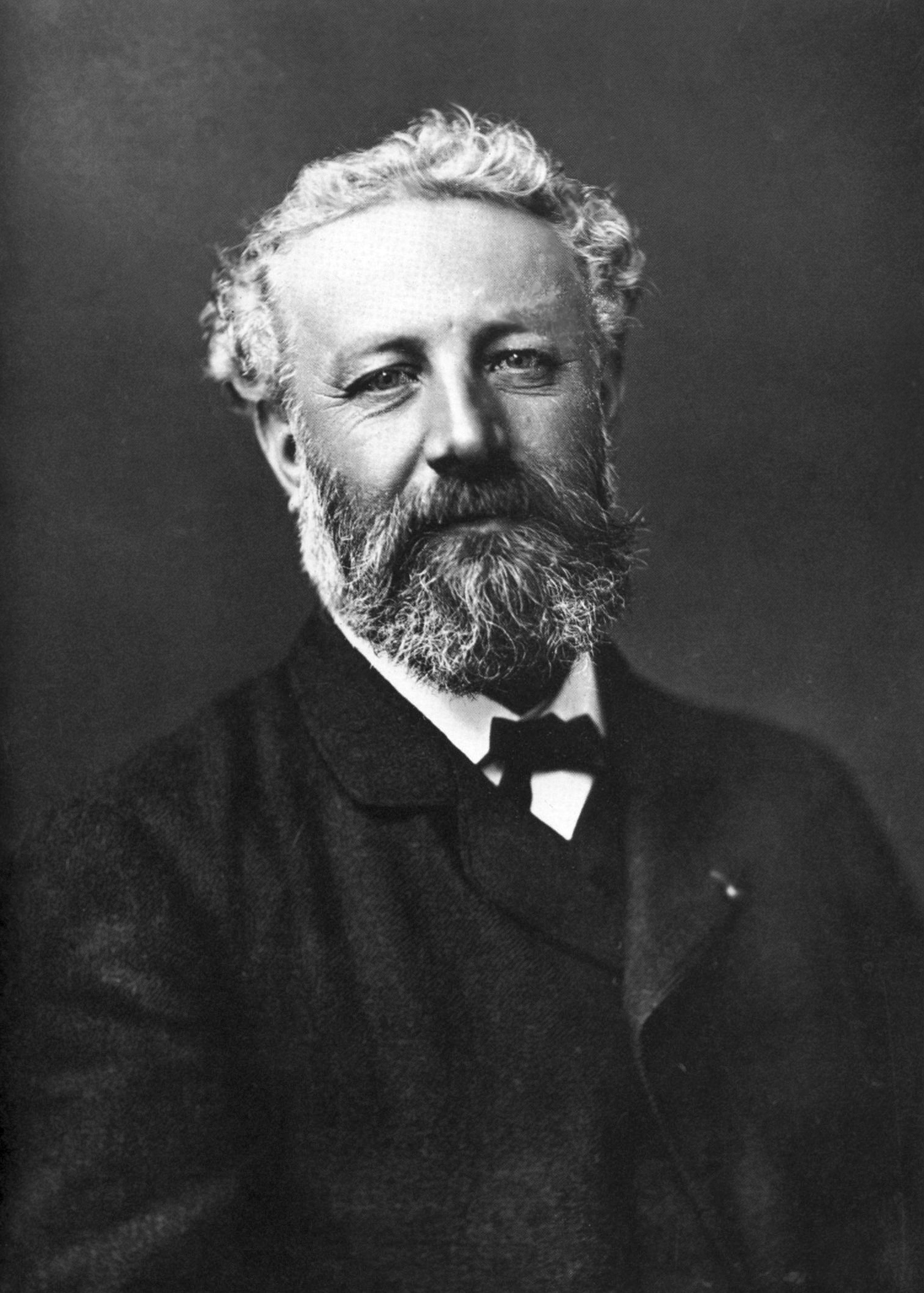

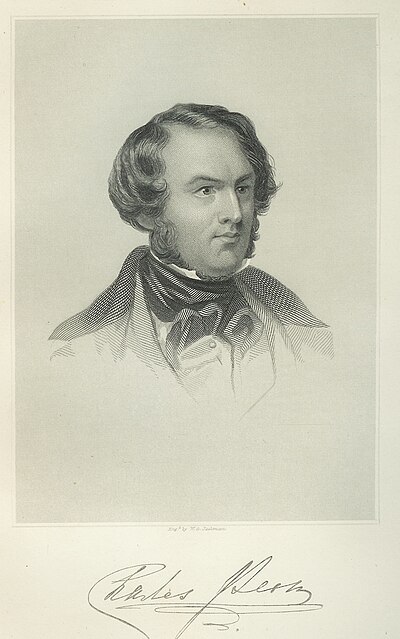
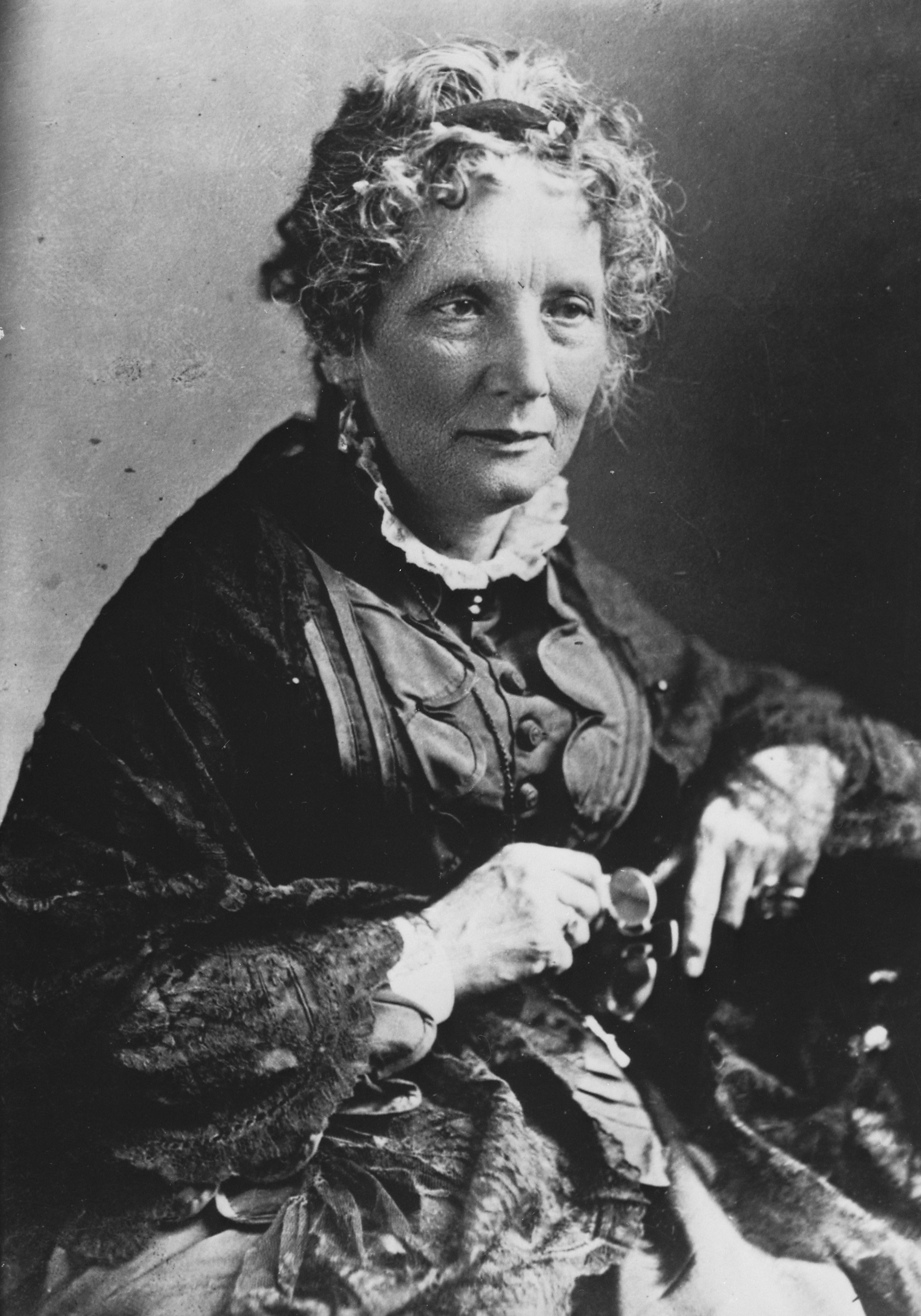
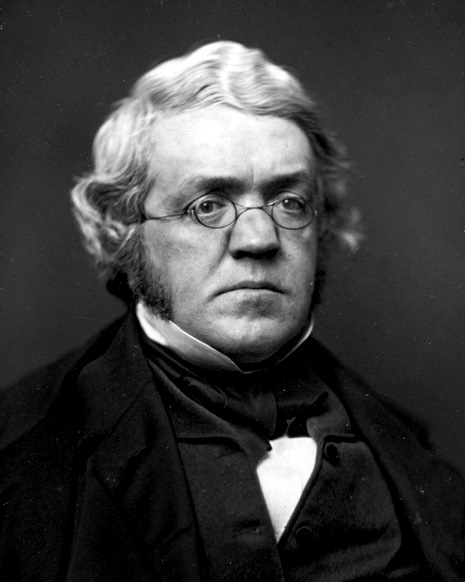

Link to this page
Add a free, dofollow link to Lex on your blog, forum, syllabus, or reading list.

<a href="https://lex-books.com/author/j-barbey-daurevilly"><img src="https://lex-books.com/badges/read-on-lex.svg" alt="J. Barbey d'Aurevilly on Lex" width="160" height="40"></a>[](https://lex-books.com/author/j-barbey-daurevilly)[url=https://lex-books.com/author/j-barbey-daurevilly][img]https://lex-books.com/badges/read-on-lex.svg[/img][/url]J. Barbey d'Aurevilly on Lex: https://lex-books.com/author/j-barbey-daurevilly