Isaac Allen
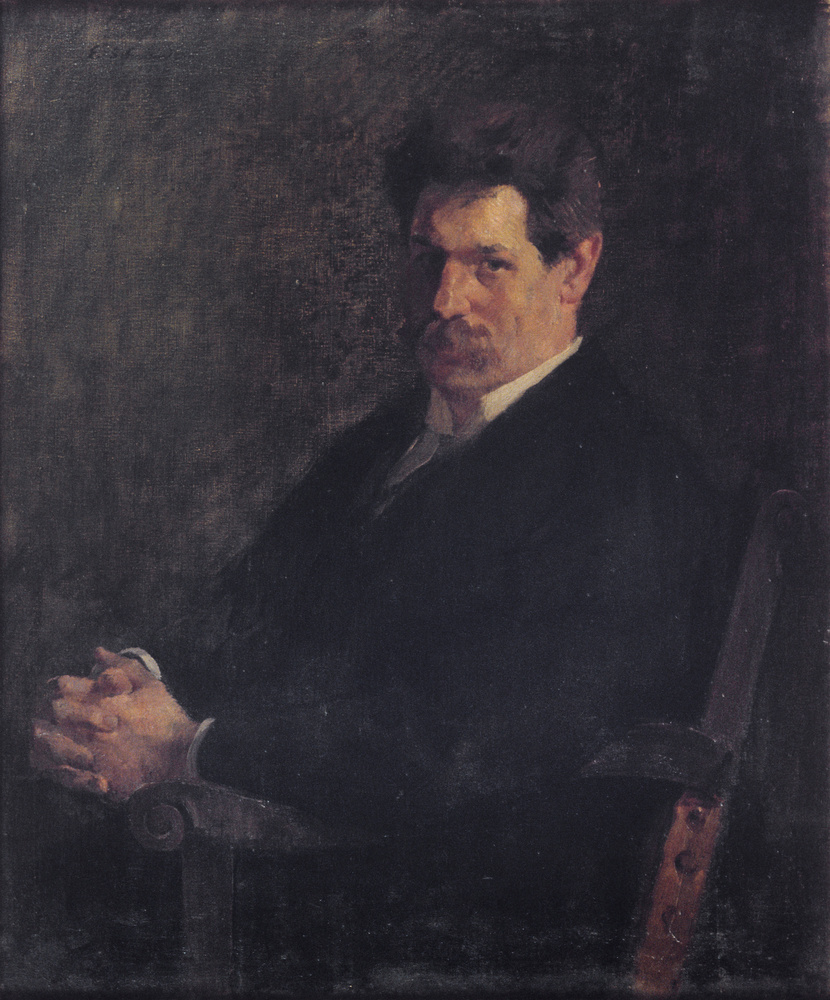
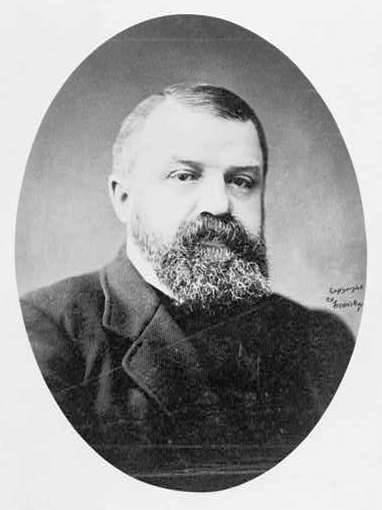
Isaac Allen was a prominent Canadian jurist and loyalist officer, whose contributions to the legal landscape of New Brunswick were significant during the late 18th and early 19th centuries. Born in 1741, he served as a colonel commanding the 2nd Battalion of New Jersey Volunteers during the American Revolutionary War. Following the war, he was deported to New Brunswick, where he received a land grant of 2,000 acres and became one of the first judges appointed in the province, taking on the role of assistant justice in 1784. Allen is particularly noted for his involvement in the landmark case R v Jones in 1800, which tested the legality of slavery in the province. His ruling against the master in this case, alongside Judge John Saunders, was a bold stance that contrasted with the opinions of the chief justice and another judge who upheld the master's rights. This decision not only highlighted the contentious issue of slavery in Canada but also led to a duel challenge from Stair Agnew, reflecting the intense social and legal debates of the time. Isaac Allen's legacy continued through his grandson, John C. Allen, who later became chief justice of New Brunswick, underscoring the family's enduring influence in the province's judicial history.
Famous Quotes
View all 3 quotes“-Mary: Il sesso senza amore è un'esperienza vuota!-Isaac: Beh, ma tra le esperienze vuote è una delle migliori.””
“When one had sufficient control over fantasy, one had no need of reality.””
“Inspect every piece of pseudoscience and you will find a security blanket, a thumb to suck, a skirt to hold. What have we to offer in exchange? Uncertainty! Insecurity! – Isaac Asimov””