
Horace Kephart
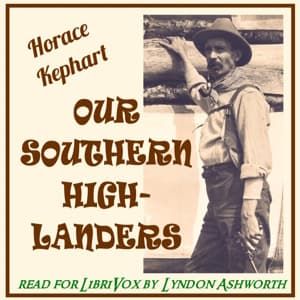
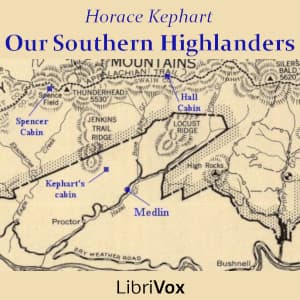
Horace Kephart was an influential American travel writer and librarian, renowned for his deep connection to the natural world and the Appalachian region. He spent significant time in the Great Smoky Mountains of North Carolina, where he documented his experiences and observations in his seminal work, 'Our Southern Highlanders.' This memoir not only reflects his love for the landscape but also offers insights into the lives and culture of the mountain people, capturing the essence of a way of life that was rapidly changing during his time. In addition to his memoir, Kephart authored 'Camping and Woodcraft,' a practical guide that became a classic in outdoor literature. This work provided invaluable advice on camping techniques and wilderness survival, influencing generations of outdoor enthusiasts. Kephart's writings are significant for their vivid descriptions and advocacy for the preservation of natural spaces, contributing to the early conservation movement in the United States. His legacy endures through his passionate portrayal of the Southern Highlands and his commitment to enjoying and protecting the outdoors.
Famous Quotes
View all 3 quotes“The hemlock tree is named spruce-pine, while spruce is he-balsam, balsam itself is she-balsam, laurel is ivy, and rhododendron is laurel.”
“A camper should know for himself how to outfit, how to select and make a camp, how to wield an axe and make proper fires, how to cook, wash, mend, how to travel without losing his course, or what to do when he has lost it; how to trail, hunt, shoot, fish, dress game, manage boat or canoe, and how to extemporize such makeshifts as may be needed in wilderness faring. And he should know these things as he does the way to his mouth. Then is he truly a woodsman, sure to do promptly the right thing at the right time, whatever befalls. Such a man has an honest pride in his own resourcefulness, a sense of reserve force, a doughty self-reliance that is good to feel. His is the confidence of the lone sailorman, who whistles as he puts his tiny bark out to sea.”
“Grant that on this voyage we may frequently kill bears, as they may be crossing the Scioto and Sandusky.”
Books from the author





Link to this page
Add a free, dofollow link to Lex on your blog, forum, syllabus, or reading list.

<a href="https://lex-books.com/author/horace-kephart"><img src="https://lex-books.com/badges/read-on-lex.svg" alt="Horace Kephart on Lex" width="160" height="40"></a>[](https://lex-books.com/author/horace-kephart)[url=https://lex-books.com/author/horace-kephart][img]https://lex-books.com/badges/read-on-lex.svg[/img][/url]Horace Kephart on Lex: https://lex-books.com/author/horace-kephart