
Hermann Schubert
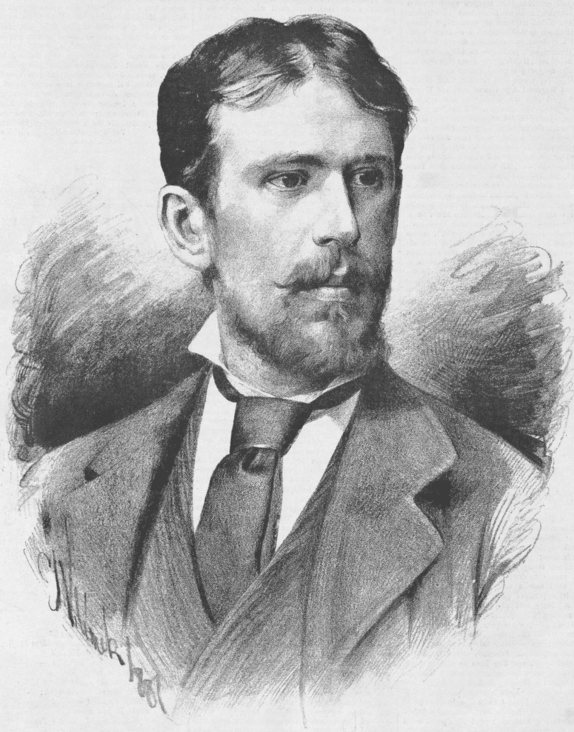
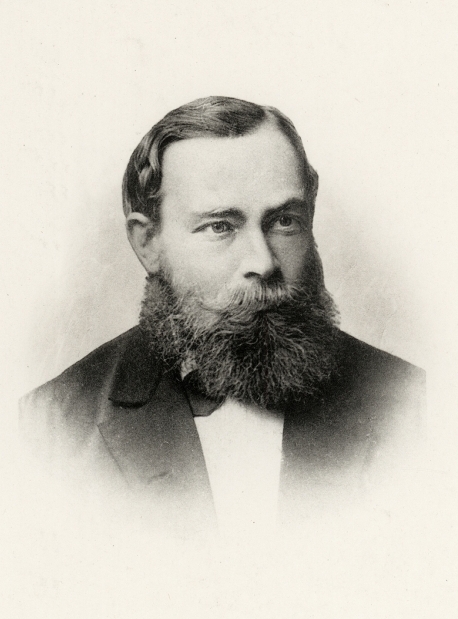
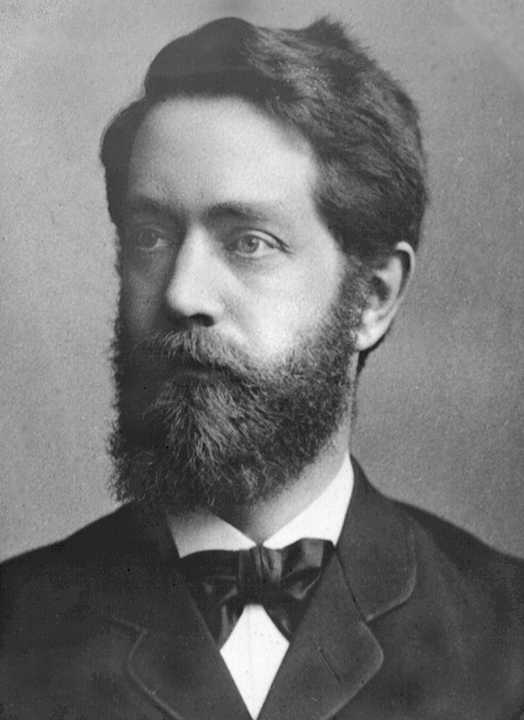
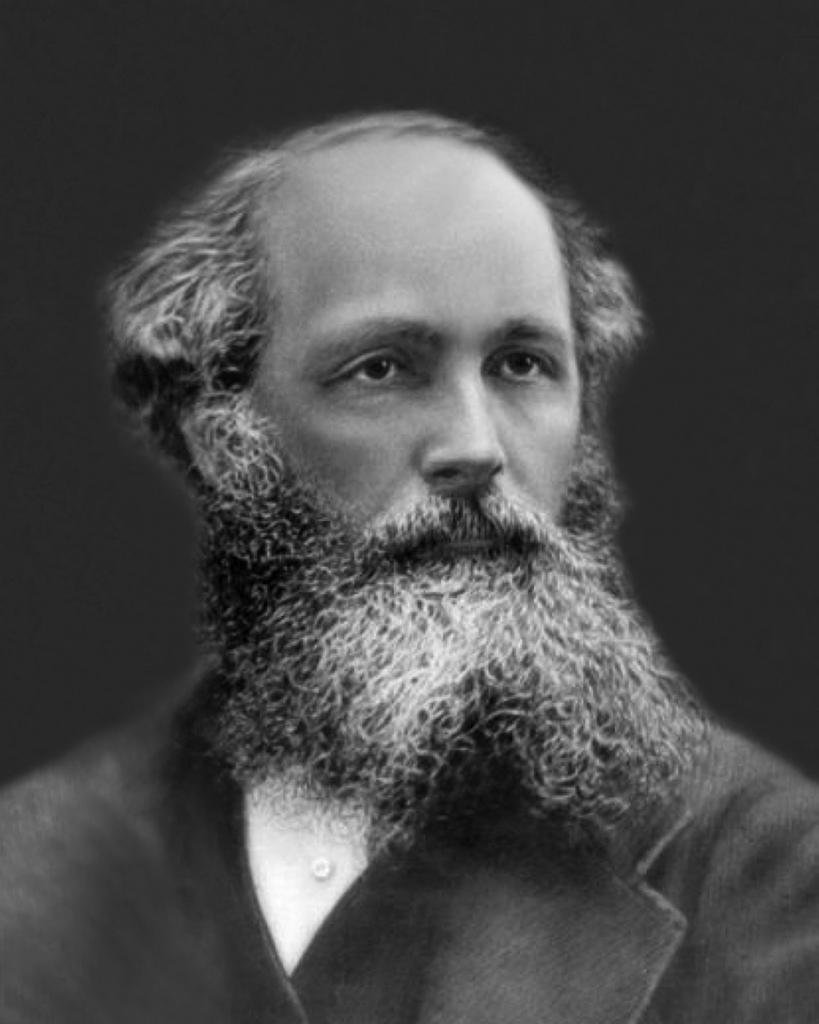
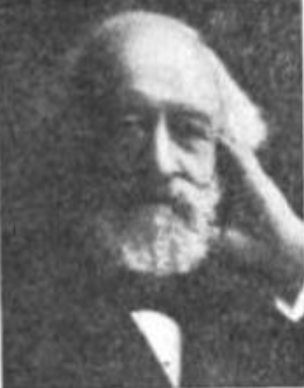
Hermann Cäsar Hannibal Schubert was a prominent German mathematician known for his significant contributions to enumerative geometry, a branch of algebraic geometry focused on counting the number of solutions to geometric problems. His work laid the groundwork for what would later be known as Schubert calculus, a powerful tool in the field that has influenced various areas of mathematics. In 1874, Schubert gained recognition for solving a challenging problem posed by the mathematician Zeuthen, further establishing his reputation in the mathematical community. Beyond his research, Schubert played an important role in education, mentoring notable mathematicians such as Adolf Hurwitz, whom he guided at the Realgymnasium Andreanum in Hildesheim, Hanover. Schubert's legacy endures through his innovative approaches to geometry and his influence on future generations of mathematicians, solidifying his place in the history of mathematics as a key figure in the development of modern geometric theories.
Books from the author









Link to this page
Add a free, dofollow link to Lex on your blog, forum, syllabus, or reading list.

<a href="https://lex-books.com/author/hermann-schubert"><img src="https://lex-books.com/badges/read-on-lex.svg" alt="Hermann Schubert on Lex" width="160" height="40"></a>[](https://lex-books.com/author/hermann-schubert)[url=https://lex-books.com/author/hermann-schubert][img]https://lex-books.com/badges/read-on-lex.svg[/img][/url]Hermann Schubert on Lex: https://lex-books.com/author/hermann-schubert