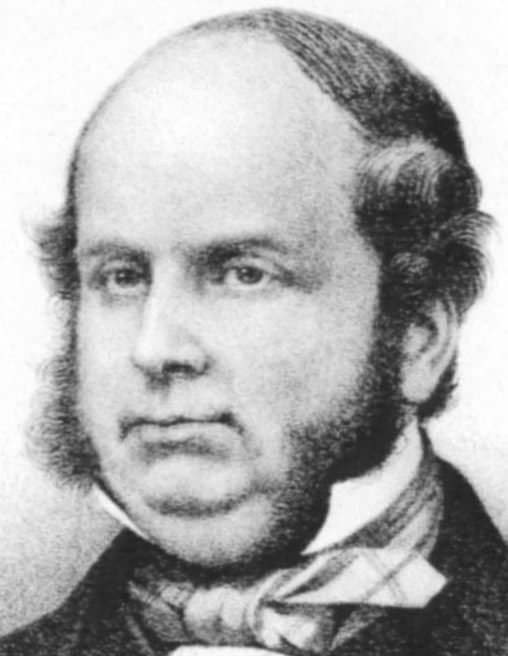
Henry Thomas Buckle
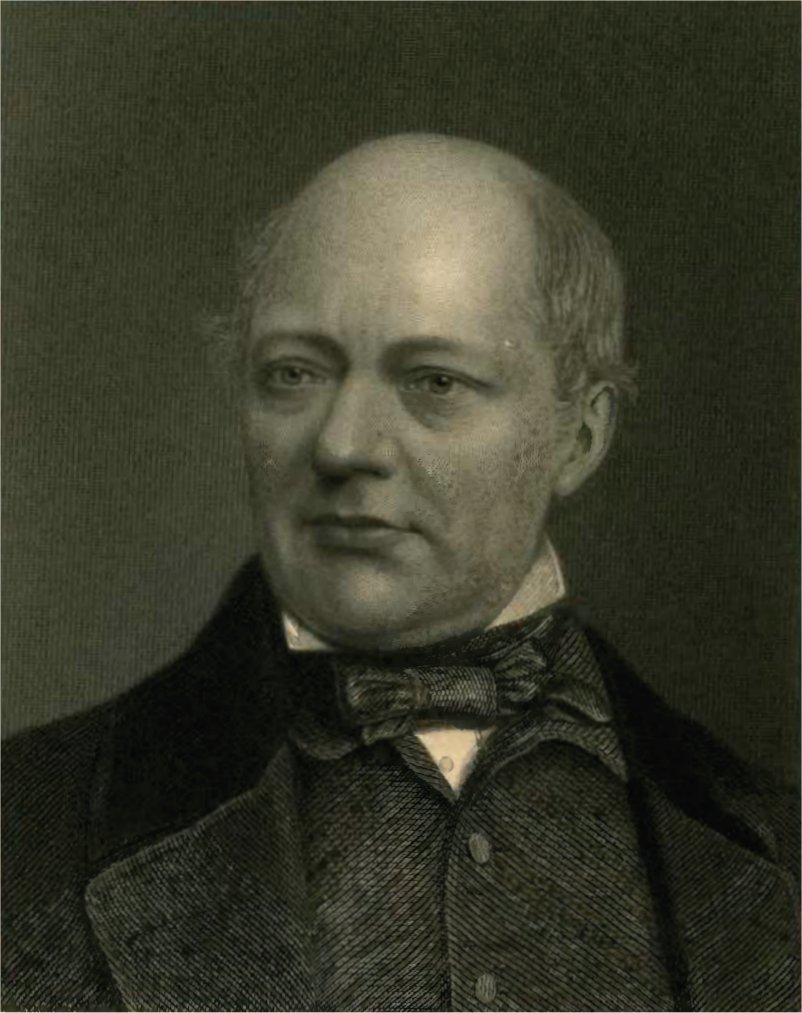
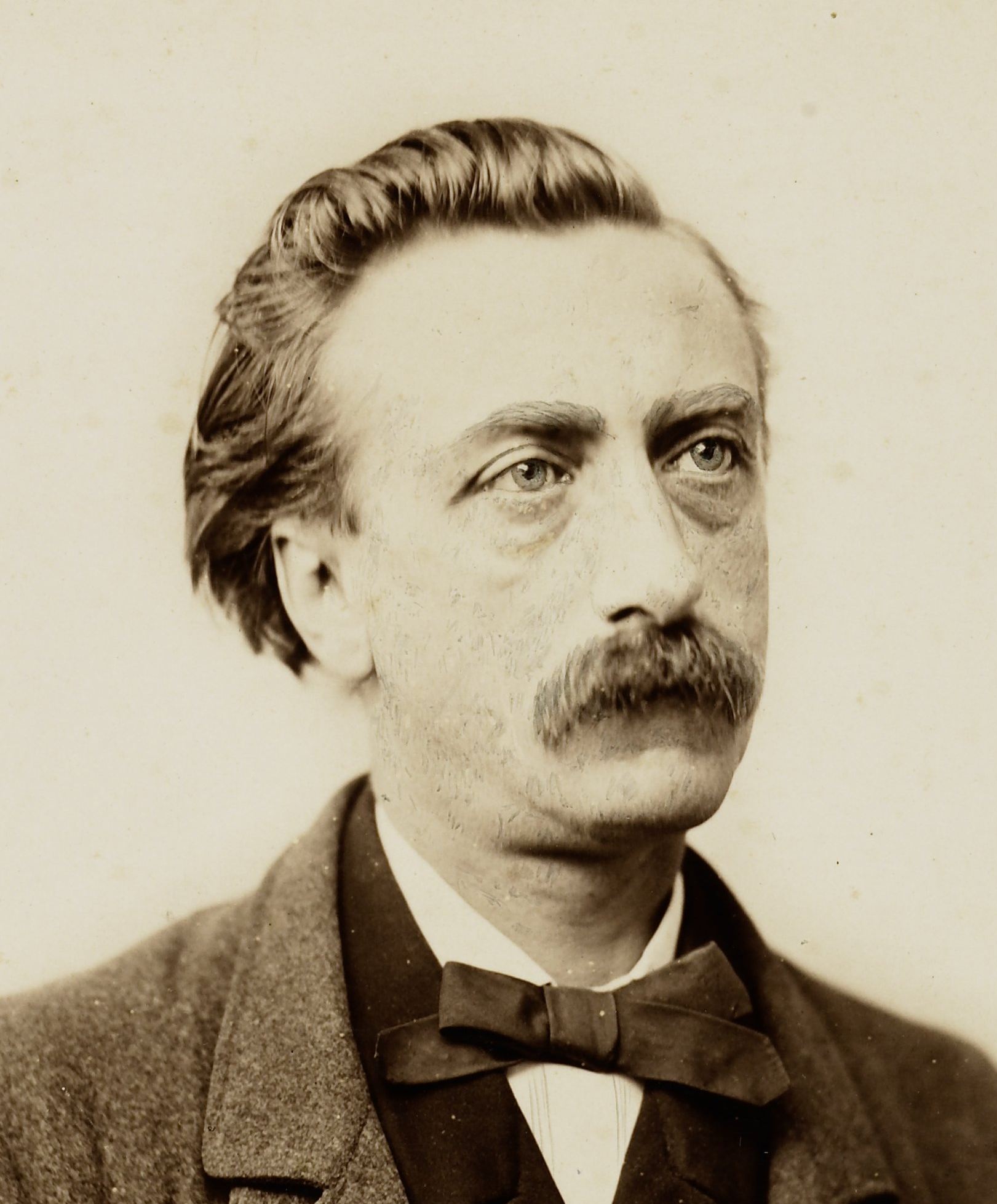
Henry Thomas Buckle was an English historian known for his ambitious work, the unfinished 'History of Civilization,' which sought to analyze the development of human society through a scientific lens. Buckle's approach to history was groundbreaking; he emphasized the importance of empirical evidence and the influence of environment and culture on historical events, earning him the title 'the Father of Scientific History.' His ideas challenged traditional narratives and laid the groundwork for future historians to adopt a more analytical and systematic methodology in their studies. In addition to his historical writings, Buckle was a passionate amateur chess player, which reflected his analytical mindset. His contributions to historical thought were significant, as he advocated for a rational understanding of history that incorporated elements of sociology and psychology. Although his life was cut short at the age of 40, Buckle's legacy endures through his influence on the field of historiography and the way history is studied today. His unfinished work continues to be a point of reference for historians exploring the intersection of science and history.
Famous Quotes
View all 3 quotes“Great minds discuss ideas. Average minds discuss events. Small minds discuss people.”
“You can tell the lowest class by their habit of always talking about persons; the next, by the fact that their habit is always to converse about things; the highest, by their preference for the discussion of ideas.”
“Men and women range themselves into three classes or orders of intelligence; you can tell the lowest class by their habit of always talking about persons; the next by the fact that their habit is always to converse about things; the highest by their preference for the discussion of ideas.”
Books from the author
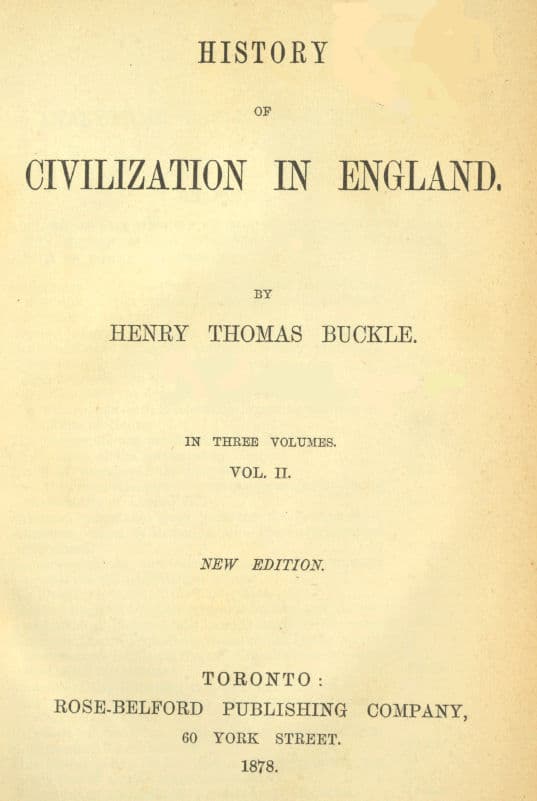
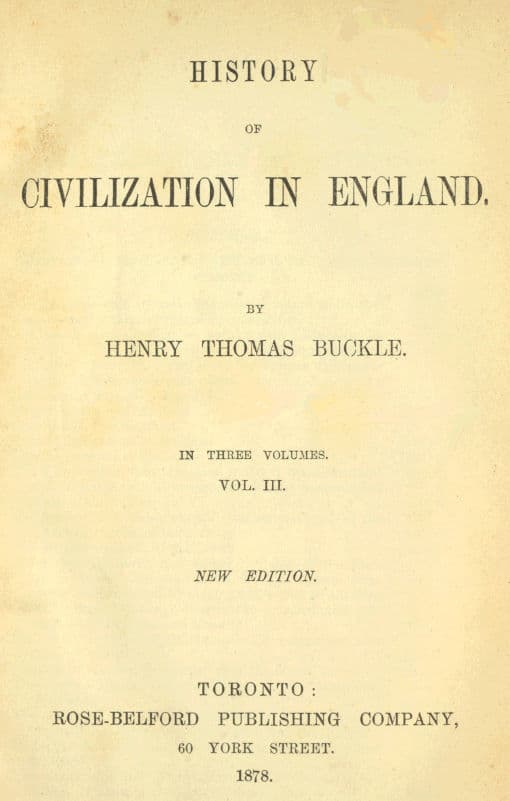
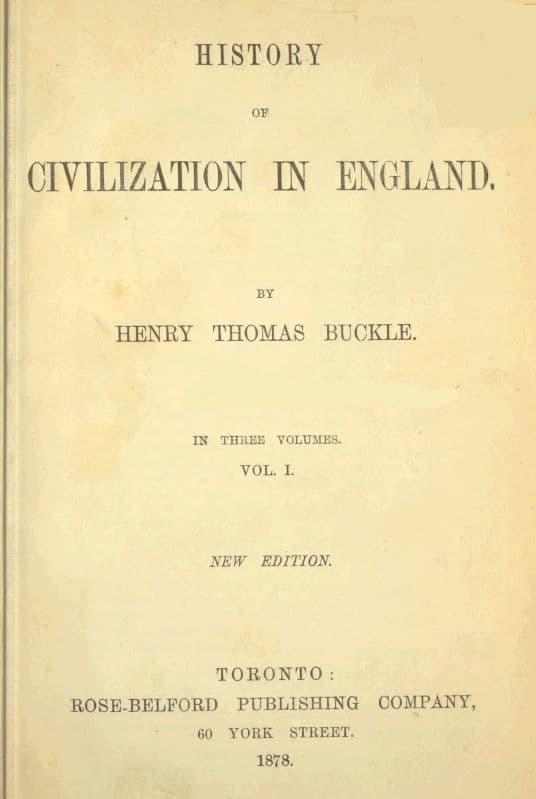


Link to this page
Add a free, dofollow link to Lex on your blog, forum, syllabus, or reading list.

<a href="https://lex-books.com/author/henry-thomas-buckle"><img src="https://lex-books.com/badges/read-on-lex.svg" alt="Henry Thomas Buckle on Lex" width="160" height="40"></a>[](https://lex-books.com/author/henry-thomas-buckle)[url=https://lex-books.com/author/henry-thomas-buckle][img]https://lex-books.com/badges/read-on-lex.svg[/img][/url]Henry Thomas Buckle on Lex: https://lex-books.com/author/henry-thomas-buckle