Henry Meige
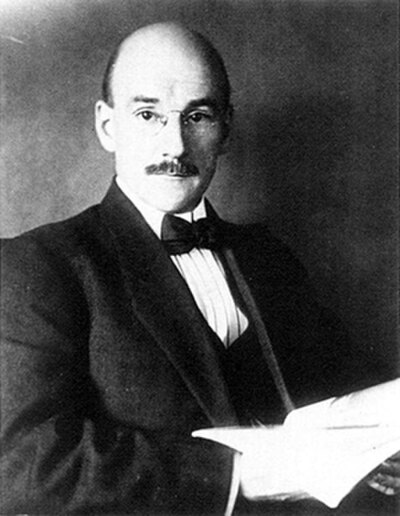
Henri Meige was a prominent French neurologist known for his significant contributions to the understanding of neurological disorders. Born in Moulins-sur-Allier, he pursued his medical studies in Paris under the renowned Jean Charcot, earning his doctorate in 1893. Meige's most notable achievement came in 1910 when he characterized Meige's syndrome, a condition that involves involuntary facial movements and is often associated with other neurological disorders. His work laid the groundwork for further research in the field of movement disorders. Throughout his career, Meige collaborated with other notable figures, including Édouard Brissaud, with whom he studied skeletal changes in acromegaly, revealing that gigantism in adolescents is essentially the same condition as acromegaly in adults. His academic tenure included a professorship at the École des Beaux-Arts in the 1920s, where he continued to influence the field of neurology. During World War I, he conducted important studies on neuropathy alongside Pierre Marie, further solidifying his reputation as a leading neurologist of his time. Meige's legacy endures through his contributions to the understanding of complex neurological conditions, particularly in the realm of movement disorders.
Books from the author







Link to this page
Add a free, dofollow link to Lex on your blog, forum, syllabus, or reading list.

<a href="https://lex-books.com/author/henry-meige"><img src="https://lex-books.com/badges/read-on-lex.svg" alt="Henry Meige on Lex" width="160" height="40"></a>[](https://lex-books.com/author/henry-meige)[url=https://lex-books.com/author/henry-meige][img]https://lex-books.com/badges/read-on-lex.svg[/img][/url]Henry Meige on Lex: https://lex-books.com/author/henry-meige