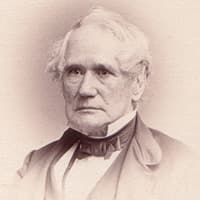
Henry Charles Carey
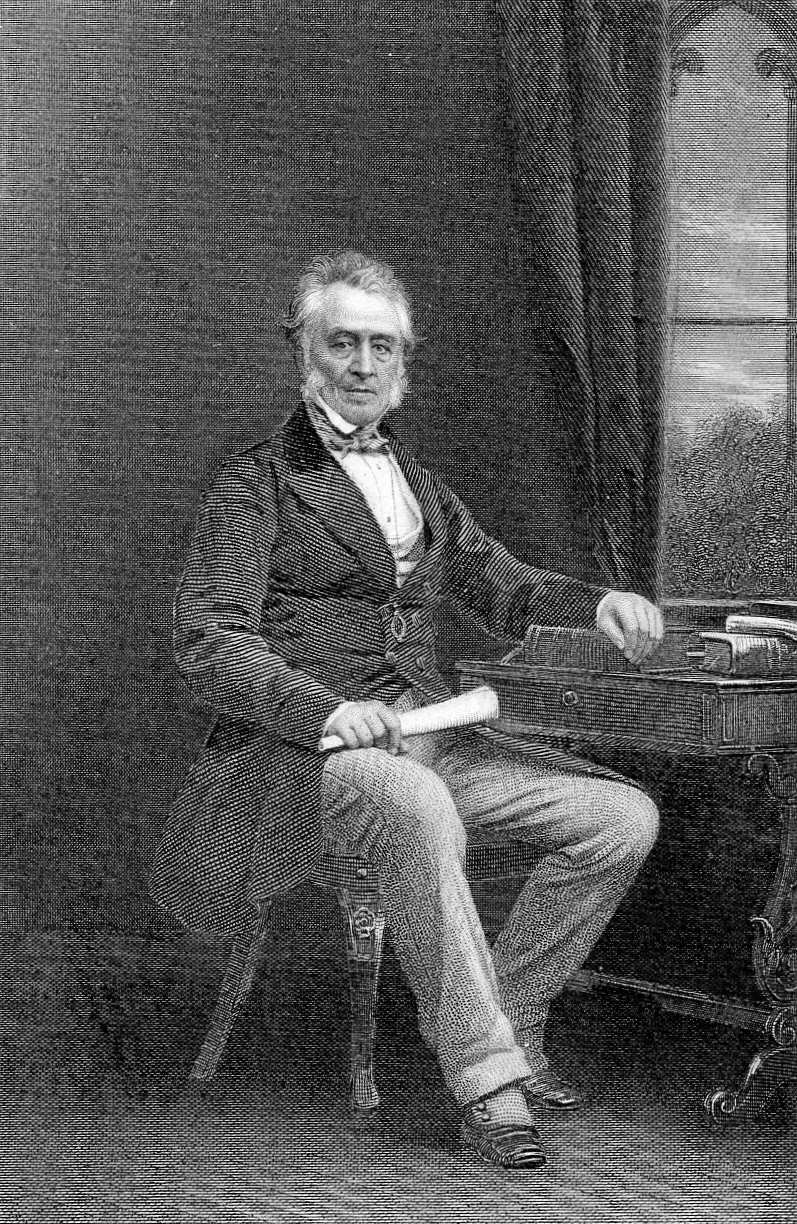
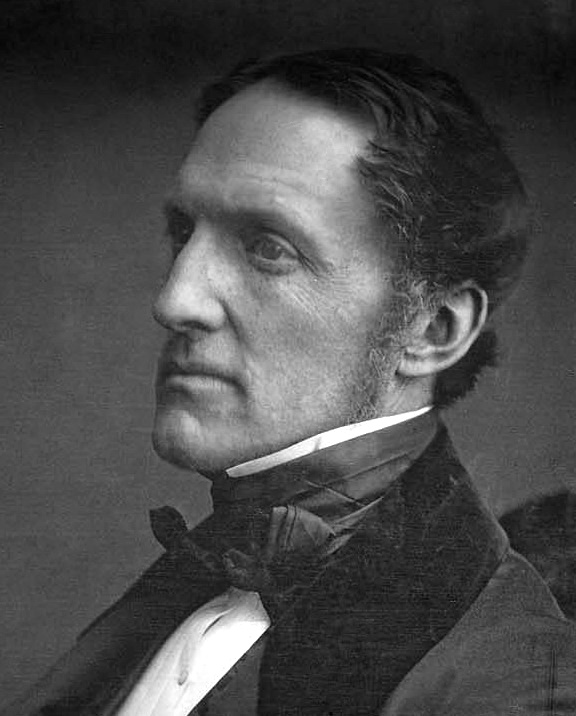
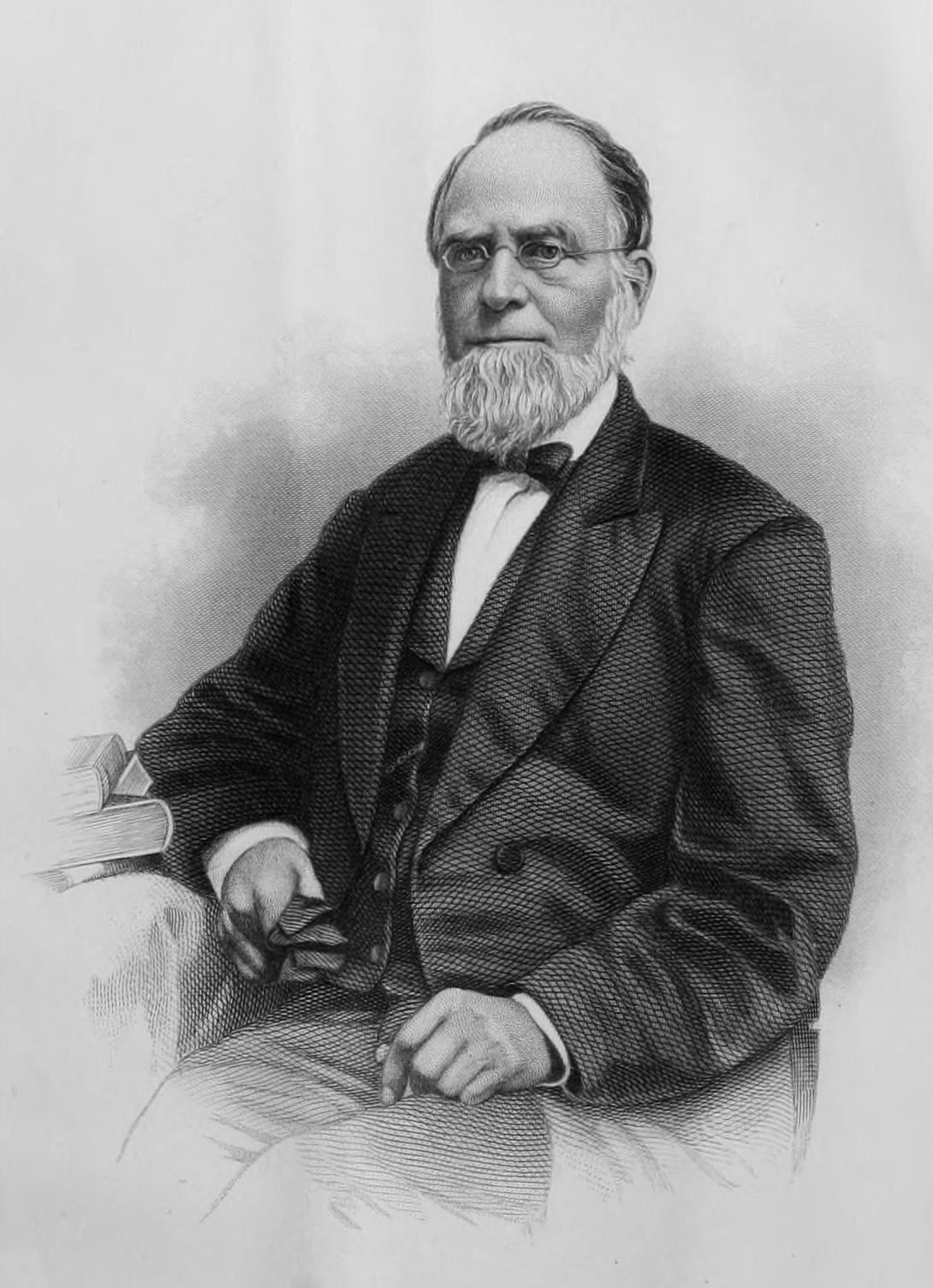
Henry Charles Carey was a prominent American publisher, political economist, and politician known for his influential role in the economic landscape of 19th-century America. As a leading figure of the American School of economics, he served as a chief economic adviser to President Abraham Lincoln and Secretary of the Treasury Salmon P. Chase during the tumultuous years of the American Civil War. Carey's seminal work, The Harmony of Interests: Agricultural, Manufacturing, and Commercial, published in 1851, presented a robust critique of laissez-faire capitalism and free trade, advocating instead for a system that emphasized tariff protection and state intervention to foster national self-sufficiency and unity. His economic theories were a direct challenge to the ideas of contemporaries like Thomas Malthus and David Ricardo, positioning him as a key voice in the debate over America's economic direction. In addition to his economic theories, Carey was a vocal critic of slavery, arguing against the institution from an economic standpoint. His advocacy for protective tariffs and his insights into banking and monetary policy significantly influenced the early Republican Party and shaped U.S. trade policy well into the 20th century. Carey's legacy is marked by his commitment to a developmentalist approach to economics, which sought to balance agricultural, manufacturing, and commercial interests in a way that promoted the overall prosperity of the nation. His ideas continue to resonate in discussions about economic policy and national unity.
Books from the author





Link to this page
Add a free, dofollow link to Lex on your blog, forum, syllabus, or reading list.

<a href="https://lex-books.com/author/henry-charles-carey"><img src="https://lex-books.com/badges/read-on-lex.svg" alt="Henry Charles Carey on Lex" width="160" height="40"></a>[](https://lex-books.com/author/henry-charles-carey)[url=https://lex-books.com/author/henry-charles-carey][img]https://lex-books.com/badges/read-on-lex.svg[/img][/url]Henry Charles Carey on Lex: https://lex-books.com/author/henry-charles-carey