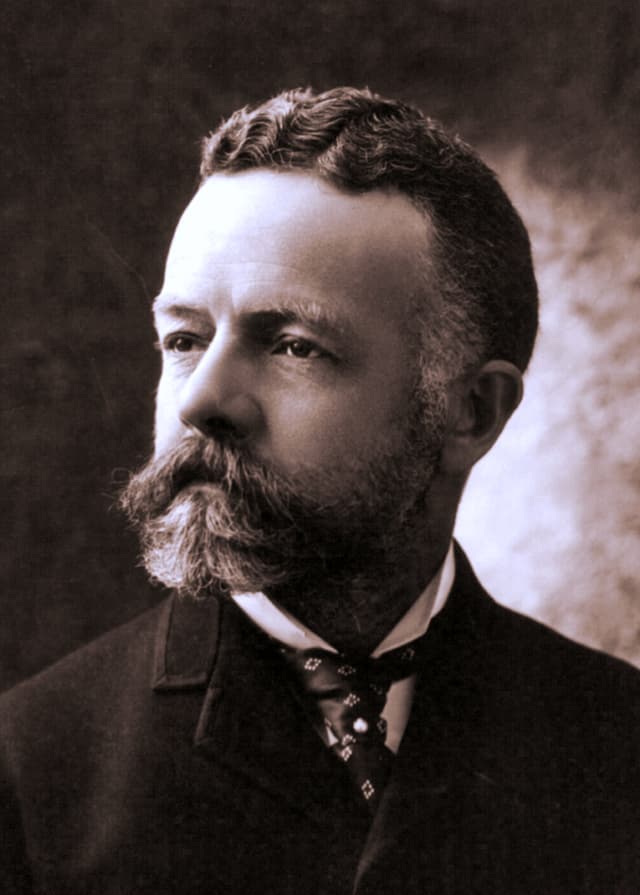
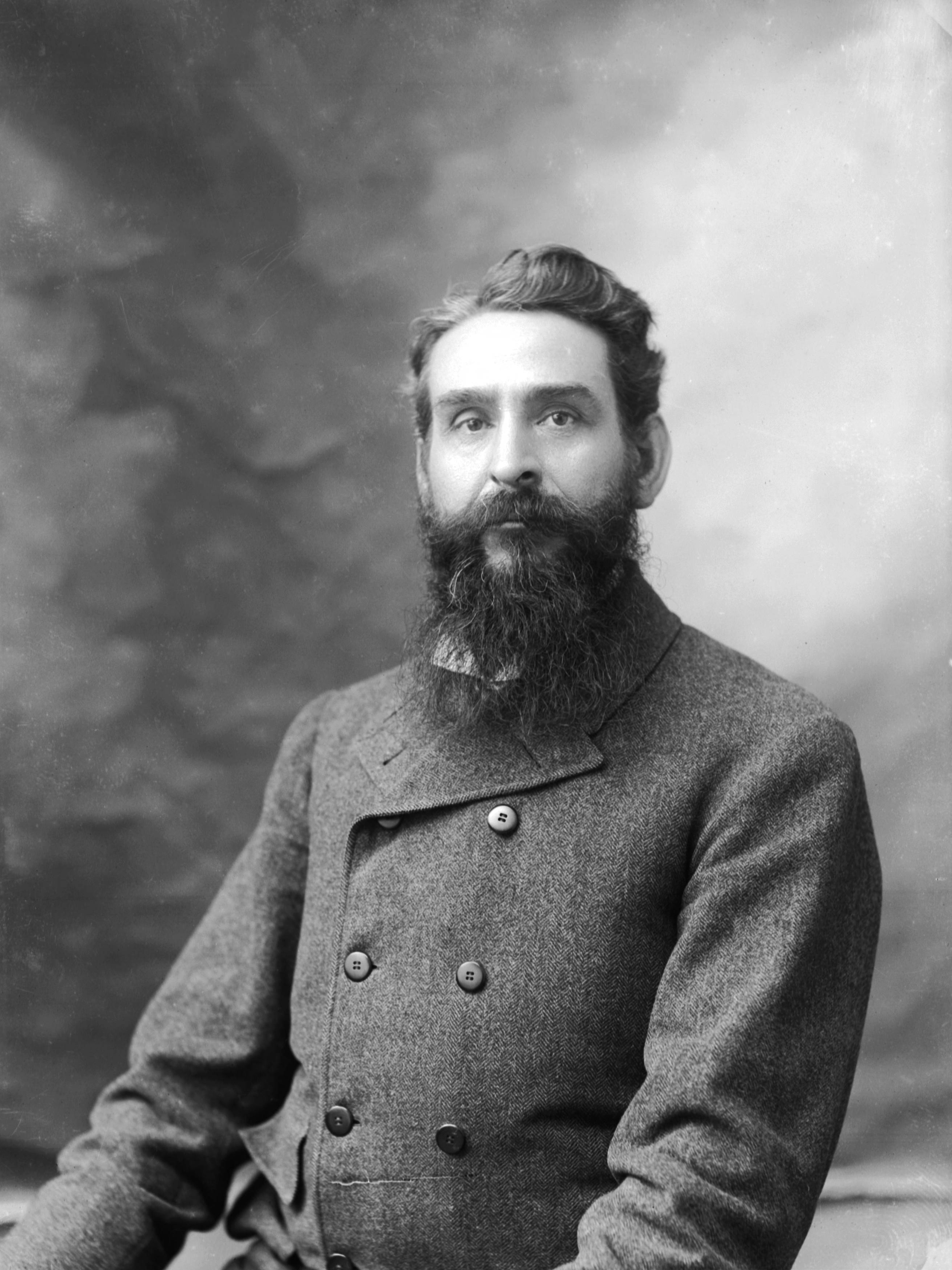
Henry Cabot Lodge
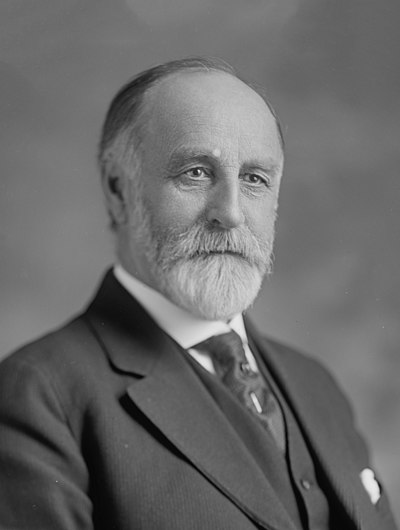
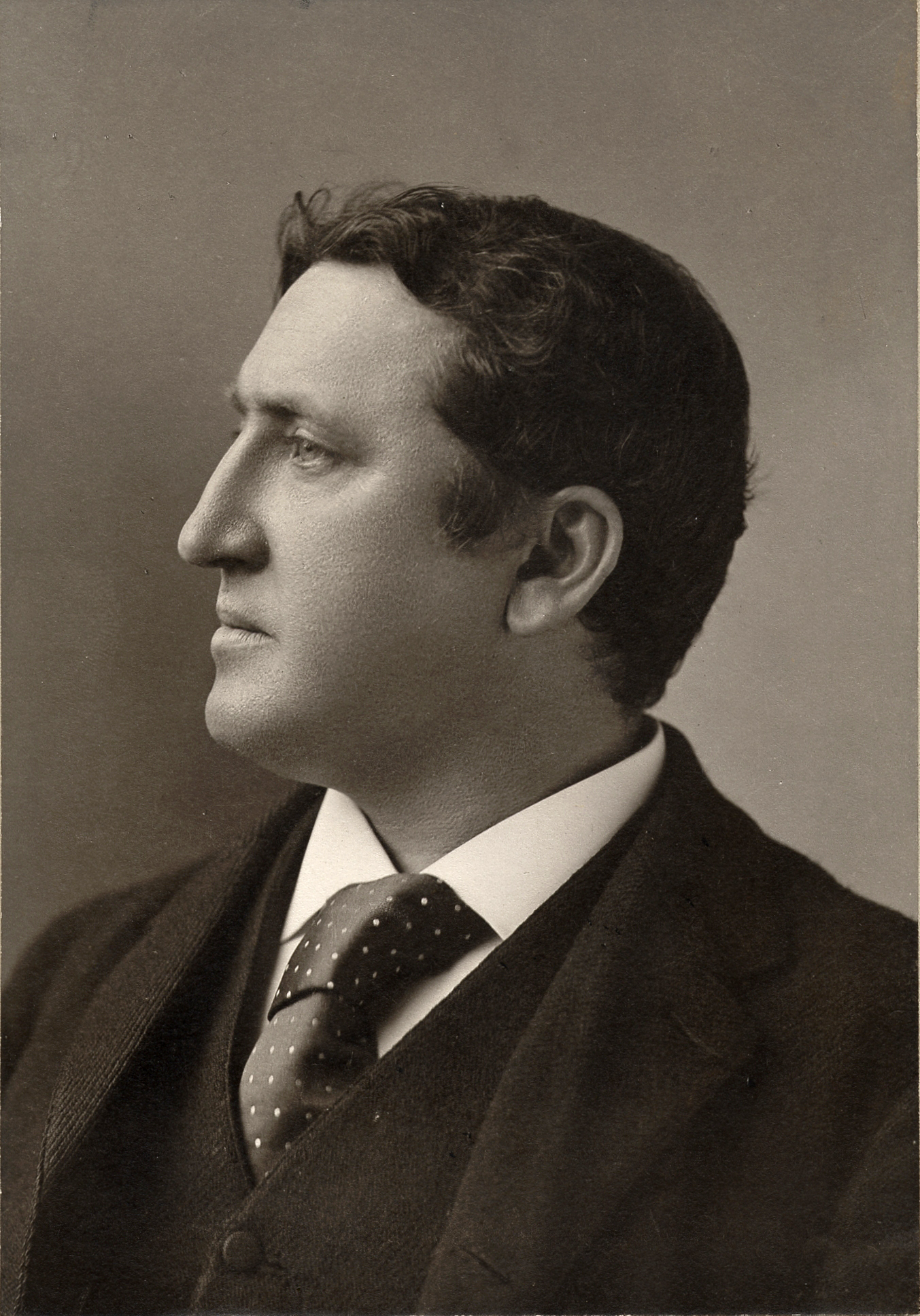
Henry Cabot Lodge (May 12, 1850 – November 9, 1924) was an American politician, historian, lawyer, and statesman from Massachusetts. A member of the Republican Party, he served in the United States Senate from 1893 to 1924 and is best known for his positions on foreign policy. His successful crusade against Woodrow Wilson's Treaty of Versailles ensured that the United States never joined the League of Nations and his penned conditions against that treaty, known collectively as the Lodge reservations, influenced the structure of the modern United Nations. Lodge received four degrees from Harvard University and was a widely published historian. His close friendship with Theodore Roosevelt began as early as 1884 and lasted their entire lifetimes, even surviving Roosevelt's bolt from the Republican Party in 1912. As a representative, Lodge sponsored the unsuccessful Lodge Bill of 1890, which sought to protect the voting rights of African Americans and introduce a national secret ballot. As a senator, Lodge took a more active role in foreign policy, supporting the Spanish–American War, expansion of American territory overseas, and American entry into World War I. He also supported immigration restrictions, becoming a member of the Immigration Restriction League and influencing the Immigration Act of 1917.
Famous Quotes
View all 3 quotes“I can never be anything else but an American, and I must think of the United States first, and when I think of the United States first in an arrangement like this I am thinking of what is best for the world, for if the United States fails the best hopes of mankind fail with it.”
“Excitement is impossible where there is no contest.”
“With Winthrop came seven or eight hundred, increased very shortly to a thousand, by some additional vessels; and this was soon after followed by a second thousand. No such attempt at settlement had been seen before on the American continent. It was not the longing for adventure, but the transfer of a people, a government, and a Church; and this it is which separates it from all other colonizing undertakings in America at their inception, and which made the Massachusetts settlement from the beginning such a moving force in American history.”
Books from the author





Link to this page
Add a free, dofollow link to Lex on your blog, forum, syllabus, or reading list.

<a href="https://lex-books.com/author/henry-cabot-lodge"><img src="https://lex-books.com/badges/read-on-lex.svg" alt="Henry Cabot Lodge on Lex" width="160" height="40"></a>[](https://lex-books.com/author/henry-cabot-lodge)[url=https://lex-books.com/author/henry-cabot-lodge][img]https://lex-books.com/badges/read-on-lex.svg[/img][/url]Henry Cabot Lodge on Lex: https://lex-books.com/author/henry-cabot-lodge