
Henri Pirenne
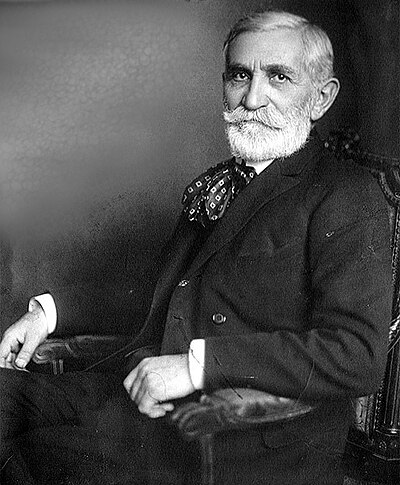
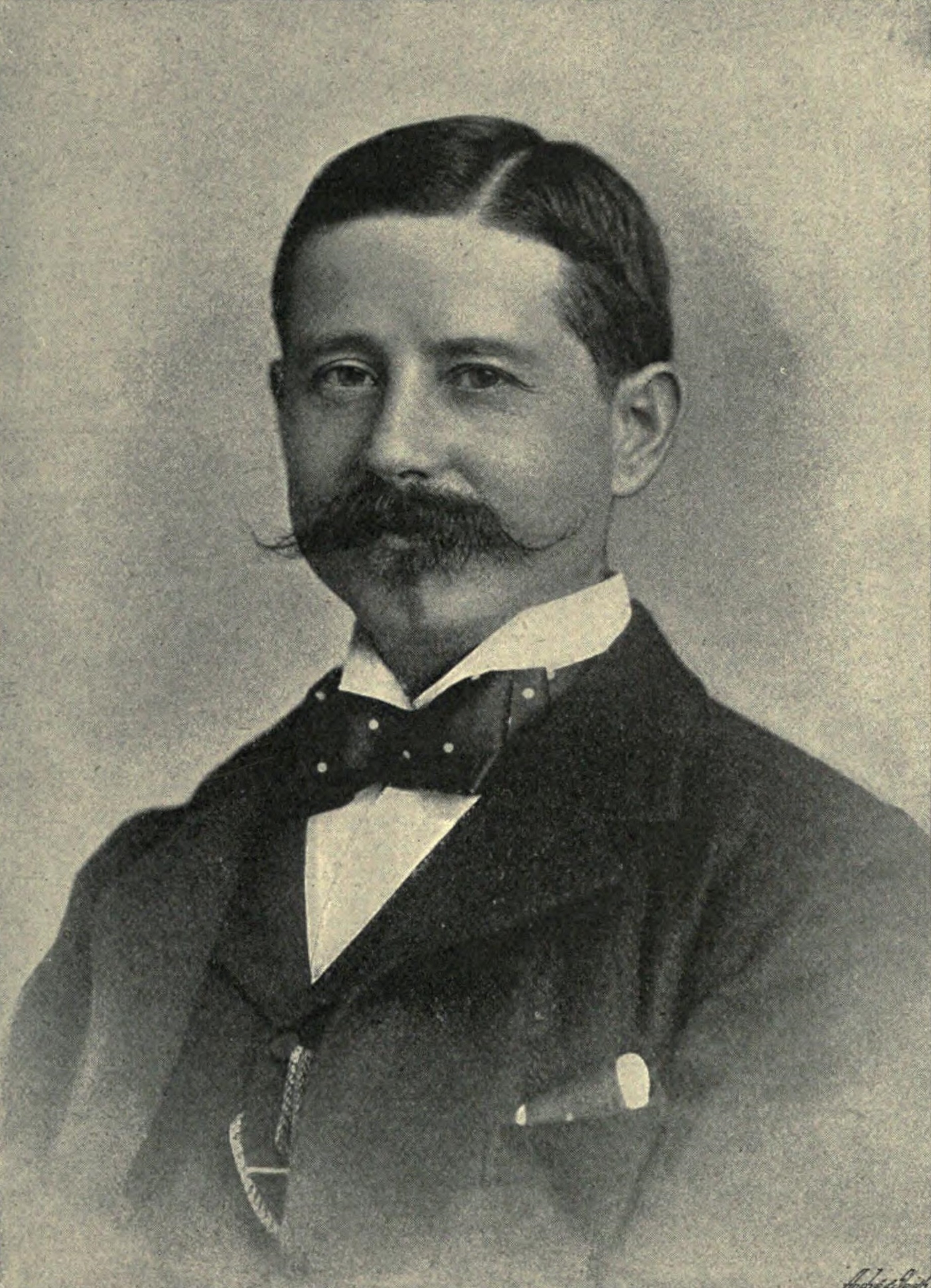
Henri Pirenne was a distinguished Belgian historian known for his influential work on medieval history and urban culture. A Walloon by descent, he authored a comprehensive multivolume history of Belgium that established him as a leading public intellectual in his field. Pirenne is best remembered for formulating the Pirenne Thesis, which posited that the transition from the Roman Empire to the Middle Ages was driven by shifts in trade and the formation of reactive states, challenging traditional narratives about the period's decline. His insights into the development of medieval cities and the socio-economic factors that shaped them have had a lasting impact on historical scholarship. In addition to his academic contributions, Pirenne was an active participant in the nonviolent resistance against German occupation during World War I, further solidifying his role as a prominent figure in Belgian history. His ideas influenced notable historians, including Marc Bloch, and contributed to the methodologies of the French Annales School of social history. Despite facing criticism from contemporaries like Alfons Dopsch, Pirenne's theories continue to serve as foundational points for modern historians studying the Middle Ages, underscoring his significance in the field of history and the understanding of European civilization's evolution.
Famous Quotes
View all 3 quotes“One thing is certain—that there was an active circulation of money. We must repudiate the idea that the people of the Merovingian epoch lived under a system of natural economy.”
“L'Islam a rompu l'unité méditerranéenne que les invasions germaniques avaient laissé subsister. C'est là le fait le plus essentiel qui se soit passé dans l'histoire européenne depuis les guerres puniques. C'est la fin de la tradition antique. C'est le commencement du Moyen Age, au moment même où l'Europe était en voie de se byzantiniser.”
“Pirenne was quite right that the ancient trading economy continued after the first invasions and the establishment of the mixed Romano-barbarian successor kingdoms. Some kind of connectivity by sea endured continuously, even if at very low levels (Horden and Purcell 2000).”
Books from the author




Link to this page
Add a free, dofollow link to Lex on your blog, forum, syllabus, or reading list.

<a href="https://lex-books.com/author/henri-pirenne"><img src="https://lex-books.com/badges/read-on-lex.svg" alt="Henri Pirenne on Lex" width="160" height="40"></a>[](https://lex-books.com/author/henri-pirenne)[url=https://lex-books.com/author/henri-pirenne][img]https://lex-books.com/badges/read-on-lex.svg[/img][/url]Henri Pirenne on Lex: https://lex-books.com/author/henri-pirenne