
Heinrich von Treitschke
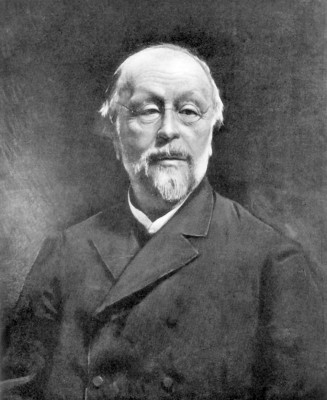
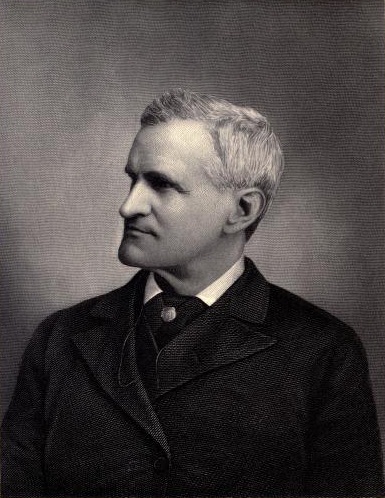
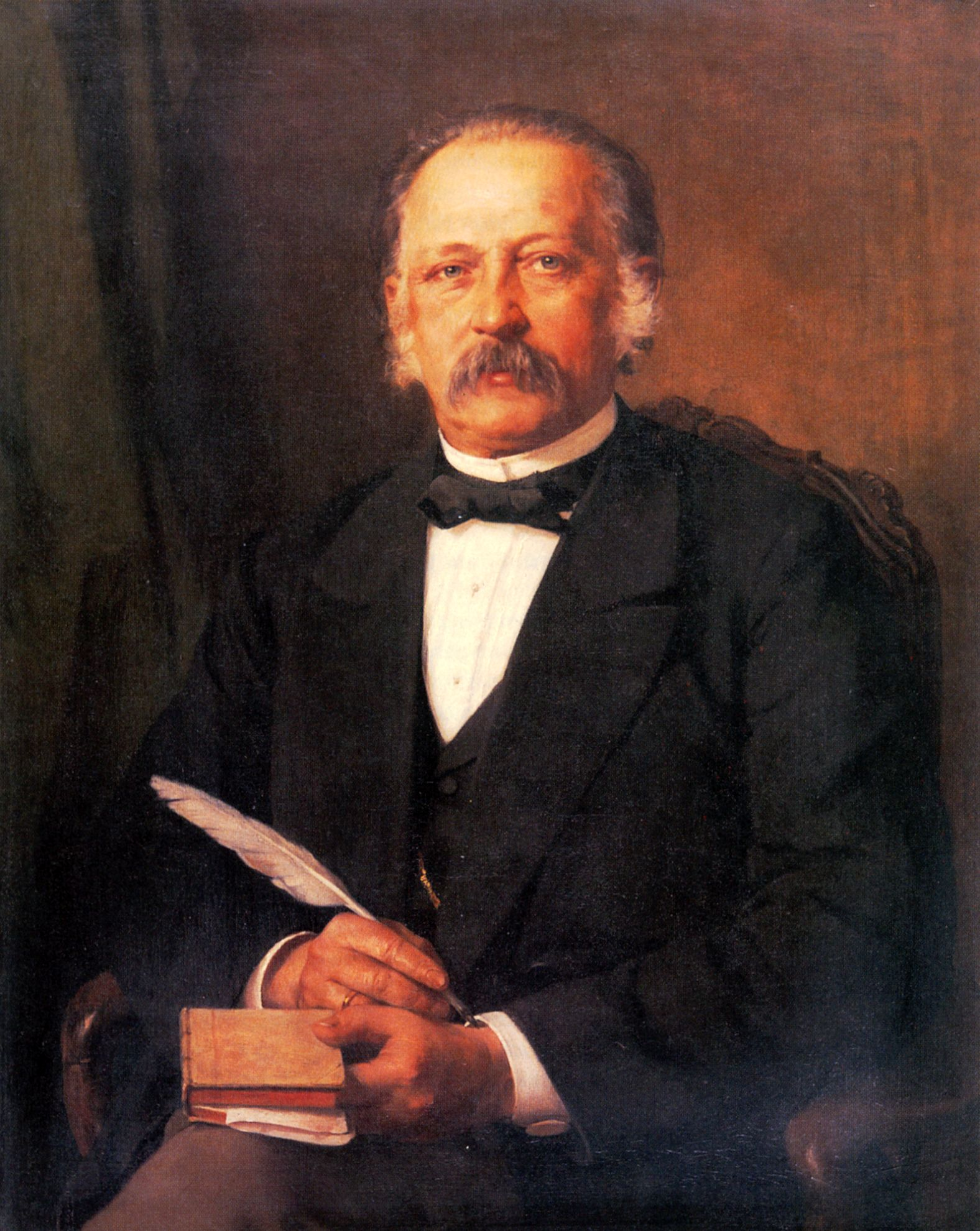
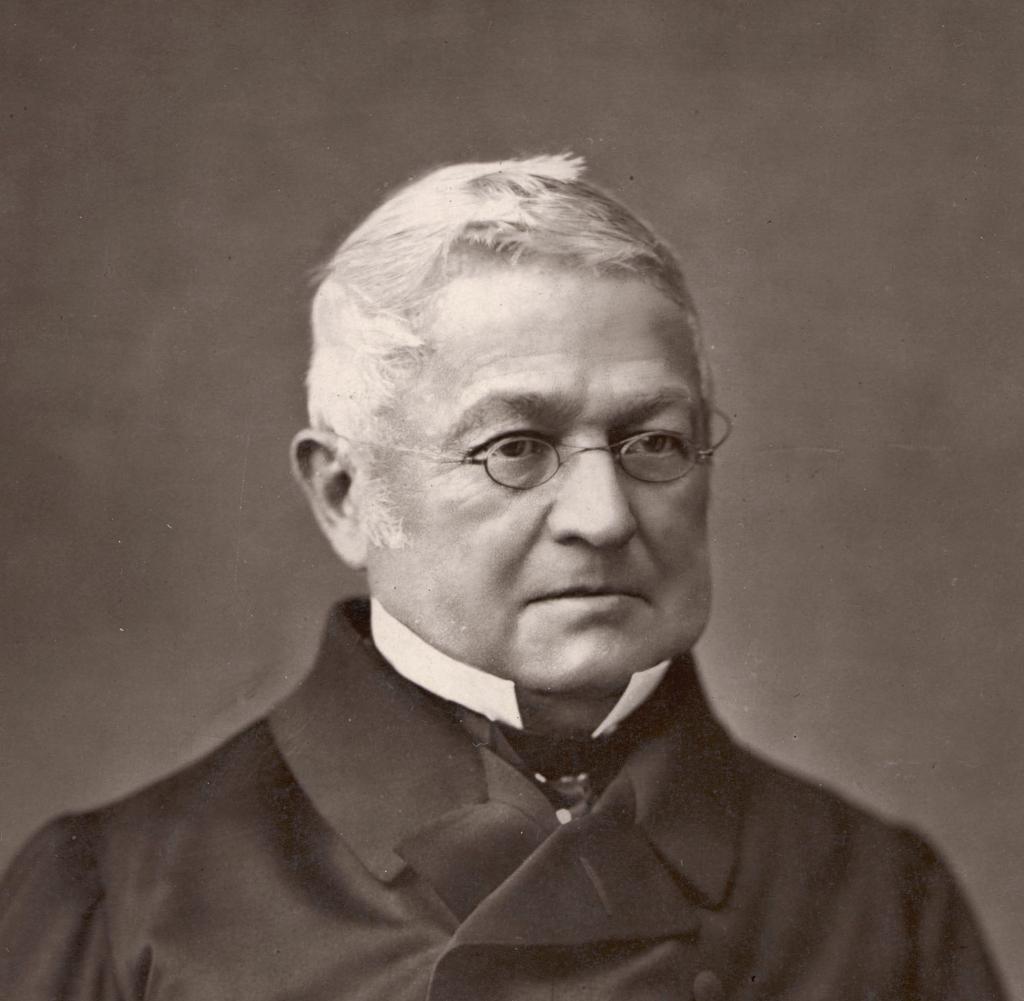
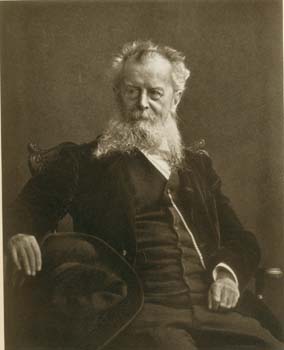
Heinrich von Treitschke was a prominent German historian and political writer known for his extreme nationalist views during the late 19th century. As a member of the National Liberal Party and a significant figure in the Reichstag, he advocated for German colonialism and was a vocal critic of the British Empire. Treitschke's writings often reflected his opposition to various groups within Germany, including Catholics, Poles, Jews, and socialists, which contributed to the growing anti-Semitic sentiment in the country. His influential position as a national scholar allowed him to shape public opinion and legitimize nationalist ideologies. Among his notable works, "History of Germany in the Nineteenth Century" stands out as a significant contribution to historical scholarship, providing insights into the political landscape of his time. Treitschke's legacy is complex; while he is recognized for his historical analysis, his extreme nationalist rhetoric and anti-Semitic views have sparked considerable debate regarding their impact on German society and politics. His work continues to be studied for its role in the development of German nationalism and the historical context of the era, marking him as a controversial yet pivotal figure in German history.
Famous Quotes
View all 1 quotes“The grandeur of war lies in the utter annihilation of puny man in the great conception of the state, and it brings out the full magnificence of the sacrifice of fellow countrymen for one another...the love, the friendliness, and the strength of that mutual sentiment”
Books from the author












Link to this page
Add a free, dofollow link to Lex on your blog, forum, syllabus, or reading list.

<a href="https://lex-books.com/author/heinrich-von-treitschke"><img src="https://lex-books.com/badges/read-on-lex.svg" alt="Heinrich von Treitschke on Lex" width="160" height="40"></a>[](https://lex-books.com/author/heinrich-von-treitschke)[url=https://lex-books.com/author/heinrich-von-treitschke][img]https://lex-books.com/badges/read-on-lex.svg[/img][/url]Heinrich von Treitschke on Lex: https://lex-books.com/author/heinrich-von-treitschke