
Harriet Earhart Monroe
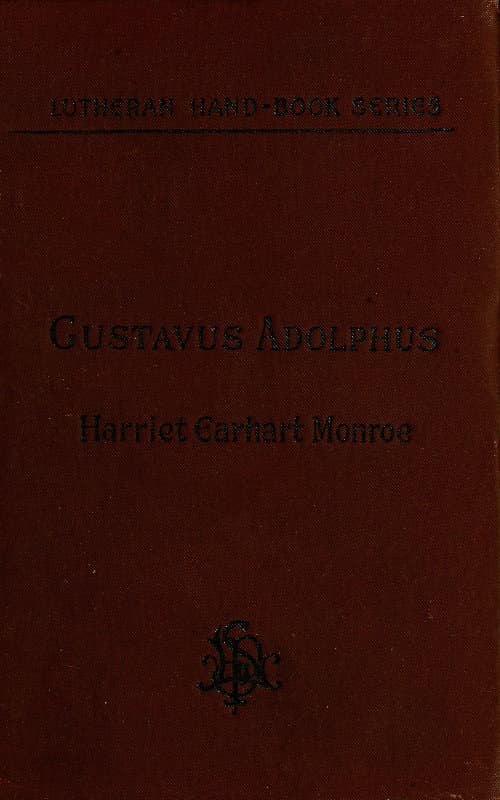
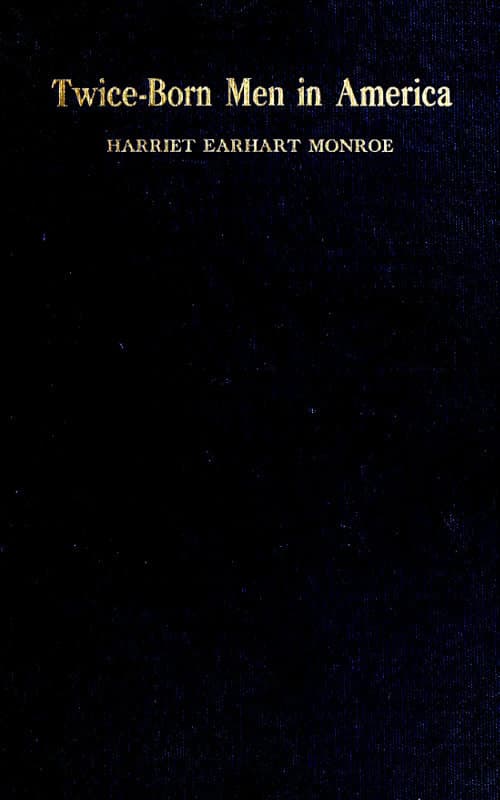
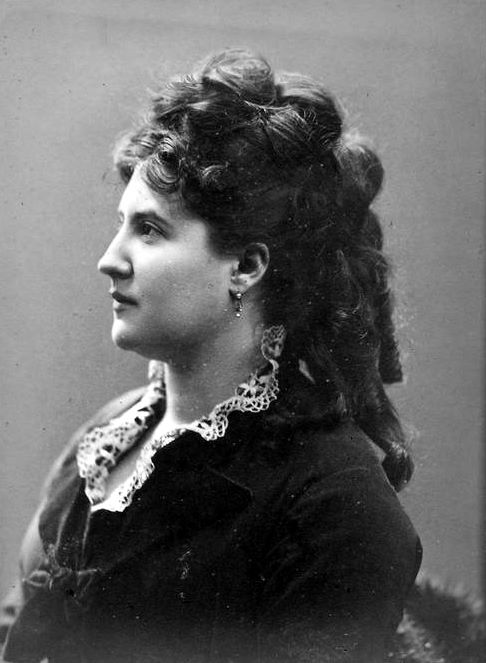
Harriet Earhart Monroe was an influential American lecturer, educator, and writer, renowned for her contributions to Christian psychology and theology. Active in the late 19th and early 20th centuries, she traveled extensively, delivering lectures across the United States, from Boston to Omaha and throughout the South Atlantic states. Monroe was also a pioneer in producing religious stage plays, one of which was notably being performed during the tragic Rhoads Opera House fire, highlighting her commitment to engaging audiences through the arts. In addition to her theatrical endeavors, Monroe was deeply involved in city gospel missions and charitable work, reflecting her dedication to social causes. She wrote a weekly letter for the Lutheran Observer, where she shared her insights and perspectives on faith and community issues. An advocate for women's rights, she supported the suffrage movement, emphasizing the importance of women's voices in both religious and civic spheres. Monroe's legacy lies in her multifaceted contributions to education, religion, and social reform, making her a significant figure in the landscape of American thought during her time.
Books from the author

![Washington, Its Sights and Insights [1903]](/_next/image?url=https%3A%2F%2Fd3b2n8gj62qnwr.cloudfront.net%2FCOVERS%2Fgutenberg_covers75k%2Febook-70503.png&w=3840&q=75)
![Washington, Its Sights and Insights [1909]](/_next/image?url=https%3A%2F%2Fd3b2n8gj62qnwr.cloudfront.net%2FCOVERS%2Fgutenberg_covers75k%2Febook-52202.png&w=3840&q=75)


Link to this page
Add a free, dofollow link to Lex on your blog, forum, syllabus, or reading list.

<a href="https://lex-books.com/author/harriet-earhart-monroe"><img src="https://lex-books.com/badges/read-on-lex.svg" alt="Harriet Earhart Monroe on Lex" width="160" height="40"></a>[](https://lex-books.com/author/harriet-earhart-monroe)[url=https://lex-books.com/author/harriet-earhart-monroe][img]https://lex-books.com/badges/read-on-lex.svg[/img][/url]Harriet Earhart Monroe on Lex: https://lex-books.com/author/harriet-earhart-monroe