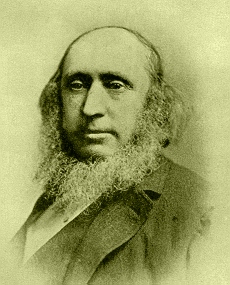
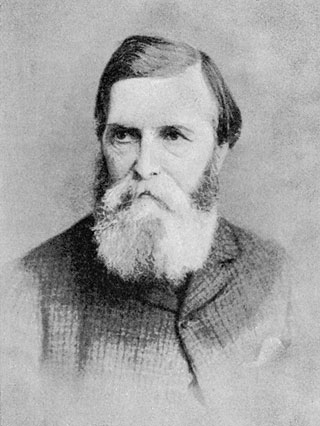
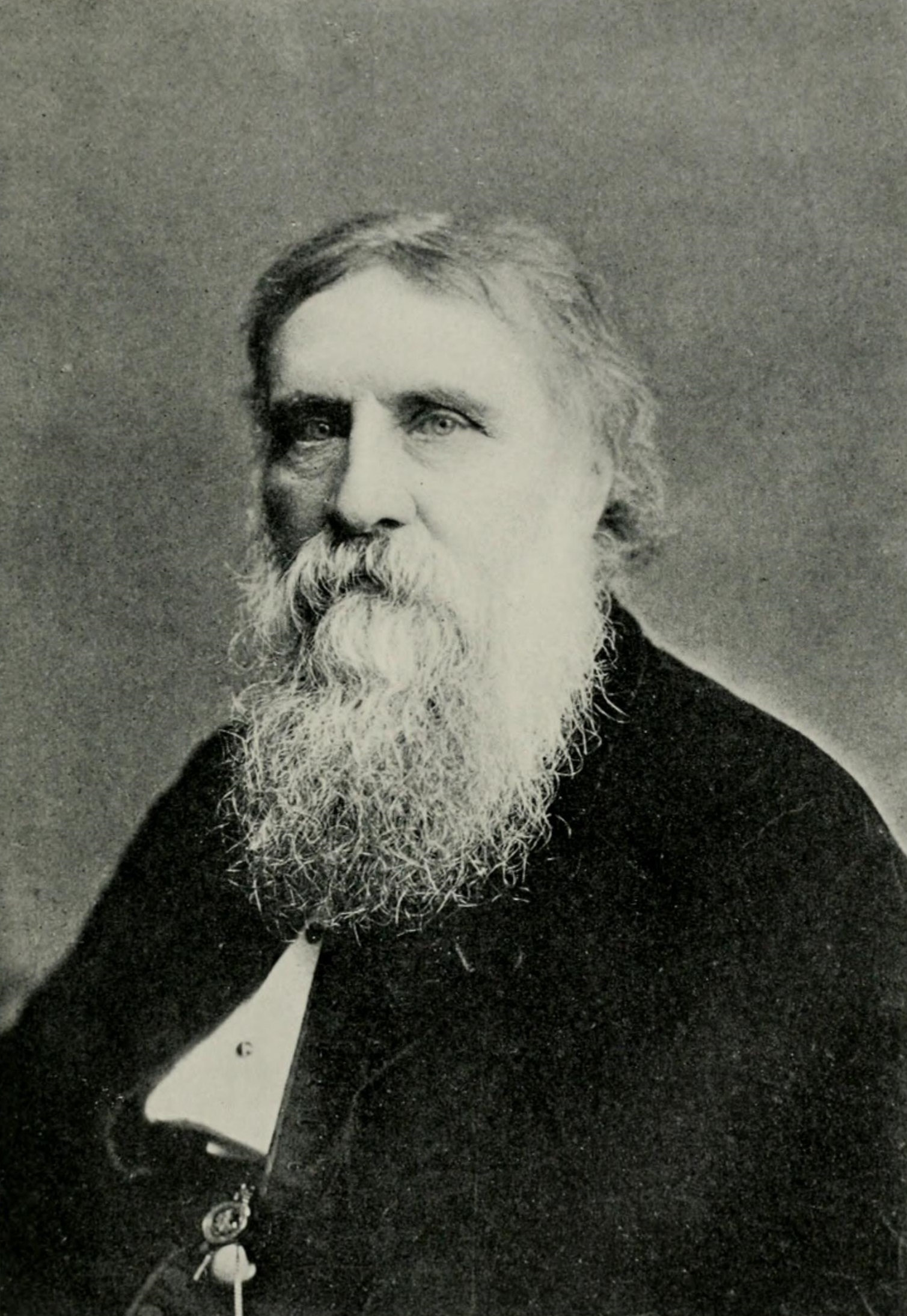
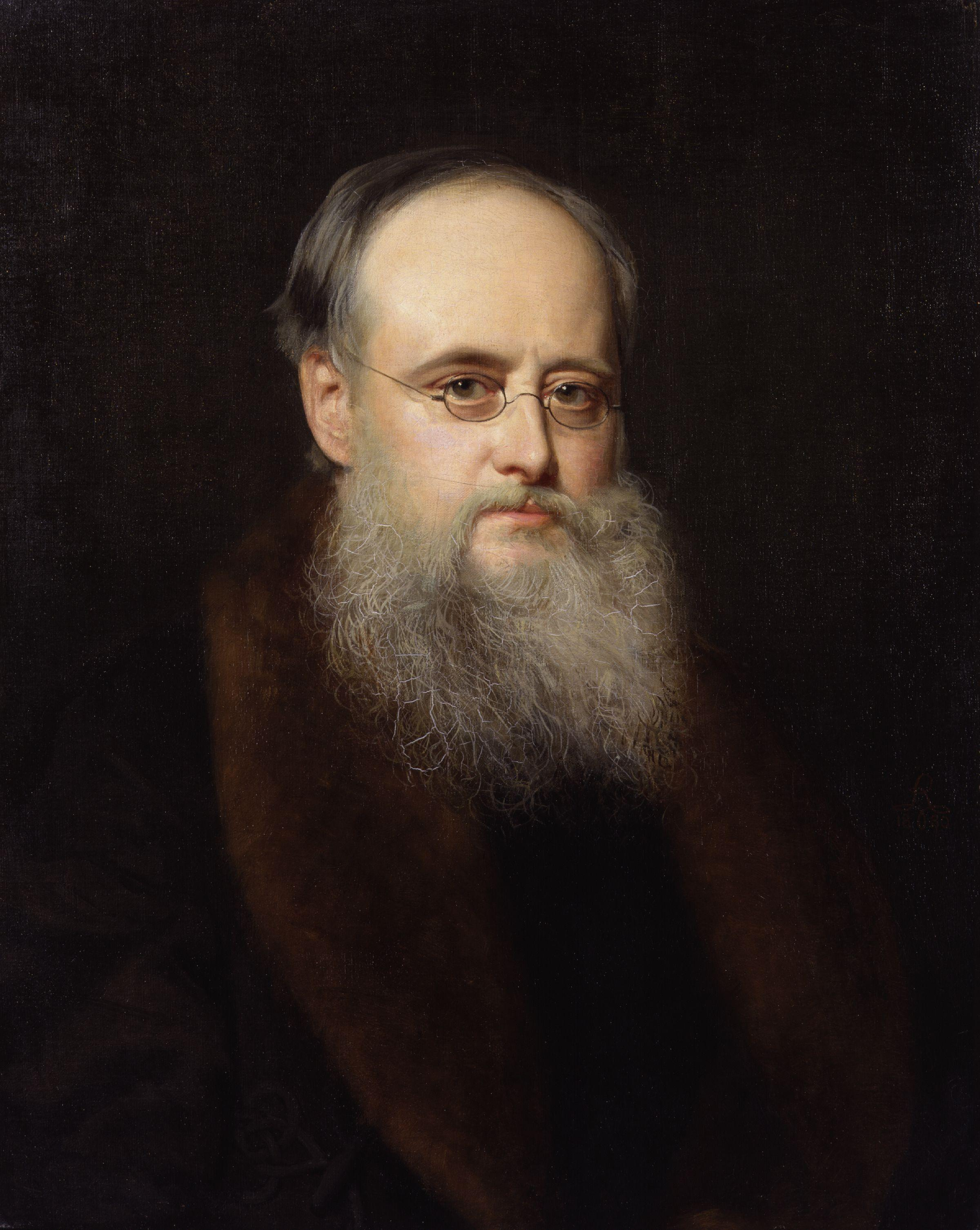
H. G. Keene
H. G. Keene was a British historian and author, recognized for his contributions to the understanding of Indian history during the British colonial period. His most notable work, 'The Fall of the Moghul Empire of Hindustan,' provides a detailed account of the decline of the Mughal Empire, offering insights into the political and social dynamics of India in the 18th century. Keene's analysis is significant for its depth and the context it provides regarding the impact of colonialism on Indian society. In addition to his historical writings, Keene authored 'St. George's Cross; Or, England Above All,' which reflects his patriotic sentiments and the imperialist attitudes of his time. Through his works, Keene contributed to the discourse on British imperialism and its historical narratives, influencing how the history of India was perceived in the West. His writings remain a valuable resource for understanding the complexities of colonial history and the legacy of the Mughal Empire.
Famous Quotes
View all 4 quotes“The name Urdu, by which this language is usually known, is said to be of Turkish origin, and means literally "camp." But the Moghuls of India first introduced it in the precincts of the Imperial camp; so that as Urdu-i-muali (High or Supreme Camp) came to be a synonym for new Dehli after Shahjahan had made it his permanent capital, so Urdu-ki-zaban meant the lingua franca spoken at Dehli.””
“of increase is believed to be about equal to that of the British Islands.””
“He abolished capital punishment, understood and encouraged agriculture, founded numberless colleges and schools, systematically constructed roads and bridges, kept continuous diaries of all public events from his earliest boyhood, administered justice publicly in person, and never condoned the slightest malversation of a provincial governor, however distant his province.””
Books from the author