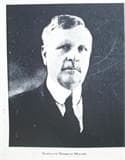
Gustavus Hindman Miller
Gustavus Hindman Miller was a multifaceted figure in early 20th-century America, known for his diverse contributions as a merchant, manufacturer, financier, and author. Born in Chattanooga, Tennessee, he engaged in various business ventures that showcased his entrepreneurial spirit and commitment to community development. Miller's literary work is perhaps best exemplified by his book 'The Interpretation of Dreams,' which delves into the significance of dreams in understanding human psychology. His writings reflect a blend of personal insight and broader societal observations, making him a notable figure in the realm of early psychological literature. Miller's legacy extends beyond his business acumen and literary contributions; he was also recognized for his public service and dedication to the welfare of his community. His ability to intertwine his professional pursuits with a genuine concern for societal issues positioned him as a respected leader in Chattanooga. Through his various roles, Miller left an indelible mark on both the local community and the literary landscape, influencing future generations of writers and thinkers with his explorations of the human experience.
Famous Quotes
View all 3 quotes“In a dream, in a vision of the night, when deep sleep falleth upon men, in slumberings upon the bed; then he openeth the ears of men and sealeth their instruction that he may withdraw man from his purpose, and hide pride from man.'' —Job xxxiii., 15.”
“The objective mind is most active when the body is awake. The subjective influences are most active, and often fill the mind with impressions, while the physical body is asleep. The spiritual intelligence can only intrude itself when the human will is suspended, or passive to external states. A man who lives only on the sensual plane will receive his knowledge through the senses, and will not, while in that state, receive spiritual impressions or warning dreams.”
“Dreams are rudiments of the great state to come. We dream what is about to happen.''—BAILEY,”
Books from the author








Link to this page
Add a free, dofollow link to Lex on your blog, forum, syllabus, or reading list.

<a href="https://lex-books.com/author/gustavus-hindman-miller"><img src="https://lex-books.com/badges/read-on-lex.svg" alt="Gustavus Hindman Miller on Lex" width="160" height="40"></a>[](https://lex-books.com/author/gustavus-hindman-miller)[url=https://lex-books.com/author/gustavus-hindman-miller][img]https://lex-books.com/badges/read-on-lex.svg[/img][/url]Gustavus Hindman Miller on Lex: https://lex-books.com/author/gustavus-hindman-miller