
Gilbert Seldes
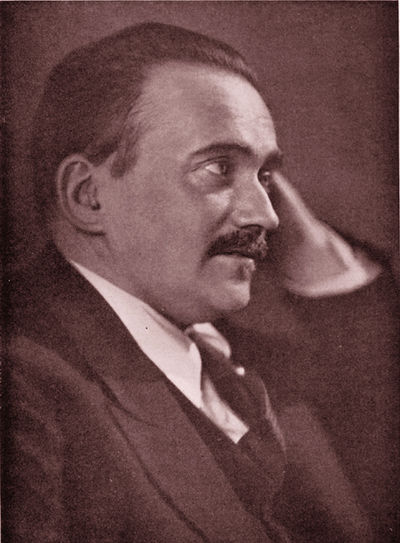
Gilbert Seldes was an influential American writer and cultural critic, recognized for his extensive contributions to the understanding of popular culture in the United States. He served as the editor and drama critic for the modernist magazine The Dial, where he explored the intersection of art and society. Seldes also made his mark on Broadway, adapting works such as Lysistrata and A Midsummer Night's Dream during the 1930s, showcasing his versatility as a writer. His passion for cultural history extended beyond the stage; he hosted the NBC television program The Subject is Jazz in 1958, further solidifying his role as a prominent commentator on American culture. Throughout his career, Seldes was a vocal advocate for cultural democracy and public criticism of the media, believing in the importance of engaging with popular arts. He was the first director of television for CBS News and later became the founding dean of the Annenberg School for Communication at the University of Pennsylvania. His reflections on popular culture were often infused with humor and insight, as evidenced by his remark about his ongoing 'lover's quarrel' with the arts. Seldes's legacy lies in his pioneering efforts to elevate the discourse surrounding American popular culture, making him a key figure in the evolution of cultural criticism in the 20th century.
Famous Quotes
View all 3 quotes“I came gradually to want to prove nothing.”
“One wishes they had been as intelligent as they were gallant, as beautiful as they were fanatic. But making all reservations, these communities still have a touch of human dignity, and it seems hard that they should have struggled and perished and left their name to be exploited as bait for bad furniture and limp leather books.”
“Professor Leuba’s criticism of Yoga notes the points of similarity and difference between oriental and Christian mysticism; but Yoga, as brought to America, was intended less for mystics than for nervous and idle women.”
Books from the author

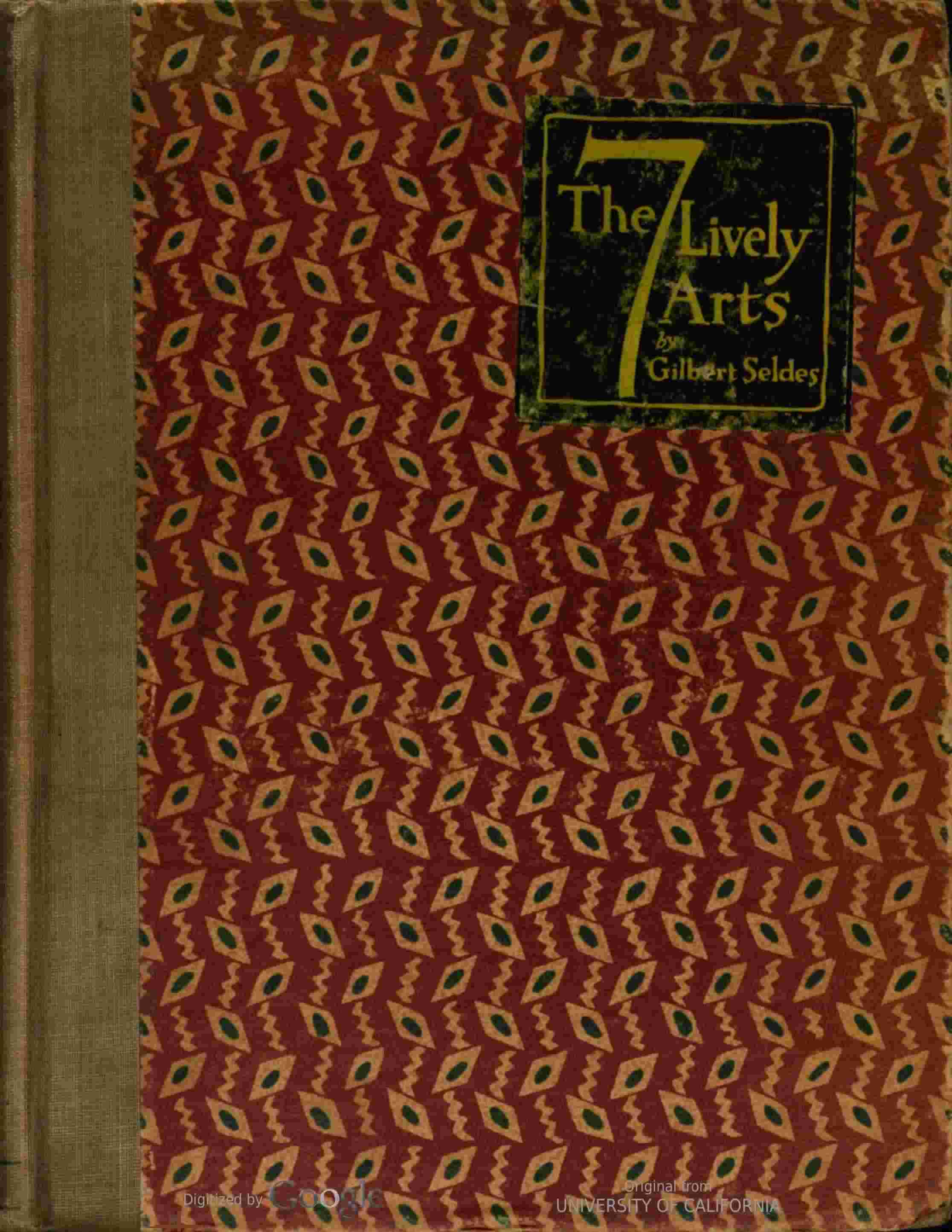




Link to this page
Add a free, dofollow link to Lex on your blog, forum, syllabus, or reading list.

<a href="https://lex-books.com/author/gilbert-seldes"><img src="https://lex-books.com/badges/read-on-lex.svg" alt="Gilbert Seldes on Lex" width="160" height="40"></a>[](https://lex-books.com/author/gilbert-seldes)[url=https://lex-books.com/author/gilbert-seldes][img]https://lex-books.com/badges/read-on-lex.svg[/img][/url]Gilbert Seldes on Lex: https://lex-books.com/author/gilbert-seldes