Henry Beston
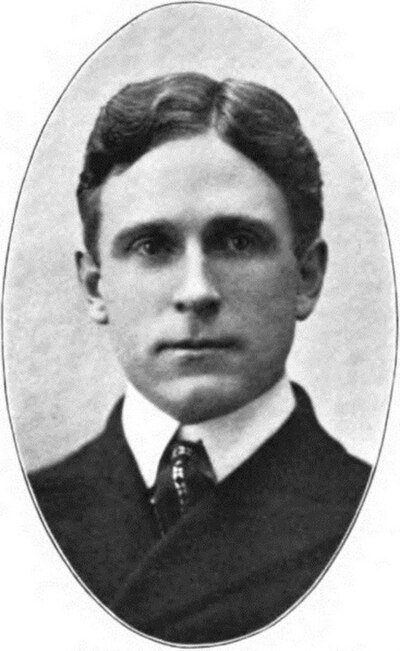
Henry Beston was an American writer and naturalist whose work celebrated the beauty and power of nature. He is best known for his seminal book, The Outermost House, published in 1928, which chronicles his year-long experience living in a small cottage on Cape Cod. This reflective narrative not only captures the essence of the coastal landscape but also explores the relationship between humanity and the natural world, emphasizing the importance of solitude and observation in understanding nature's rhythms. Beston's writing is notable for its lyrical prose and deep appreciation for the environment, positioning him as a precursor to the modern environmental movement. His works, including Northern Farm and The Book of Nature, further established his reputation as a keen observer of the natural world. Through his vivid descriptions and philosophical insights, Beston influenced a generation of writers and naturalists, advocating for a more profound connection to the earth. His legacy endures in the realms of nature writing and environmental advocacy, inspiring readers to appreciate and protect the natural world around them.
Famous Quotes
View all 3 quotes“We need another and a wiser and perhaps a more mystical concept of animals. Remote from universal nature and living by complicated artifice, man in civilization surveys the creature through the glass of his knowledge and sees thereby a feather magnified and the whole image in distortion. We patronize them for their incompleteness, for their tragic fate for having taken form so far below ourselves. And therein do we err. For the animal shall not be measured by man. In a world older and more complete than ours, they move finished and complete, gifted with the extension of the senses we have lost or never attained, living by voices we shall never hear. They are not brethren, they are not underlings: they are other nations, caught with ourselves in the net of life and time, fellow prisoners of the splendour and travail of the earth.”
“The leaves fall, the wind blows, and the farm country slowly changes from the summer cottons into its winter wools.”
“The world to-day is sick to its thin blood for lack of elemental things, for fire before the hands, for water welling from the earth, for air, for the dear earth itself underfoot. In my world of beach and dunes these elemental presences lived and had their being, and under their arch there moved an incomparable pageant of nature and the year.”
Books from the author



Link to this page
Add a free, dofollow link to Lex on your blog, forum, syllabus, or reading list.

<a href="https://lex-books.com/author/henry-beston"><img src="https://lex-books.com/badges/read-on-lex.svg" alt="Henry Beston on Lex" width="160" height="40"></a>[](https://lex-books.com/author/henry-beston)[url=https://lex-books.com/author/henry-beston][img]https://lex-books.com/badges/read-on-lex.svg[/img][/url]Henry Beston on Lex: https://lex-books.com/author/henry-beston