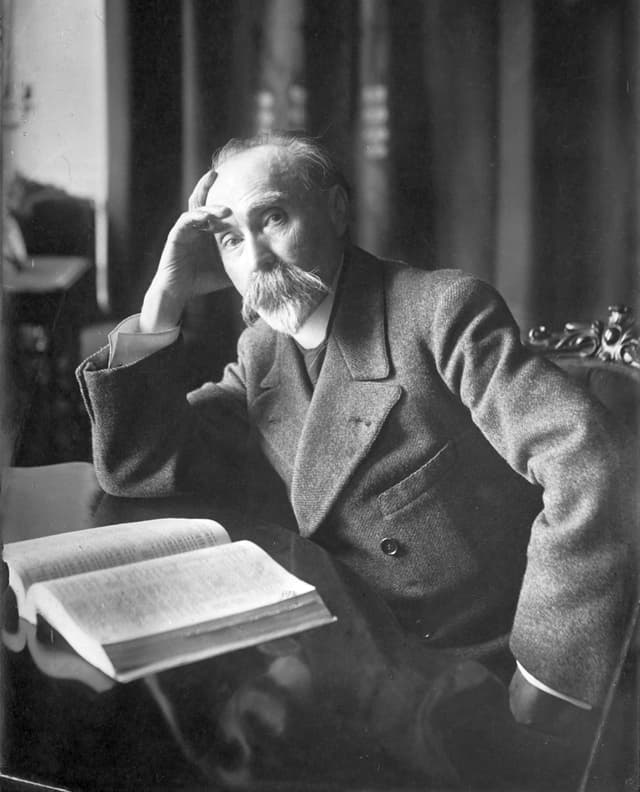
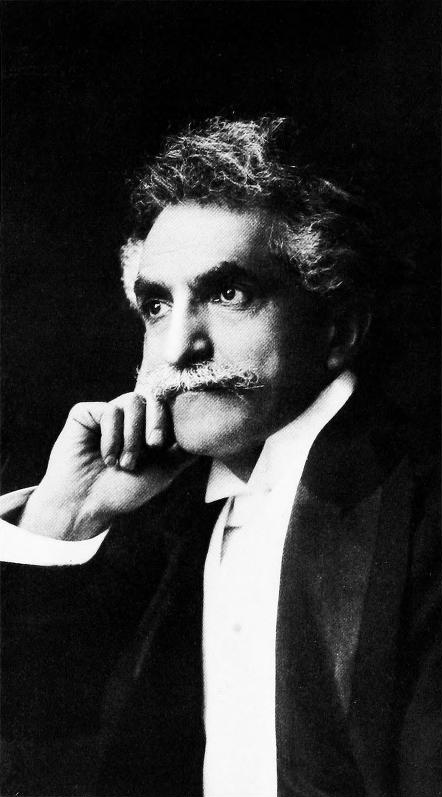
Georgii Valentinovich Plekhanov
Georgii Valentinovich Plekhanov was a pivotal figure in the development of Marxist thought in Russia, often referred to as the 'father of Russian Marxism.' Initially a populist, he transitioned to Marxism and founded the Emancipation of Labour group in 1883, marking the establishment of the first Russian Marxist political organization. His theoretical writings and activism played a crucial role in shaping the revolutionary landscape of Russia, influencing key figures such as Vladimir Lenin. Plekhanov was a prominent leader in the Russian Social Democratic Labour Party (RSDLP) and the Second International, contributing to the party's newspaper, Iskra, in collaboration with Lenin. Despite his early alignment with the Bolsheviks, Plekhanov eventually diverged from Lenin's faction over organizational principles, becoming a leading figure in the Menshevik faction. He argued that Russia was not yet ready for a proletarian revolution, a stance he maintained during the 1905 Russian Revolution. His views shifted during World War I, where he adopted a nationalist position that set him apart from many international socialists. After the February Revolution in 1917, he returned to Russia and supported the Provisional Government, vehemently opposing the Bolsheviks and warning against the consequences of their October Revolution. Plekhanov's legacy is marked by his contributions to Marxist theory and his complex role in the revolutionary movements of early 20th-century Russia.
Books from the author







Link to this page
Add a free, dofollow link to Lex on your blog, forum, syllabus, or reading list.

<a href="https://lex-books.com/author/georgii-valentinovich-plekhanov"><img src="https://lex-books.com/badges/read-on-lex.svg" alt="Georgii Valentinovich Plekhanov on Lex" width="160" height="40"></a>[](https://lex-books.com/author/georgii-valentinovich-plekhanov)[url=https://lex-books.com/author/georgii-valentinovich-plekhanov][img]https://lex-books.com/badges/read-on-lex.svg[/img][/url]Georgii Valentinovich Plekhanov on Lex: https://lex-books.com/author/georgii-valentinovich-plekhanov