The Flourishing of Romance and the Rise of Allegory: (periods of European Literature, Vol. II)
1849
The Flourishing of Romance and the Rise of Allegory: (periods of European Literature, Vol. II)
1849
This is the story of European literature finding its modern voice. In the twelfth and thirteenth centuries, writers abandoned Latin and began telling stories in the languages people actually spoke, French, Provençal, English. The result was a literary revolution: chivalric romances of knights and courts, allegories that dressed ideas in narrative clothing, and the birth of vernacular storytelling traditions that would shape Western literature for centuries. George Saintsbury traces this transformation with the keen eye of a scholar who understands that literature does not evolve in isolation. Here is the emergence of courtly love, the Matter of Britain and France, the elaborate dreaming poems and narrative frameworks that influenced everything from Spenser to Romanticism. Saintsbury argues passionately that the vernacular was not merely a curiosity but the true heartbeat of medieval literary culture, far livelier than the Latin tradition that dominated academic study. For anyone curious about where our modern literary imagination truly began, this volume offers a guided tour through the workshops where romance and allegory were being forged into something new.
Editions
X-Ray
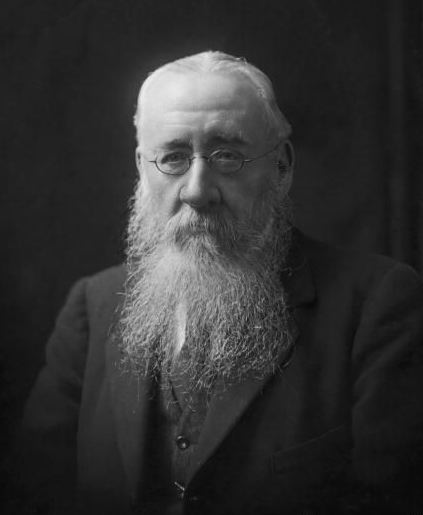
Professor of Rhetoric and English Literature at the University of Edinburgh, editor of the Periods of European Literature series. A literary critic and scholar examining the development of European vernacular literatures in the 12th and 13th centuries.
The great Frankish emperor who appears throughout the chansons de geste as 'li empereres à la barbe florie.' Often portrayed as gullible and prone to violent outbursts, yet always the defender of Christianity against the Saracens.
The greatest of Charlemagne's paladins and hero of the oldest chanson de geste. Dies heroically at Roncesvalles after refusing to sound his horn for help until too late.
The legendary British king who becomes the center of the greatest medieval romance cycle. Transforms from a historical war-leader against the Saxons into the ideal Christian monarch presiding over the Round Table.
About The Flourishing of Romance and the Rise of Allegory: (periods of European Literature, Vol. II)
Chapter Summaries
- Preface
- Saintsbury explains the methodology and scope of the series, defending the approach of having single authors survey entire periods rather than specialists covering individual literatures. He outlines his qualifications and the principle of focusing on the most prominent literature of each period.
- 1
- Examines the continuing role of Latin literature in the 12th-13th centuries, focusing on comic Latin poetry, hymns (especially the Dies Irae), and Scholastic philosophy. Shows how Latin remained influential while vernacular literatures developed.
- 2
- Comprehensive analysis of the French epic tradition, focusing on the Chanson de Roland and the cycle of William of Orange. Explores their historical basis, literary characteristics, and cultural significance as the earliest great vernacular literature.
Key Themes
- Literary Evolution and Language Development
- The book traces how vernacular languages developed sophisticated literary forms, moving from crude beginnings to rival and eventually surpass Latin literature. This evolution represents a fundamental shift in European cultural expression.
- The Supremacy of French Literary Innovation
- France emerges as the dominant literary force of the 12th-13th centuries, creating the major romance cycles, perfecting lyric forms, and establishing narrative techniques that all of Europe would imitate and adapt.
- The Rise of Romance and Chivalric Ideals
- The development of courtly romance, particularly the Arthurian cycle, represents a new literary sensibility that combines Christian spirituality, secular love, and heroic adventure in unprecedented ways.
Characters
- George Saintsbury(protagonist)
- Professor of Rhetoric and English Literature at the University of Edinburgh, editor of the Periods of European Literature series. A literary critic and scholar examining the development of European vernacular literatures in the 12th and 13th centuries.
- Charlemagne(major)
- The great Frankish emperor who appears throughout the chansons de geste as 'li empereres à la barbe florie.' Often portrayed as gullible and prone to violent outbursts, yet always the defender of Christianity against the Saracens.
- Roland(major)
- The greatest of Charlemagne's paladins and hero of the oldest chanson de geste. Dies heroically at Roncesvalles after refusing to sound his horn for help until too late.
- Arthur(major)
- The legendary British king who becomes the center of the greatest medieval romance cycle. Transforms from a historical war-leader against the Saxons into the ideal Christian monarch presiding over the Round Table.
- Lancelot(major)
- The greatest knight of the Round Table, torn between his love for Queen Guinevere and his quest for spiritual perfection. Father of Galahad, the Grail knight.
- Guinevere(major)
- Arthur's queen whose love affair with Lancelot becomes the tragic heart of the Arthurian legend. The first fully human woman in English literature according to Saintsbury.
Link to this book
Add a free, dofollow link to Lex on your blog, forum, syllabus, or reading list.

<a href="https://lex-books.com/book/the-flourishing-of-romance-and-the-rise-of-allegory-periods-of-european-literatu-934c16b6-03af-4223-a503-60db919b4691"><img src="https://lex-books.com/badges/read-on-lex.svg" alt="Read The Flourishing of Romance and the Rise of Allegory: (periods of European Literature, Vol. II) by George Saintsbury free on Lex" width="160" height="40"></a>[](https://lex-books.com/book/the-flourishing-of-romance-and-the-rise-of-allegory-periods-of-european-literatu-934c16b6-03af-4223-a503-60db919b4691)[url=https://lex-books.com/book/the-flourishing-of-romance-and-the-rise-of-allegory-periods-of-european-literatu-934c16b6-03af-4223-a503-60db919b4691][img]https://lex-books.com/badges/read-on-lex.svg[/img][/url]Read The Flourishing of Romance and the Rise of Allegory: (periods of European Literature, Vol. II) by George Saintsbury free on Lex: https://lex-books.com/book/the-flourishing-of-romance-and-the-rise-of-allegory-periods-of-european-literatu-934c16b6-03af-4223-a503-60db919b4691Cite this book
Reading this edition for a paper or guide? Copy a citation.
Saintsbury, George. The Flourishing of Romance and the Rise of Allegory: (periods of European Literature, Vol. II). Lex, lex-books.com/book/the-flourishing-of-romance-and-the-rise-of-allegory-periods-of-european-literatu-934c16b6-03af-4223-a503-60db919b4691.Saintsbury, G. (1849). The Flourishing of Romance and the Rise of Allegory: (periods of European Literature, Vol. II). Lex. https://lex-books.com/book/the-flourishing-of-romance-and-the-rise-of-allegory-periods-of-european-literatu-934c16b6-03af-4223-a503-60db919b4691Saintsbury, George. The Flourishing of Romance and the Rise of Allegory: (periods of European Literature, Vol. II). Lex. https://lex-books.com/book/the-flourishing-of-romance-and-the-rise-of-allegory-periods-of-european-literatu-934c16b6-03af-4223-a503-60db919b4691.