George O'Brien
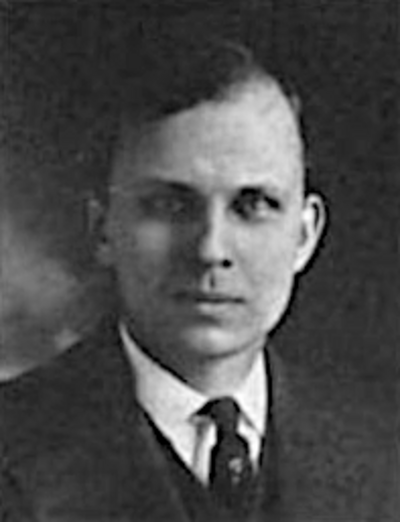
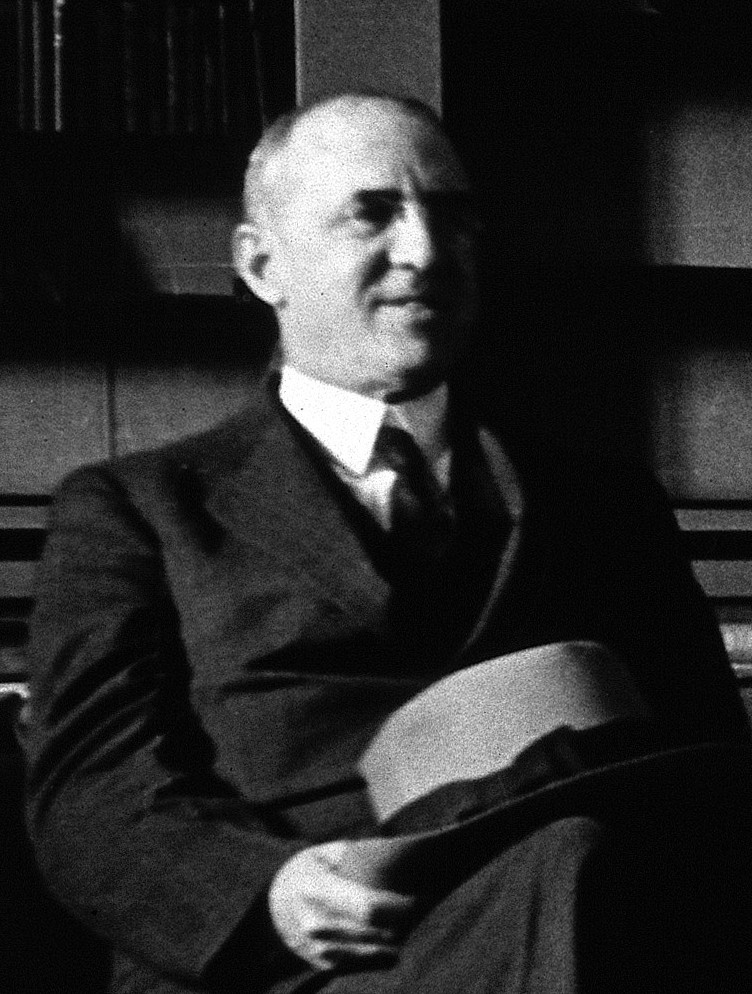
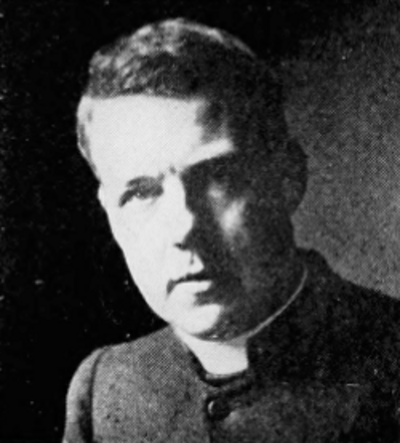
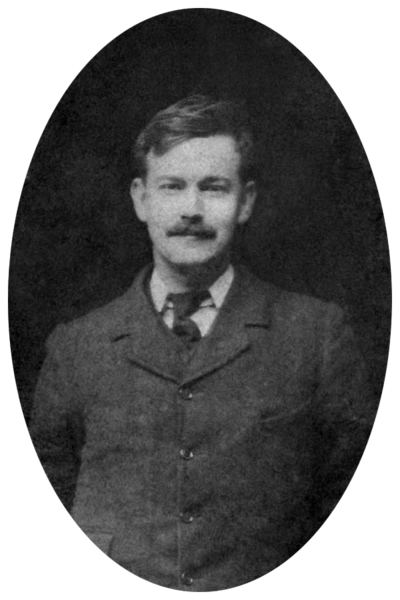
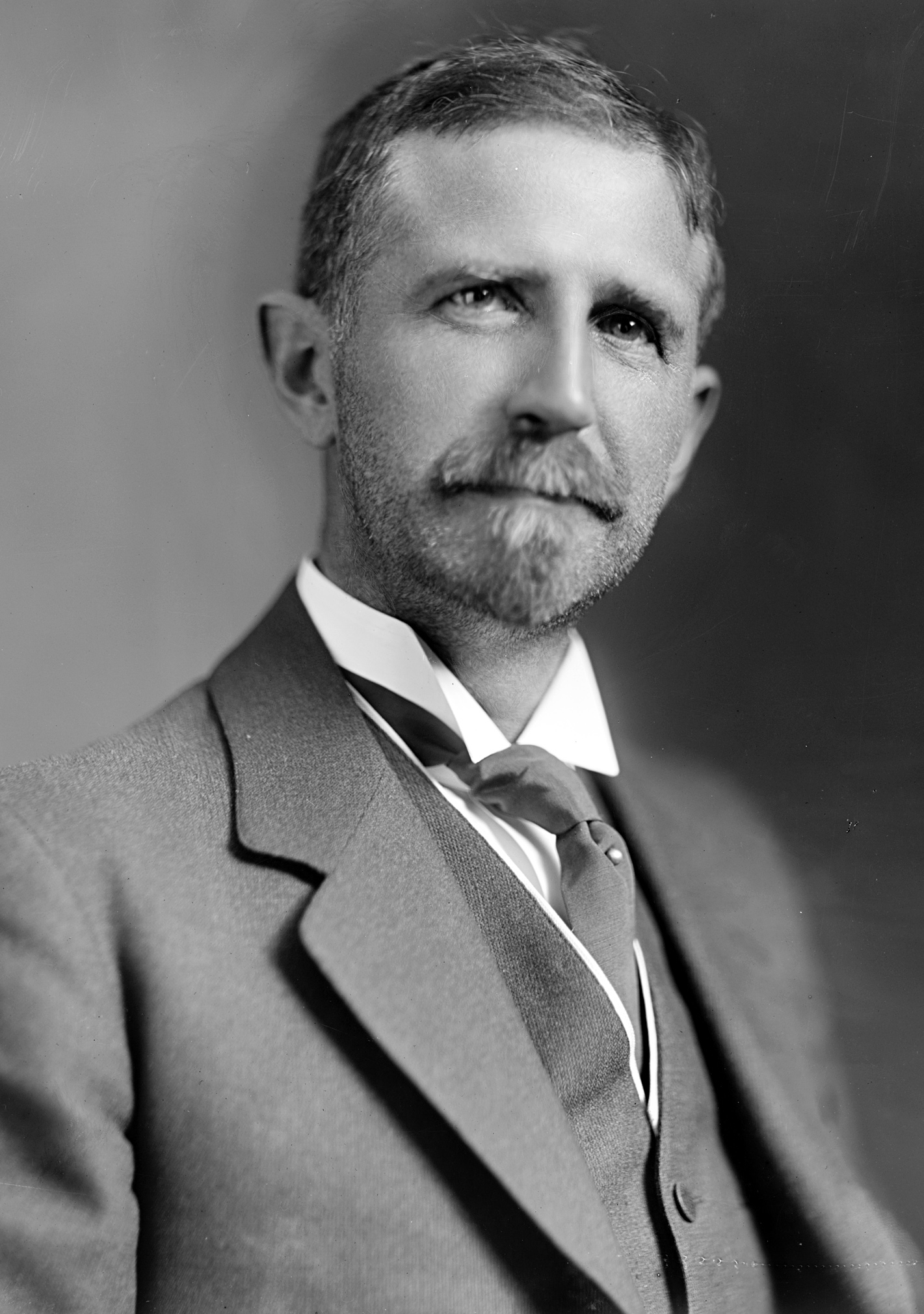
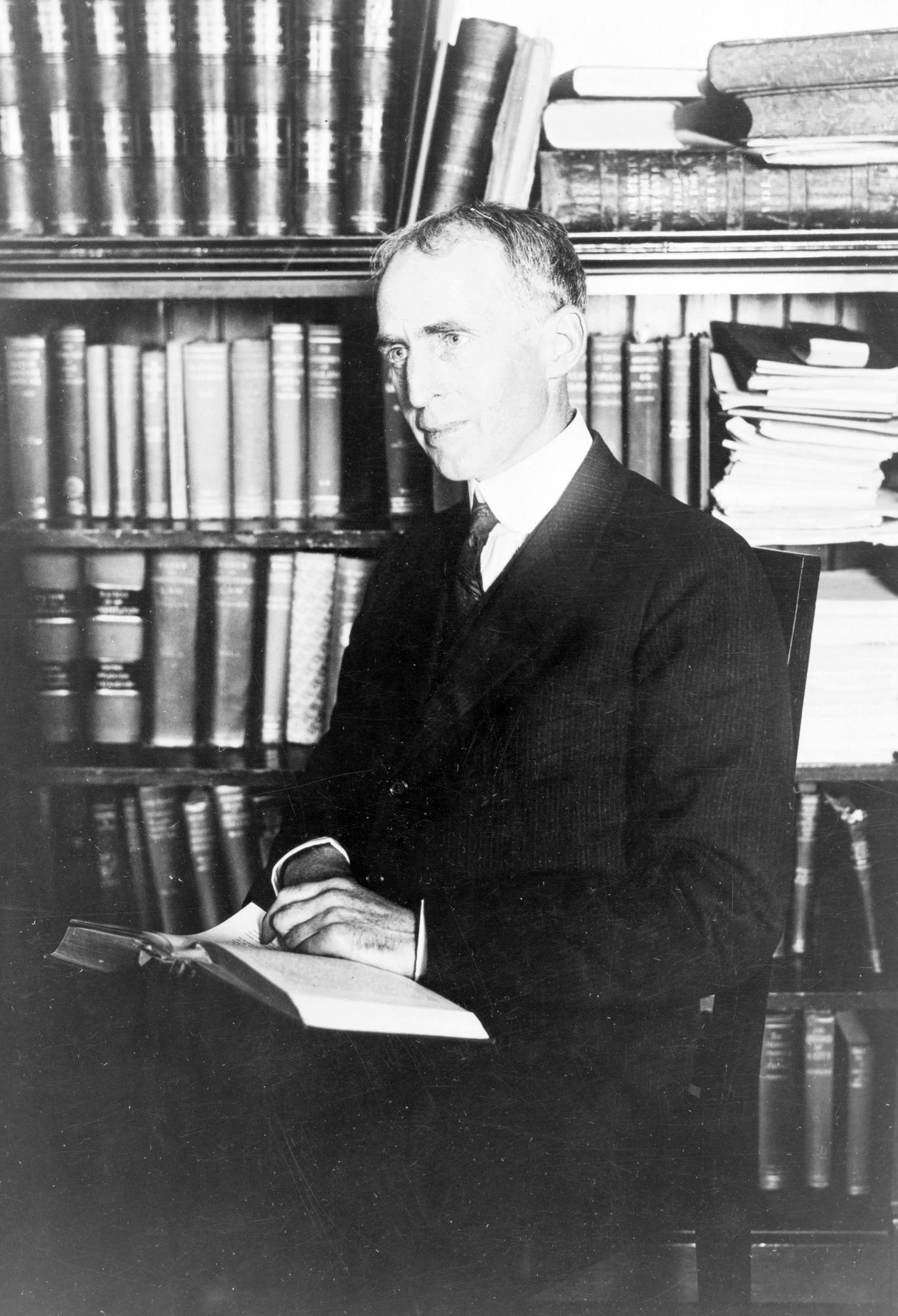
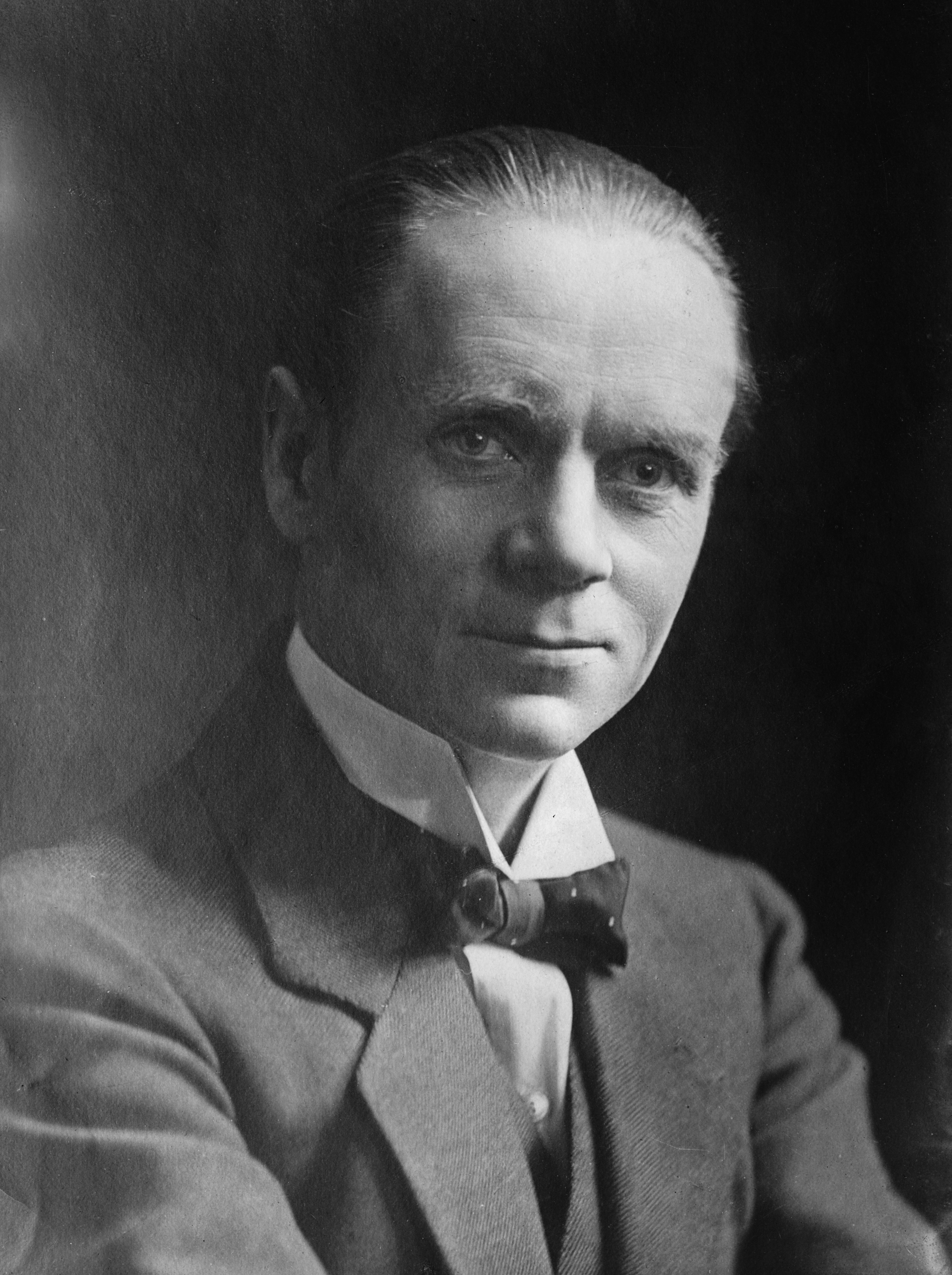
George O'Brien was an influential Irish economist and historian, recognized for his significant contributions to the understanding of medieval economic thought and the economic history of Ireland. His scholarly work, 'An Essay on Mediæval Economic Teaching,' delved into the economic doctrines of the Middle Ages, exploring how these ideas shaped contemporary economic theories and practices. O'Brien's meticulous research and analysis provided a foundation for later studies in medieval economics, highlighting the complexities and nuances of economic thought during that era. In addition to his work on medieval economics, O'Brien authored 'The Economic History of Ireland from the Union to the Famine,' which offered a comprehensive examination of Ireland's economic landscape during a tumultuous period. This work not only chronicled the economic challenges faced by Ireland but also contextualized them within broader historical events, such as the Great Famine. O'Brien's writings are notable for their depth of analysis and their ability to connect economic theory with historical realities, making him a key figure in the field of economic history. His legacy endures through his contributions to the understanding of Ireland's economic past and the evolution of economic thought in general.
Famous Quotes
View all 19 quotes“Winston Smith: Does Big Brother exist?O'Brien: Of course he exists.Winston Smith: Does he exist like you or me?O'Brien: You do not exist.””
“You asked me once,' said O'Brien, 'what was in Room 101. I told you that you knew the answer already. Everyone knows it. The thing that is in Room 101 is the worst thing in the world.””
“The Party told you to reject the evidence of your eyes and ears. It was their final, most essential command. His heart sank as he thought of the enormous power arrayed against him, the ease with which any Party intellectual would overthrow him in debate, the subtle arguments which he would not be able to understand, much less answer. And yet he was in the right! They were wrong and he was right. The obvious, the silly and the true had got to be defended. Truisms are true, hold on to that! The solid world exists, its laws do not change. Stones are hard, water is wet, objects unsupported fall towards the earth’s centre. With the feeling that he was speaking to O’Brien, and also that he was setting forth an important axiom, he wrote: Freedom is the freedom to say that two plus two make four. If that is granted, all else follows.””
Books from the author



Link to this page
Add a free, dofollow link to Lex on your blog, forum, syllabus, or reading list.

<a href="https://lex-books.com/author/george-obrien"><img src="https://lex-books.com/badges/read-on-lex.svg" alt="George O'Brien on Lex" width="160" height="40"></a>[](https://lex-books.com/author/george-obrien)[url=https://lex-books.com/author/george-obrien][img]https://lex-books.com/badges/read-on-lex.svg[/img][/url]George O'Brien on Lex: https://lex-books.com/author/george-obrien