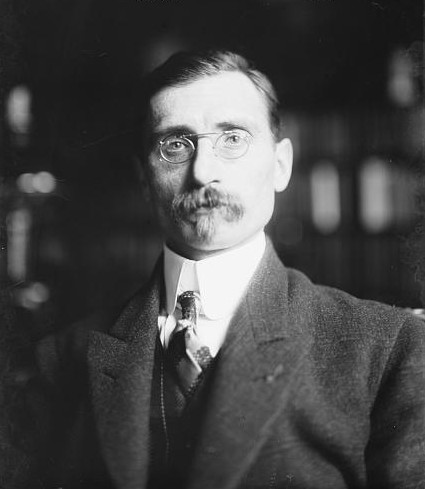
Albert Howe Lybyer
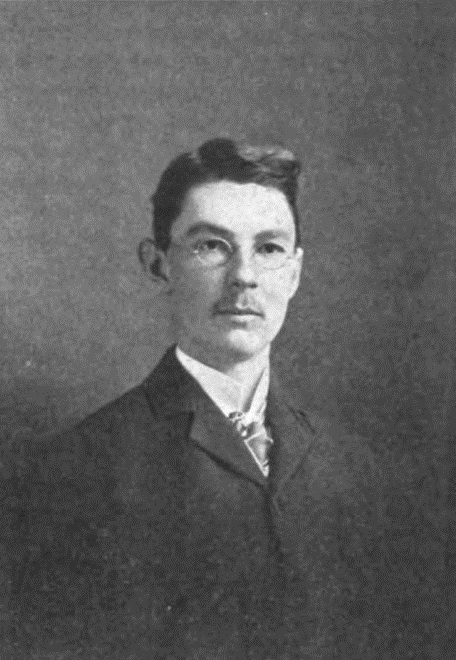
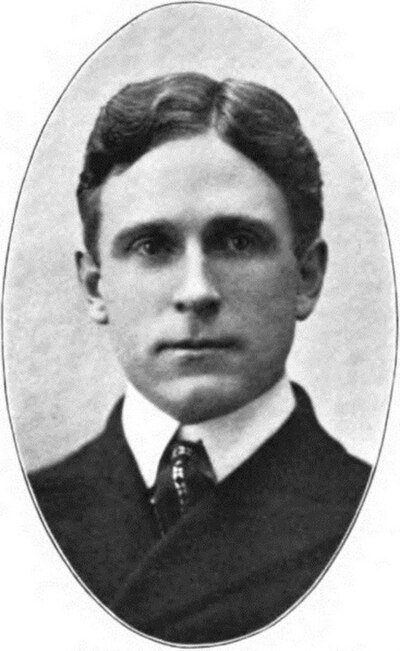
Albert Howe Lybyer was an influential scholar whose work focused on the history of the Middle East and the Balkans. Born in Putnamville, Indiana, he embarked on an academic career that saw him teach at several prestigious institutions, including Robert College in Istanbul and Harvard University. His tenure at Oberlin College and the University of Illinois further solidified his reputation as a leading historian of his time. Notably, Lybyer served as a technical advisor to the King–Crane Commission in 1919, which aimed to address issues in the post-World War I Middle East. Lybyer's most significant contribution to historical scholarship is his book, "The Government of the Ottoman Empire in the Time of Suleiman the Magnificent," which provided a comprehensive analysis of Ottoman governance during a pivotal era. This work not only highlighted the complexities of the Ottoman administrative system but also influenced subsequent studies on the empire's history. His engagement with contemporary scholars, such as providing feedback to Barnette Miller for her book "Beyond the Sublime Porte," further underscores his impact on the field. Lybyer's legacy endures through his meticulous research and the scholarly conversations he fostered, making him a key figure in the study of Ottoman and Balkan history.
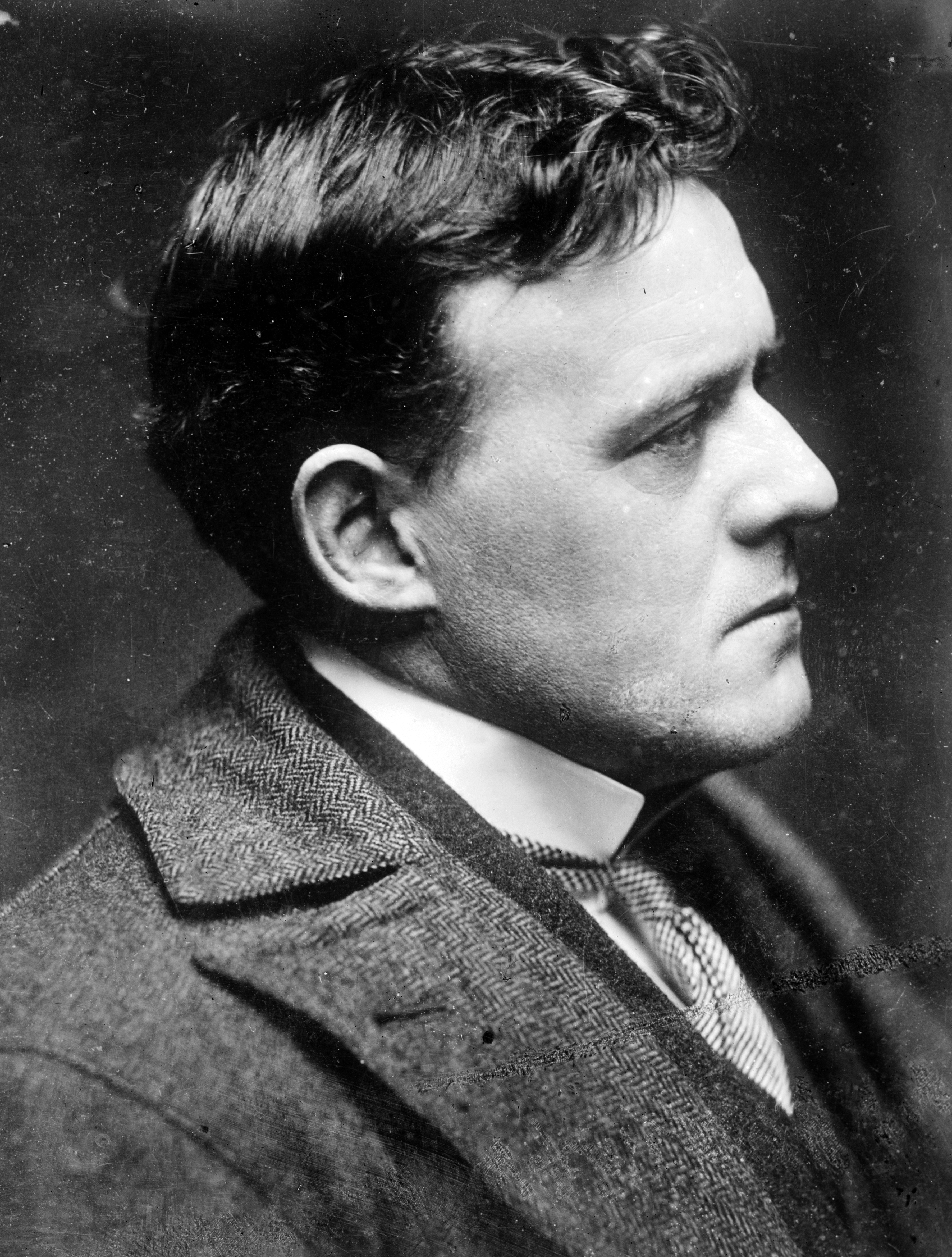
Books from the author





Link to this page
Add a free, dofollow link to Lex on your blog, forum, syllabus, or reading list.

<a href="https://lex-books.com/author/albert-howe-lybyer"><img src="https://lex-books.com/badges/read-on-lex.svg" alt="Albert Howe Lybyer on Lex" width="160" height="40"></a>[](https://lex-books.com/author/albert-howe-lybyer)[url=https://lex-books.com/author/albert-howe-lybyer][img]https://lex-books.com/badges/read-on-lex.svg[/img][/url]Albert Howe Lybyer on Lex: https://lex-books.com/author/albert-howe-lybyer