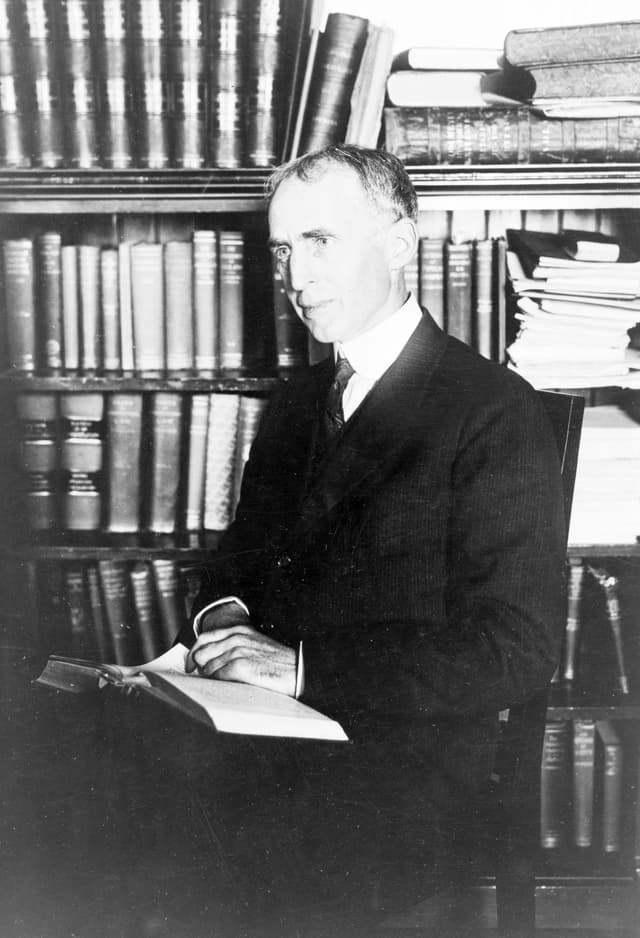
Charles A. Beard
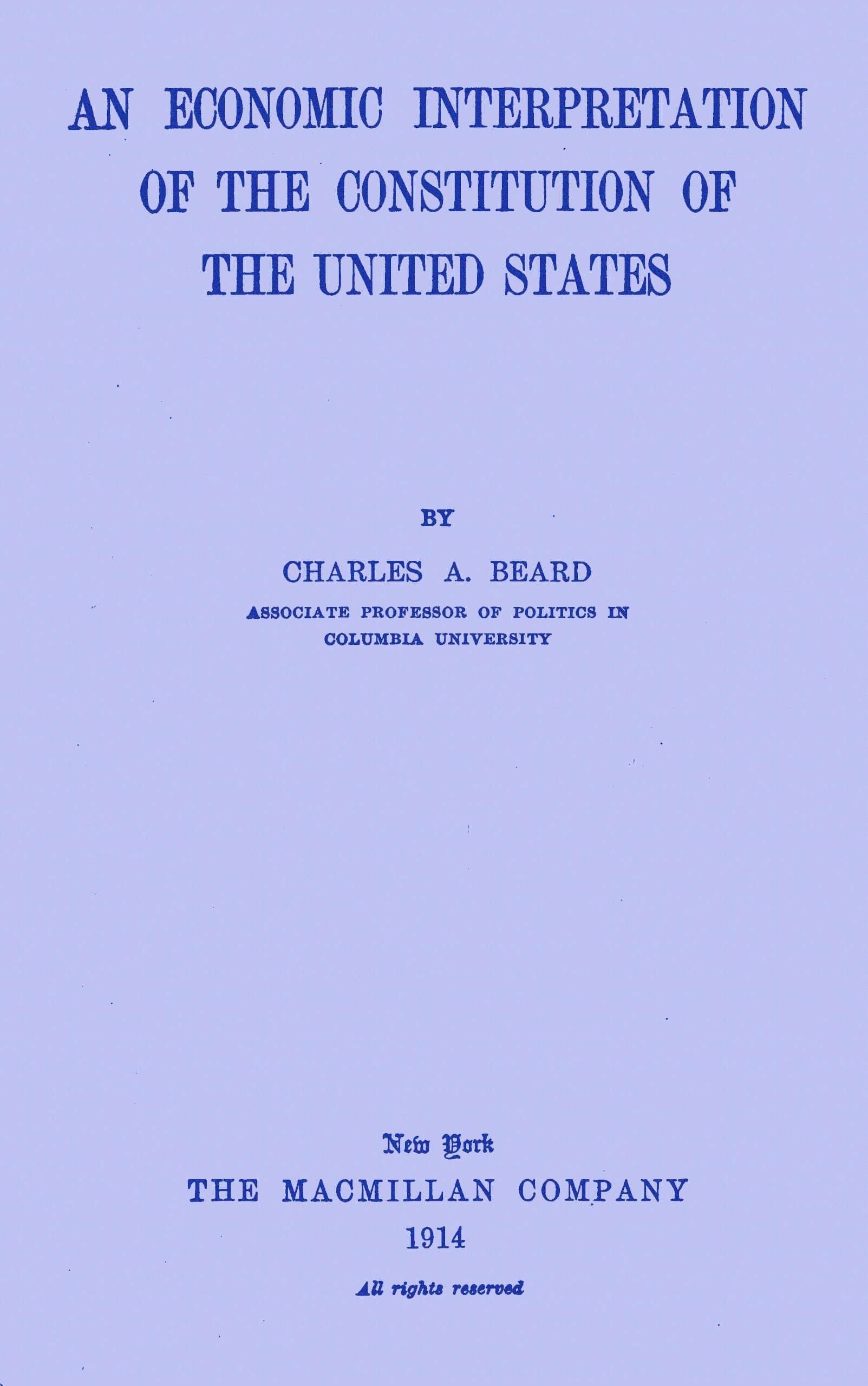
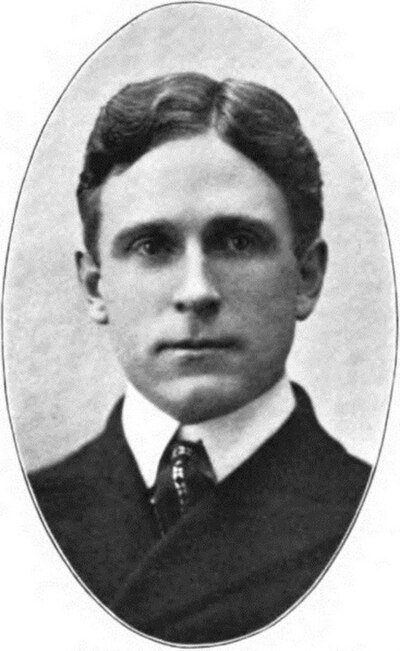
Charles A. Beard was an influential American historian and political scientist, renowned for his critical analysis of the American political system and his advocacy for a more progressive interpretation of history. Born in 1874, Beard's academic career flourished at Columbia University, where he became a prominent figure in the field of historical scholarship. His most notable works include 'An Economic Interpretation of the Constitution of the United States,' published in 1913, which argued that the framers of the Constitution were motivated by economic interests rather than purely ideological principles. This groundbreaking perspective challenged traditional narratives of American history and sparked significant debate among historians and political theorists alike. Beard's contributions extended beyond his writings; he was a key figure in the development of the New History movement, which emphasized the importance of social and economic factors in understanding historical events. His later works, such as 'The American Political Tradition' and 'The Idea of National Interest,' further explored the intersections of economics, politics, and society. Beard's legacy is marked by his insistence on viewing history through a critical lens, highlighting the complexities of power and class. His ideas continue to influence contemporary historical scholarship and political thought, making him a pivotal figure in the evolution of American historiography.
Famous Quotes
View all 16 quotes“When it is dark enough, you can see the stars.””
“All the lessons of history in four sentences:Whom the gods would destroy, they first make mad with power. The mills of God grind slowly, but they grind exceedingly small. The bee fertilizes the flower it robs. When it is dark enough, you can see the stars.””
“It is sobering to reflect that one of the best ways to get yourself a reputation as a dangerous citizen these days is to go about repeating the very phrases which our founding fathers used in the struggle for independence.””
Books from the author



Link to this page
Add a free, dofollow link to Lex on your blog, forum, syllabus, or reading list.

<a href="https://lex-books.com/author/charles-a-beard"><img src="https://lex-books.com/badges/read-on-lex.svg" alt="Charles A. Beard on Lex" width="160" height="40"></a>[](https://lex-books.com/author/charles-a-beard)[url=https://lex-books.com/author/charles-a-beard][img]https://lex-books.com/badges/read-on-lex.svg[/img][/url]Charles A. Beard on Lex: https://lex-books.com/author/charles-a-beard