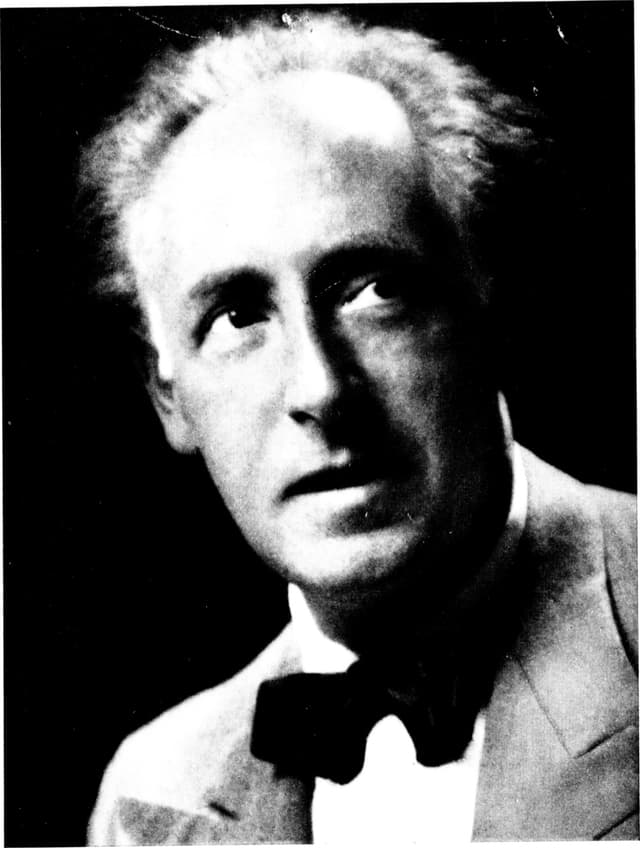
Fritz Kahn
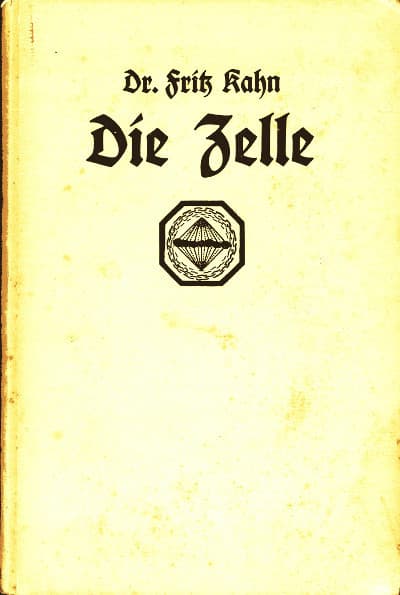
Fritz Kahn was a German-Jewish physician and a pioneering figure in the field of popular science. He gained prominence for his innovative approach to science communication, particularly through his striking illustrations that combined art and information. Kahn's work aimed to make complex scientific concepts accessible to the general public, and his infographics were among the first of their kind, blending visual storytelling with educational content. His notable publications include 'The Life of the Cell' and 'The Human Body,' which not only showcased his artistic talent but also reflected his deep understanding of biology and medicine. Kahn's legacy extends beyond his contributions to popular science; he played a significant role in the evolution of visual communication in education. His ability to distill intricate scientific ideas into engaging visuals influenced future generations of educators and communicators. Despite facing challenges during the rise of the Nazi regime, Kahn continued to work and publish until his later years, leaving behind a body of work that continues to inspire those in the fields of science and design. His innovative spirit and commitment to making science accessible have solidified his place in the history of science communication.
Books from the author








Link to this page
Add a free, dofollow link to Lex on your blog, forum, syllabus, or reading list.

<a href="https://lex-books.com/author/fritz-kahn"><img src="https://lex-books.com/badges/read-on-lex.svg" alt="Fritz Kahn on Lex" width="160" height="40"></a>[](https://lex-books.com/author/fritz-kahn)[url=https://lex-books.com/author/fritz-kahn][img]https://lex-books.com/badges/read-on-lex.svg[/img][/url]Fritz Kahn on Lex: https://lex-books.com/author/fritz-kahn