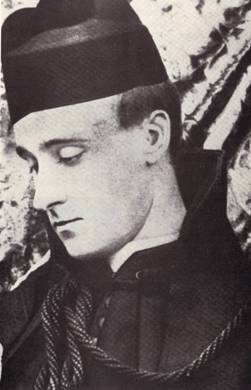
Frederick Rolfe
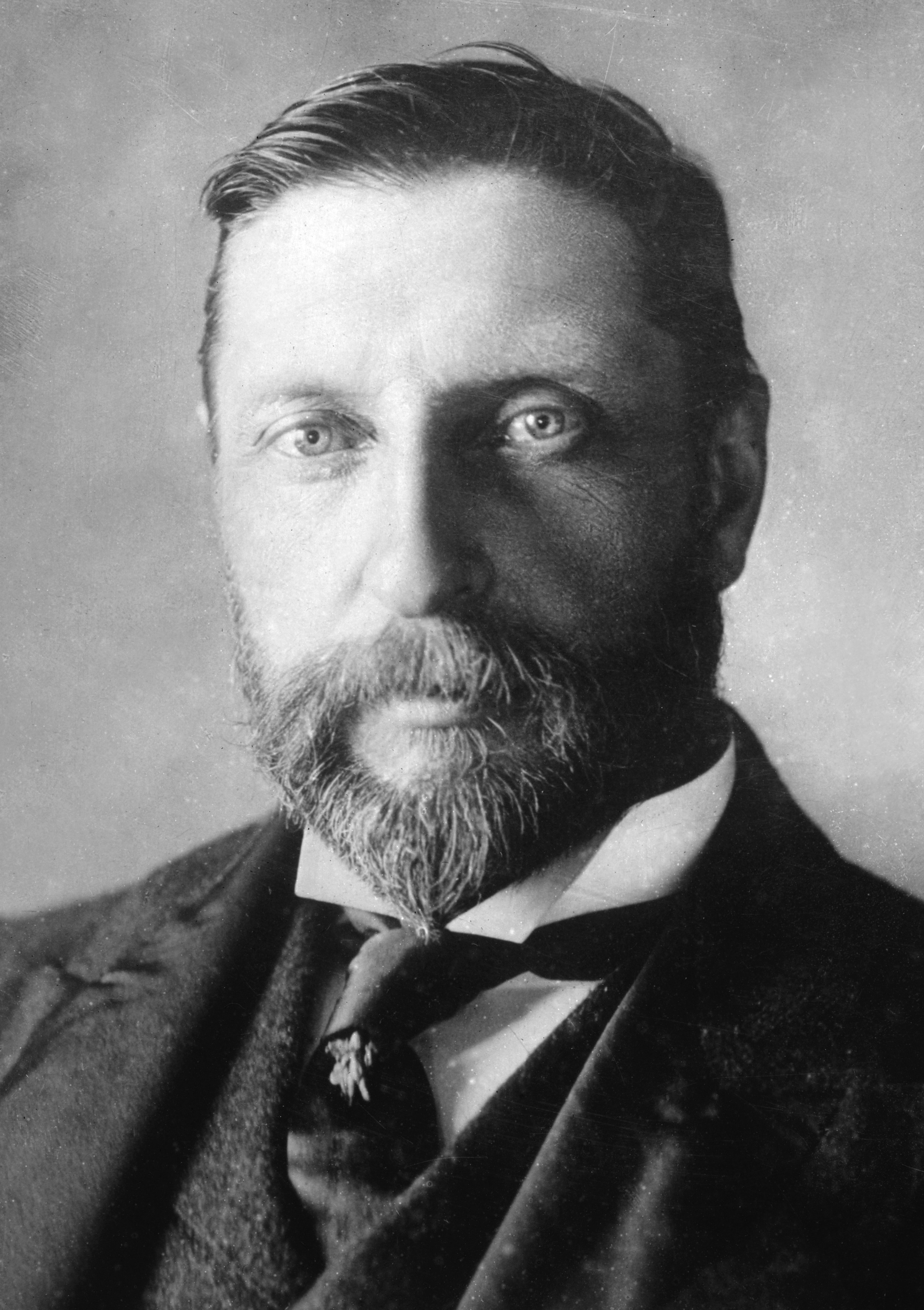
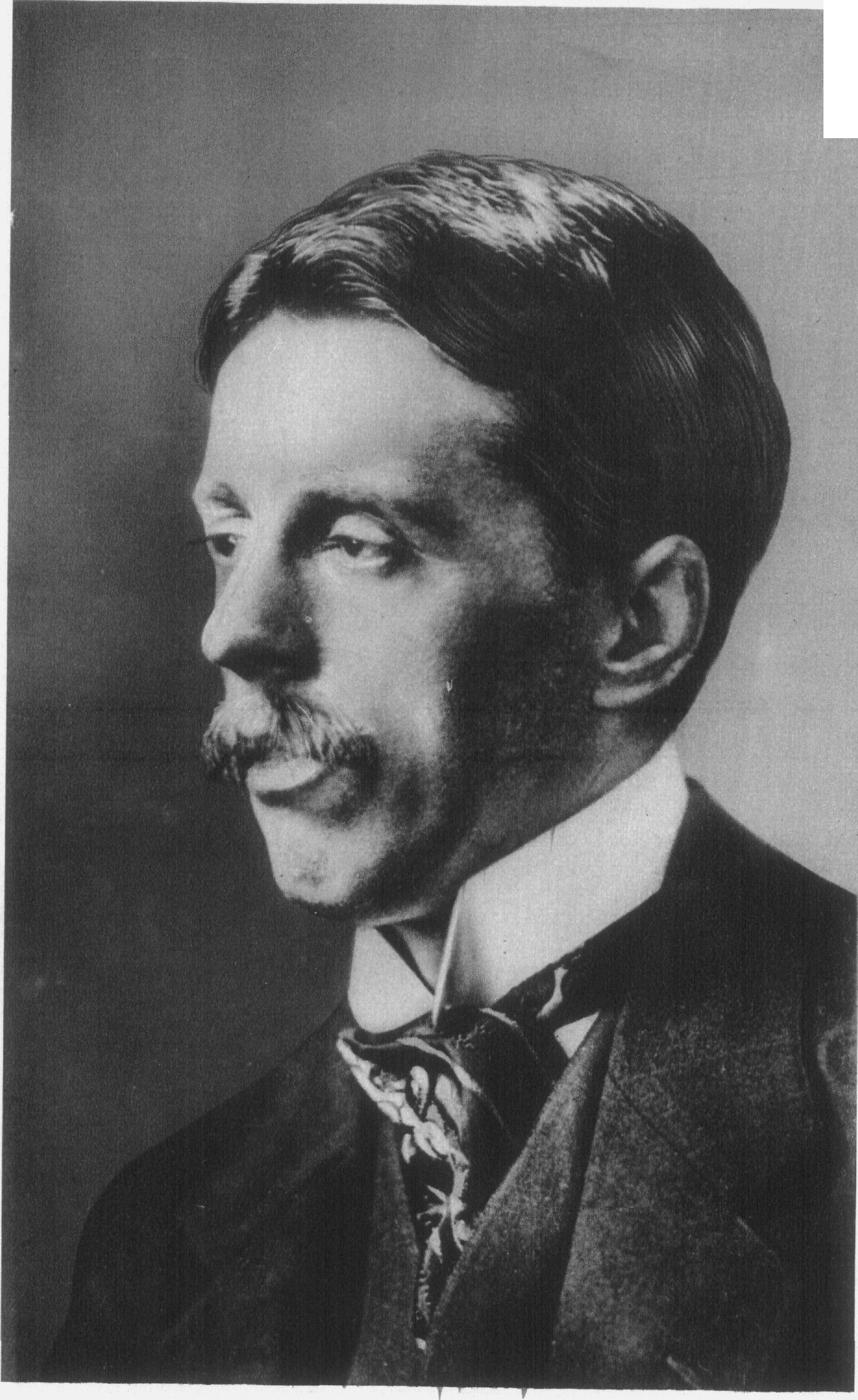
Frederick William Rolfe, known as Baron Corvo, was an English writer and artist whose eccentric personality and unique literary style left a lasting mark on early 20th-century literature. Born in 1860, Rolfe's life was characterized by a quest for artistic expression and a rejection of societal norms. He adopted the title of Baron Corvo, reflecting his flamboyant character and penchant for the dramatic. His most notable works include 'Hadrian the Seventh,' a semi-autobiographical novel that explores themes of religion, ambition, and the complexities of the human experience, and 'The Desire and Pursuit of the Whole,' which showcases his distinctive narrative voice and rich, poetic language. Rolfe's writings often blurred the lines between fiction and autobiography, revealing his deep introspection and vivid imagination. Despite his relatively small body of work, Rolfe's influence can be seen in the realm of modernist literature. His unconventional approach to storytelling and character development paved the way for future writers to explore more experimental forms of narrative. Rolfe's life was marked by personal struggles, including financial difficulties and social isolation, which further fueled his creative output. His legacy endures through the continued interest in his works, which challenge readers to confront the complexities of identity and artistic ambition.
Famous Quotes
View all 3 quotes“The student of history knows no more refreshing recreation than that of nailing liars, like vermin, to the wall.”
“Shall I tell you the difference between our Holy Father and ourselves? We see things from a single view-point. He sees things from several. We decide that the thing is as we see it. But He has seen it otherwise, and He presents it as a more or less complete coaction of its qualities. See this sapphire. Well, you see the face of it: underneath, if I take it off my finger, there are a number of facets to be seen and a number more which are hidden by the gold of the setting. Now my meaning is that our Holy Father has seen all the facets as well as the table of the sapphire, or the thing. Consequently He knows a great deal more about the sapphire, or the thing, than we do. You must have noted that in Him. You must have noted how that every now and then, when He deigns to explain, He makes mysteries appear most wonderfully lucid.”
“All His life long He had yearned to be giving. Now, under any circumstances, He always had something to give, ten words and a gesture; and people seemed so thankful for it. He was glad.”
Books from the author


Link to this page
Add a free, dofollow link to Lex on your blog, forum, syllabus, or reading list.

<a href="https://lex-books.com/author/frederick-rolfe"><img src="https://lex-books.com/badges/read-on-lex.svg" alt="Frederick Rolfe on Lex" width="160" height="40"></a>[](https://lex-books.com/author/frederick-rolfe)[url=https://lex-books.com/author/frederick-rolfe][img]https://lex-books.com/badges/read-on-lex.svg[/img][/url]Frederick Rolfe on Lex: https://lex-books.com/author/frederick-rolfe